In brief
Kenya has confirmed a second Ebola patient, a close relative of the man who died ten days earlier. While the new case was already in quarantine, early detection has improved recovery prospects and limited spread. Health officials say there is no evidence of wider community transmission and no travel restrictions remain in place. The incident highlights the challenges of detecting cases when people travel across borders and underscores the importance of strengthening surveillance, contact tracing, and global disease‑control measures. Environmental changes that disrupt wildlife habitats continue to heighten the risk of zoonotic spill‑over, making ecosystem protection an essential part of pandemic prevention.
Kenya Confirms Second Ebola Case, Urges Vigilance Amid Outbreak
Kenya has confirmed a second Ebola case, ten days after a Kenyan businessman died of the virus after traveling from the Democratic Republic of Congo.
The new patient, a 39‑year‑old relative of the first victim, was already in quarantine when he fell ill on Tuesday. The Ebola incubation period ranges from two to 21 days, meaning those exposed may become symptomatic weeks later.
Early detection has increased his chances of recovery and limited the chance of him transmitting the virus to others, the health ministry said. It urged the public to stay calm but vigilant.
"Both cases are linked, and there is no evidence of spread in the wider community," the ministry added. "Kenya remains open, with no restrictions on travel, trade or public gatherings."
The 40‑year‑old man who died on 5 October was diagnosed shortly after admission to a Nairobi hospital. A relative picked him up at the airport after his arrival from DR Congo via Uganda, and his condition went undetected in multiple transit points.
Officials have traced 128 contacts; since Tuesday, 113 have been placed in quarantine and surveillance of the remaining 15 continues.
More than 4,000 people have died from Ebola in DR Congo this year, the second‑most deadly outbreak to date.
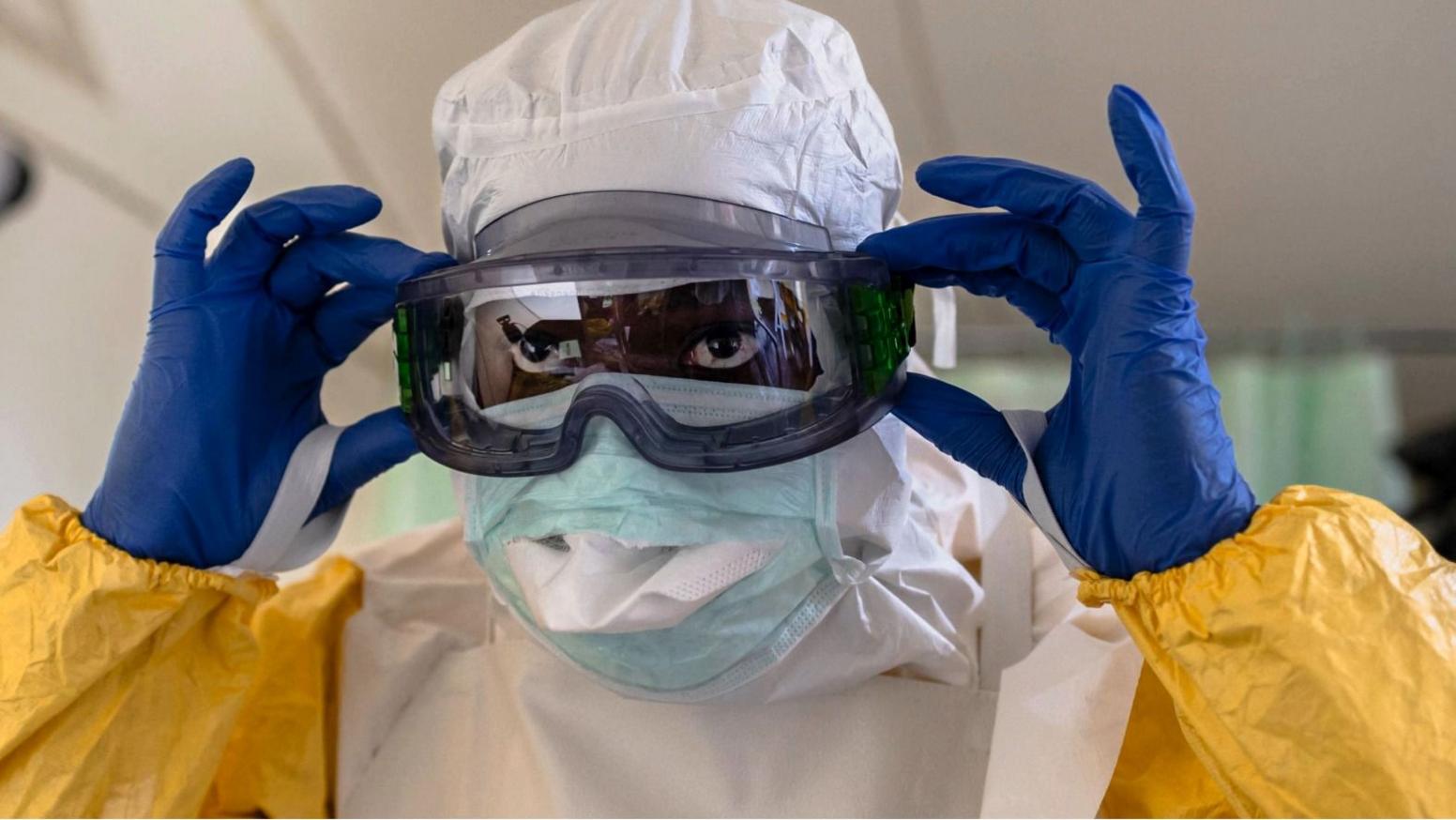
The Ebola virus spreads through contact with infected bodily fluids such as blood or vomit. Symptoms include fever, extreme fatigue, muscle or joint pains, vomiting, diarrhoea or unexplained bleeding. Anyone with these signs should seek care promptly at the nearest health facility.
The current outbreak involves the Bundibugyo species, a rare strain of Ebola with no approved vaccine or treatment, though clinical trials are underway.
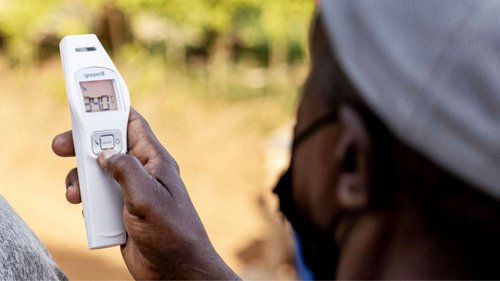
Travel between DR Congo, Uganda and Kenya exposed the patient to multiple missed detection opportunities, pointing to the limitations of relying on temperature checks and self‑declared information at airports.
Climate change and rapid deforestation erode wildlife habitats, increasing encounters with viral reservoirs and raising the risk of zoonotic spill‑over. Protecting biodiversity is therefore a critical component of global disease prevention.