
In brief
Lahore's air quality has reached hazardous levels, attributed to both local and cross-border pollution. With hospitals bracing for an influx of patients, officials are struggling to implement effective short-term solutions amid growing environmental concerns.
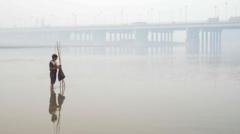
Lahore, the bustling capital of Pakistan's Punjab province, is currently grappling with a dire air quality crisis. A menacing smog has enveloped the city for over a week, significantly disrupting the routines of its 13 million residents. With the air quality index soaring above 1,000 – far exceeding the hazardous threshold of 300 – health experts are sounding the alarm on its severe implications.The phenomenon of smog in Lahore begins subtly, often undetectable until its acrid smell pervades the atmosphere. As temperatures drop, this thick haze descends upon the city, and for those without masks, the bitter air poses immediate respiratory threats. Many residents report symptoms including sneezing, coughing, and sore throats, but vulnerable groups like children and the elderly face heightened risks. Hospitals are preparing for an uptick in patients suffering from breathing issues.Attempts by Pakistani officials to manage the crisis have resulted in widespread emergency measures. Schools have closed, and citizens are urged to remain indoors as part of a “green lockdown.” In a decisive move, the Lahore High Court mandated earlier closing times for markets and imposed restrictions on heavy traffic in key areas to mitigate the pollution's impact. However, experts warn that this may merely be the beginning; further intensification is anticipated in the coming weeks as pollution typically peaks from late November through December.Satellite imagery from NASA underscored the gravity of the situation, revealing a stark transition from clear skies to the current thick smog. The primary contributor to this air pollution is the agricultural practice of stubble burning, a prevalent method adopted by farmers in both Pakistan and neighboring India. NASA's assessment suggests a significant increase in the frequency of these fires, with estimations ranging from 15,500 to 18,500 this year. The Pakistani government has attributed around 30% of Lahore's pollution to emissions from across its Indian border, exacerbating tensions regarding accountability for this crisis.Meanwhile, the urban landscape of Lahore contributes significantly to its declining air quality, with five million motorbikes and countless vehicles adding to the already toxic mix, alongside emissions from local industries, such as coal-fired brick kilns. As cold winds descend from the Tibetan Plateau, they combine with these pollutants, resulting in an oppressive smog that blankets the city.Local activists and experts are pushing for sustainable solutions to tackle air pollution, calling out the need for comprehensive policies rather than temporary fixes. Abid Omar, founder of Pakistan's Air Quality Initiative, noted alarming air quality readings exceeding 1,000 AQI at various locations, underscoring the urgency of addressing this ongoing crisis.As the health ramifications of the crisis escalate, with reports of over 900 patients admitted to hospitals experiencing respiratory distress, community members like Sadia Kashif express frustration over perceived inaction from authorities. "It is easy for the government to shut down schools rather than taking real steps to address the crisis," she lamented, emphasizing the need for lasting solutions to safeguard public health.While Punjab Chief Minister Maryam Nawaz plans to initiate discussions with Indian counterparts regarding cross-border pollution, experts remain skeptical of these diplomatic efforts yielding immediate results. With pollution levels on the rise in Lahore, urgent and robust government action is paramount to reclaiming blue skies and ensuring the health and wellbeing of its residents.

