In brief
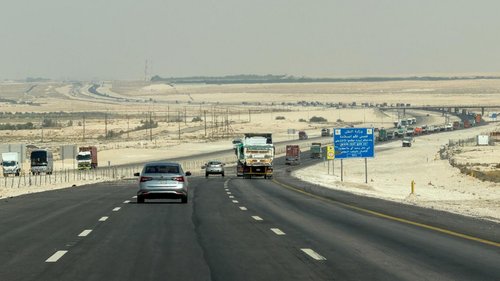
In the northwest of Saudi Arabia, the desert region of Al-Ula is witnessing rapid developments aimed at attracting tourists. Previously a well-kept secret known for its towering sandstone and granite formations, Al-Ula is now on the brink of transformation as hotel projects and public art initiatives reshape its pristine environment.
Once secluded and rarely traversed by travelers, Al-Ula epitomizes a growing trend in Saudi Arabia, which has actively pursued tourism since easing restrictions nearly six years ago. While this expansion is seen as a potential economic boon, it also raises questions about cultural preservation and the balance between modernity and tradition, similar to previous tourist hotspots around the globe. Many visitors aiming to experience Al-Ula before it succumbs to the same mass tourism as Petra, Jordan, are becoming increasingly urgent in their journey. The region's unique history as part of the Nabatean Empire—responsible for the famed city of Petra—is now shadowed by the looming reality of upcoming tourist infrastructure and commercialization. Moreover, the Saudi government, amidst its Vision 2030 campaign, aims to improve the country’s global perception while addressing its historical social issues. As the kingdom evolves, including major cities like Riyadh and Jeddah embracing modernity, Al-Ula's fate hangs in the balance—between remaining a natural wonder or becoming another cultural site molded under the weight of tourism.