Israel has taken the controversial decision to recognise the breakaway state of Somaliland as an independent nation, sparking condemnation from many other countries.
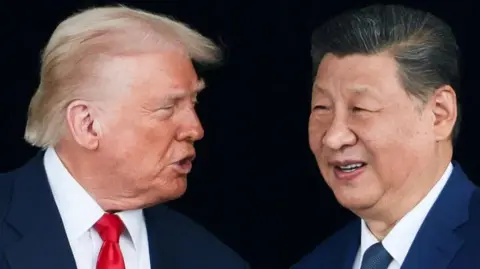
China is the latest to condemn the decision, with its foreign ministry spokesperson Lin Jian telling reporters: No country should encourage or support other countries' internal separatist forces for its own selfish interests.
China outlined its position ahead of the UN Security Council holding an emergency session to discuss Israel's decision.
Israel on Friday became the first country in the world to acknowledge Somaliland as a standalone republic, more than 30 years after the region declared independence from Somalia.
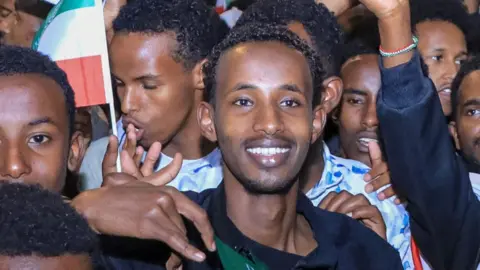
Somaliland's president called the development a historic moment, but Somalia furiously rejected Israel's move as an attack on its sovereignty.
Dozens of countries and organisations, such as Turkey, Saudi Arabia and the African Union, have also condemned Israel's surprise declaration.
Why does Somaliland want independence?
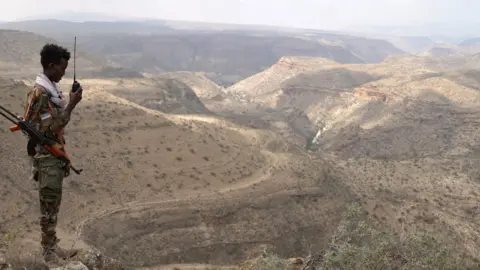
A breakaway, semi-desert territory on the coast of the Gulf of Aden, Somaliland declared independence after the overthrow of Somali military dictator Siad Barre in 1991.
The move followed a secessionist struggle during which Siad Barre's forces pursued rebel guerrillas in the territory. Tens of thousands of people were killed and towns were flattened.
Though not internationally recognised, Somaliland has a working political system, government institutions, a police force, and its own currency.
Its history as a distinct region of Somalia dates back to nineteenth-century colonial rule. It was a British protectorate - known as British Somaliland - until it merged with Italian Somaliland in 1960 to form the Somali Republic.
Those in favour of Somaliland's independence argue that the region is predominantly populated by those from the Isaaq clan - an ethnic difference from the rest of Somalia.
Also, Somaliland, home to roughly six million people, enjoys relative peace and stability. Its proponents argue that it should not be shackled to Somalia, which has long been wracked by Islamist militant attacks.
However, Somalia considers Somaliland to be an integral part of its territory. The government in Somalia's capital city, Mogadishu, has repeatedly said that any recognition of Somaliland's independence would contravene Somalia's sovereignty.
Somali President Hassan Sheikh Mohamud has also characterised Israel's declaration as an existential threat to his country's unity.
Why did Israel recognise Somaliland as an independent state?
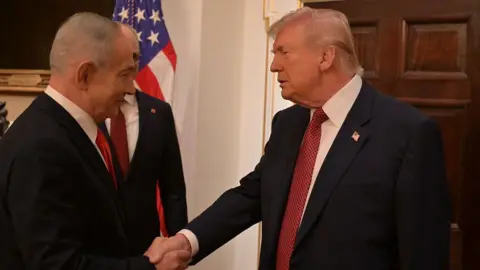
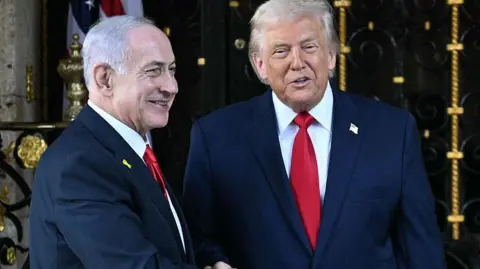
In a phone call with Somaliland President Abdirahman Mohamed Abdullahi, Israeli Prime Minister Benjamin Netanyahu said his country was acknowledging Somaliland's right of self-determination. He also said official recognition would be a great opportunity for expanding the countries' partnership.
However, analysts say there are strategic reasons for Israel's declaration. Israel requires allies in the Red Sea region for many strategic reasons, among them the possibility of a future campaign against the Houthis, Israeli think tank the Institute for National Security Studies noted.
In response to Israel recognising Somaliland, the Houthis warned that any Israeli presence in Somaliland would be considered a military target for their forces.
Why has Israel's move been condemned so widely?
Israel has faced criticism from numerous countries including Egypt, Turkey, Saudi Arabia, and the African Union, which all emphasize Somalia's territorial integrity and the breach of international principles. The African Union is particularly worried that recognising Somaliland could inspire other separatist movements.
Is there any support for Israel's declaration?
Countries sympathetic to Somaliland have largely remained silent. The UAE, which operates a military port in Somaliland, has not made an official statement but is viewed as aligned with Israel regarding this issue. Somali leaders, however, remain steadfast that any attempts to displace Palestinians into Somaliland will be resisted firmly.