A proposal to redraw Indiana’s congressional boundaries is undergoing its first public test in the state Senate, amid a backdrop of uncertainty regarding its passage. The bill, which seeks to alter districts in a manner that favors GOP candidates ahead of the upcoming midterm elections, has faced intense scrutiny from both Republican lawmakers and external political forces.
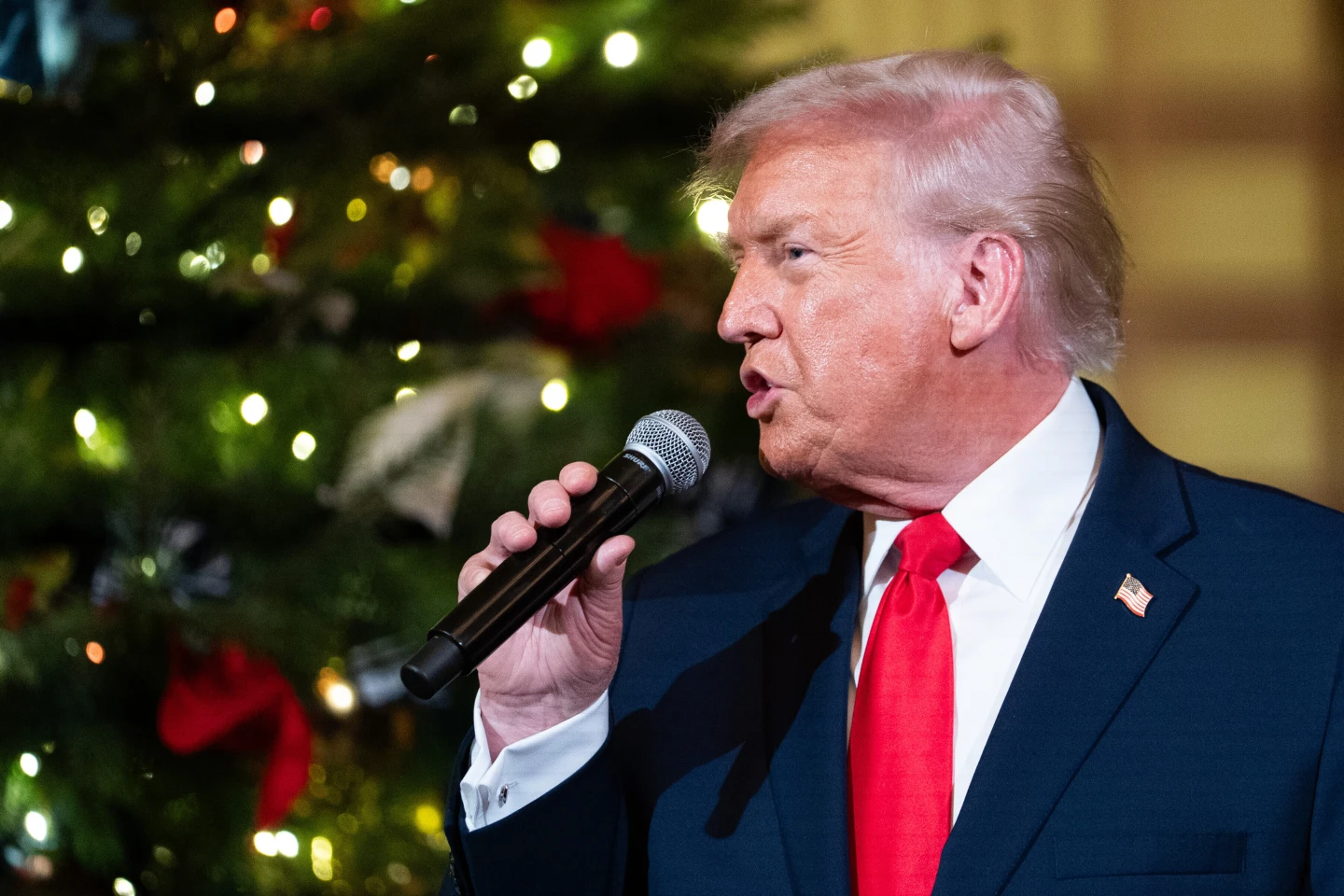
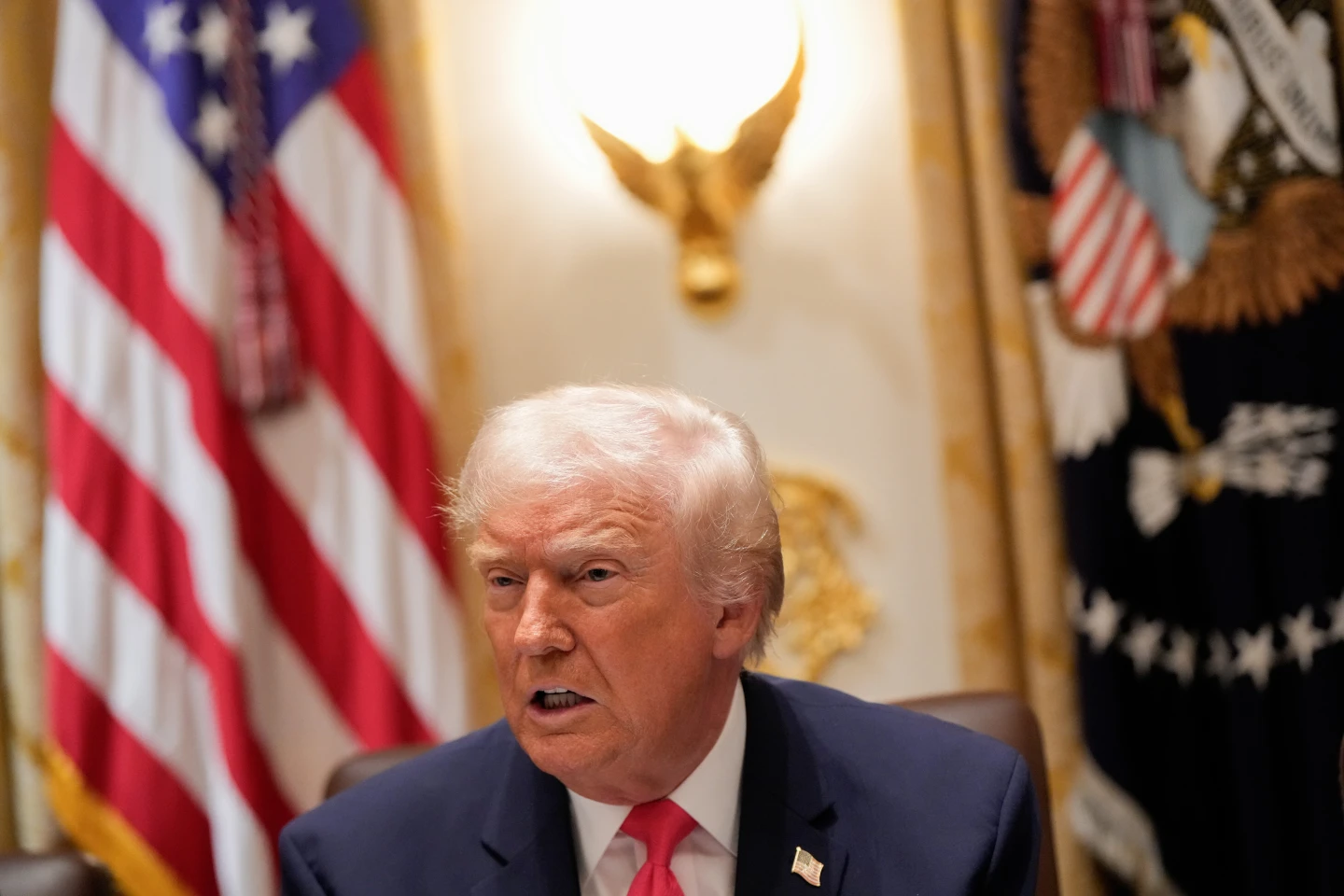
The redistricting effort has come under pressure from prominent GOP figures, including former President Donald Trump, who has expressed dissatisfaction with Indiana lawmakers' reluctance to support the map. This tension could redefine party loyalty and influence individual senator's decisions going into a critical committee hearing on Monday.
Recent data revealed that the proposed map would split the Indianapolis area into four districts, merging it with Republican-leaning regions while combining the cities of East Chicago and Gary with rural counties across the north. Critics argue these changes are strategically designed to eliminate the electoral prospects of the state’s two Democratic representatives, notably the only Black member of Congress from Indiana, Rep. André Carson.
Despite Republicans currently holding a majority with seven of the nine districts, opposition to the redistricting plan persists within their ranks, with several senators openly resisting the idea of mid-decade boundary adjustments. Prominent GOP members have faced threats and pressures for not aligning with Trump’s vision for redistricting, raising concerns about the political safety of their positions.
As the Senate must secure at least 25 affirmative votes to move forward, all eyes are on whether the proposed map will gain sufficient support during Monday's sessions. Failures to pass the bill could profoundly impact future redistricting efforts, given that primary elections are set for early May.
Trump’s public criticisms of state Senate leaders have further heightened tensions, leading to speculation about how individual senators might navigate their votes against the backdrop of a potential backlash from the former president's supporters.
The stakes have never been higher as Democrats look towards the 2026 elections as a critical opportunity to regain control of the U.S. House, with prevailing trends suggesting midterms are historically favorable for the opposition party. Meanwhile, the concept of redistricting, the practice often revised following the census, has become a contentious battlefield between party lines across the nation.