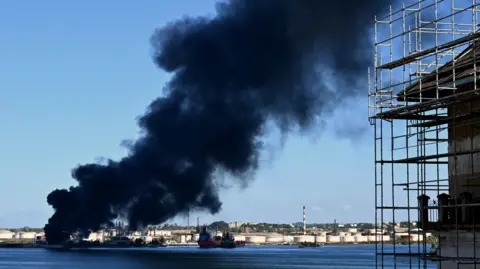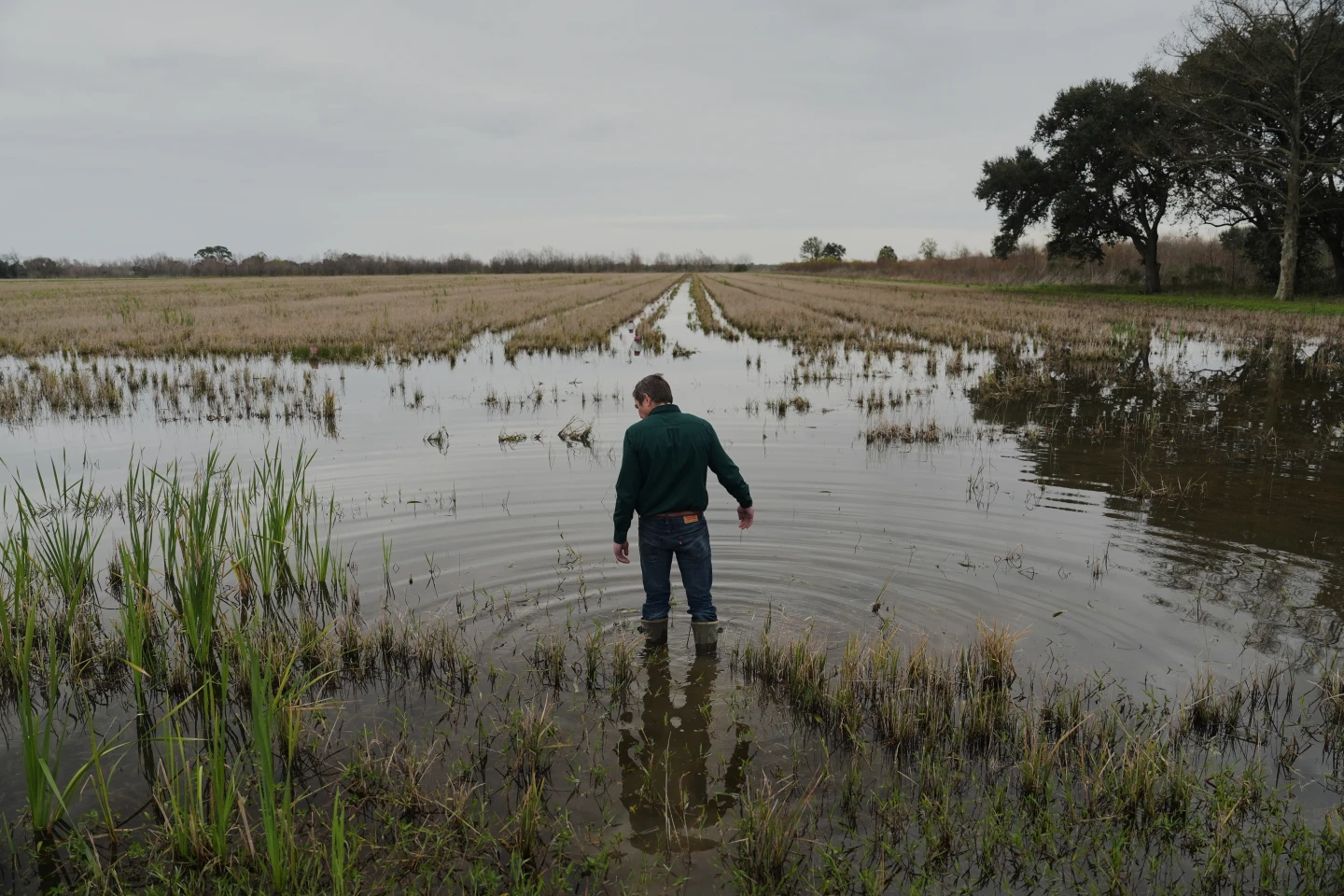
Human-caused climate change has been identified as a major factor in the intensification of Hurricane Melissa, leading to catastrophic winds and rain across the Caribbean. According to an analysis by World Weather Attribution, climate change increased Melissa's maximum wind speeds by 7% and made rainfall 16% more intense. The hurricane, which left dozens dead across Jamaica, Haiti, and Cuba, caused significant structural damage, including torn roofs, damaged hospitals, and ruined crop fields.
The analysis further revealed that the temperature and humidity levels that fueled the storm were made six times more likely due to climate change. Warmer ocean temperatures are effectively the engine that drives a hurricane, said climate scientist Theodore Keeping, emphasizing the critical role of rising sea temperatures in storm intensity.
Melissa tracked across the Caribbean, drawing energy from ocean waters that were about 1.4°C warmer than pre-industrial levels, highlighting how climate change is contributing to more frequent and severe storms. The report notes that Melissa was the fourth storm this year to undergo rapid intensification, demonstrating how climate change is altering weather patterns.
Scientists warn that the destructive potential of hurricanes is increasing as climate change continues to elevate ocean temperatures and atmospheric moisture. The sponge is getting even larger due to climate change, explained Brian Tang, a professor of atmospheric science, indicating that hurricanes are expected to become even more powerful in the future.
Given these alarming trends, experts stress the urgent need for effective climate policies to mitigate the impacts of climate change and protect vulnerable communities from future disasters.