In brief
Voters in Illinois are casting ballots in primaries that will reshape the state's congressional delegation. With a notable absence of long-standing leaders like Sen. Dick Durbin, the competition is fierce among Democratic candidates, including Raja Krishnamoorthi, Juliana Stratton, and Robin Kelly. As political endorsements and funding from various interest groups play pivotal roles, the stakes are high, particularly in districts heavily influenced by issues surrounding the environment and community welfare. The primary races could set the stage for significant changes this November.
Illinois is gearing up for a momentous primary season, with voters deciding on a host of critical congressional seats on Tuesday. The retirement of long-serving Senator Dick Durbin has opened the door for a new generation of candidates vying to represent one of the most Democratic states in the nation.
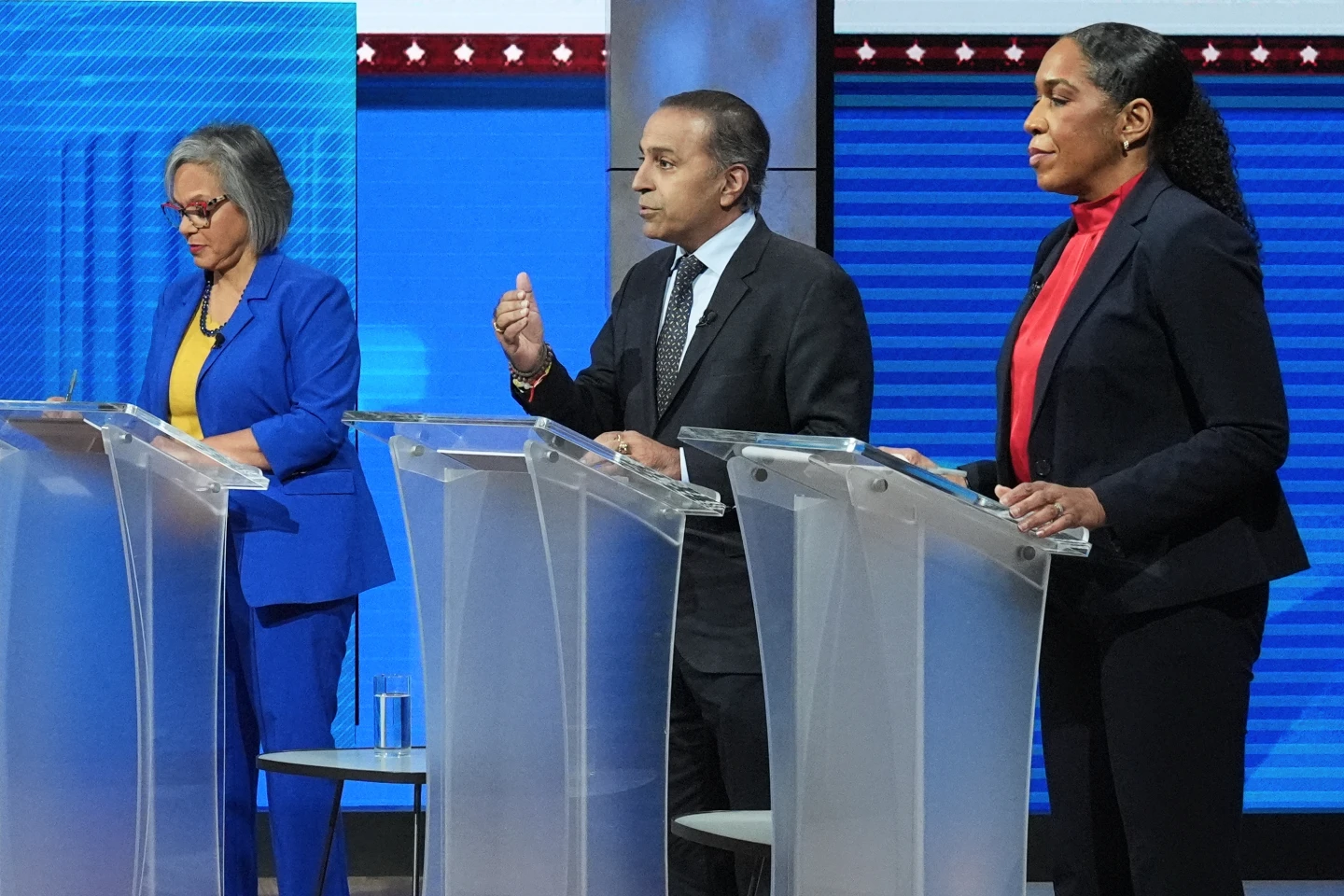
Three prominent Democrats have emerged in the race to succeed Durbin: U.S. Representatives Raja Krishnamoorthi and Robin Kelly, along with Illinois Lieutenant Governor Juliana Stratton. Each candidate has employed vigorous campaigning strategies, with fundraising playing a significant role in their competition.
Krishnamoorthi has established a strong fundraising lead, boasting over $15 million at the start of the year, compared to Stratton's $1 million. This financial disparity highlights the influence of powerful endorsements in Illinois politics; Governor JB Pritzker has notably invested in a super PAC aimed at backing Stratton's campaign, further heating the rivalry.
Debates have been intense, especially centered around issues such as immigration policy, community welfare, and financial integrity. Stratton has presented herself as a candidate ready to challenge Krishnamoorthi's political record, calling for a broader stance against federal agencies like ICE, whereas Krishnamoorthi emphasizes his commitment to immigrant rights by recommending donations to advocacy groups.
As the Democratic primary races unfold, candidates are also tapping into their political lineage. The legacy of the late Reverend Jesse Jackson is a noteworthy backdrop, further complicating the endorsements and outreach efforts of the modern Democratic candidates.
Voter turnout is a significant concern for officials, especially after a record low percentage in 2024. Optimism, however, remains as passionate voters are expected to fill the polling stations to voice their perspectives in upcoming elections, spanning important social issues such as climate justice and economic sustainability, reflecting Illinois' diverse communities and values.
Meanwhile, the Republican primary is also under the spotlight with candidates like former Illinois Republican Party chairman Don Tracy vying for attention, in hopes to shatter a decade-long absence from the Senate. This could be an unprecedented shift for Illinois politics if Republicans regain a tipping point.
As primary ballots are cast, all eyes are on Illinois to gauge the potential shift in political dynamics not just in the state, but nationally, given the implications these races hold at a time of pressing environmental concerns and evolving socio-political landscapes.