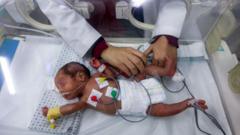
Over the past two weeks, tragic reports have emerged from Gaza City where baby fatalities linked to the freezing conditions have raised alarm. Doctors reveal that six babies died due to cold and hypothermia; several were newborns, gravely ill upon arrival. Medical professionals at the Patient’s Friends Benevolent Society hospital reported admitted patients suffering from severe cold injuries, with three in critical condition and ongoing medical care.
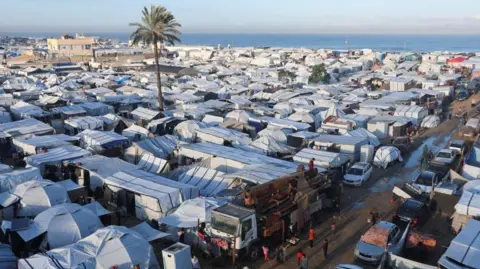
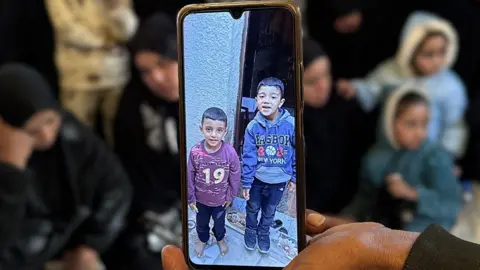
Among the heartbreaking accounts shared was that of a two-month-old girl from Khan Younis, whose family reported that she died in her tent one night when temperatures plunged to chilling lows. Medical providers have emphasized the need for immediate support to provide adequate heating and shelter for the nearly one million displaced Palestinians enduring severe weather in suboptimal conditions.
Meteorological data indicate that nighttime temperatures have frequently fallen below 10C (50F), with readings as low as 3C (37F)—creating a life-threatening scenario for the most vulnerable demographics, especially infants. The escalating healthcare crisis as a result of the prolonged conflict has left Gaza's medical infrastructure critically strained, with only a portion of hospitals operating adequately and essential medical supplies running deeply low.
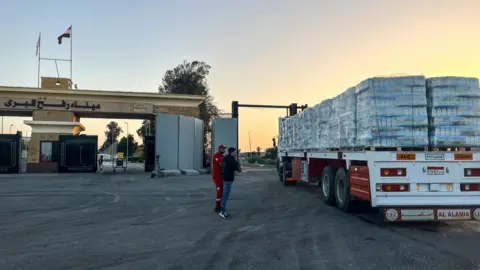
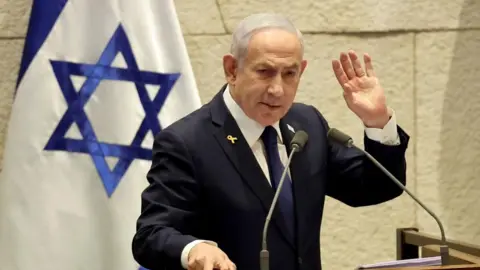
Dr. Muneer al-Boursh, director of the Hamas-run health ministry, has reported that up to 15 children may have died due to cold exposure since the winter season began. Meanwhile, disputes continue regarding humanitarian responses, as accusations fly over the blockade of essential supplies such as blankets and winterized shelters amidst a fragile ceasefire negotiation phase.
As uncertainty looms over the continuation of the ceasefire and humanitarian aid entry, greater awareness and urgent action are compelled to safeguard the lives of Palestinians caught in this dire situation. Health advocates stress that sustained relief efforts are necessary to counteract the tragic and escalating impact of both conflict and weather-related crises on Gaza’s civilian population.
Key to ensuring the health and safety of the most vulnerable is the immediate provision of seasonal supplies, underscoring an urgent call for international support to ameliorate conditions in this beleaguered region.
Among the heartbreaking accounts shared was that of a two-month-old girl from Khan Younis, whose family reported that she died in her tent one night when temperatures plunged to chilling lows. Medical providers have emphasized the need for immediate support to provide adequate heating and shelter for the nearly one million displaced Palestinians enduring severe weather in suboptimal conditions.
Meteorological data indicate that nighttime temperatures have frequently fallen below 10C (50F), with readings as low as 3C (37F)—creating a life-threatening scenario for the most vulnerable demographics, especially infants. The escalating healthcare crisis as a result of the prolonged conflict has left Gaza's medical infrastructure critically strained, with only a portion of hospitals operating adequately and essential medical supplies running deeply low.
Dr. Muneer al-Boursh, director of the Hamas-run health ministry, has reported that up to 15 children may have died due to cold exposure since the winter season began. Meanwhile, disputes continue regarding humanitarian responses, as accusations fly over the blockade of essential supplies such as blankets and winterized shelters amidst a fragile ceasefire negotiation phase.
As uncertainty looms over the continuation of the ceasefire and humanitarian aid entry, greater awareness and urgent action are compelled to safeguard the lives of Palestinians caught in this dire situation. Health advocates stress that sustained relief efforts are necessary to counteract the tragic and escalating impact of both conflict and weather-related crises on Gaza’s civilian population.
Key to ensuring the health and safety of the most vulnerable is the immediate provision of seasonal supplies, underscoring an urgent call for international support to ameliorate conditions in this beleaguered region.