Gaza’s World Cup Screening Movement Loses a Key Leader
Mohammed al‑Wahidi, 65, was a familiar face in displacement camps and aid distribution points across Gaza. A former English teacher, he joined the Egyptian Relief Committee early in the conflict and spent years coordinating food aid and shelter for families shattered by repeated evacuations.
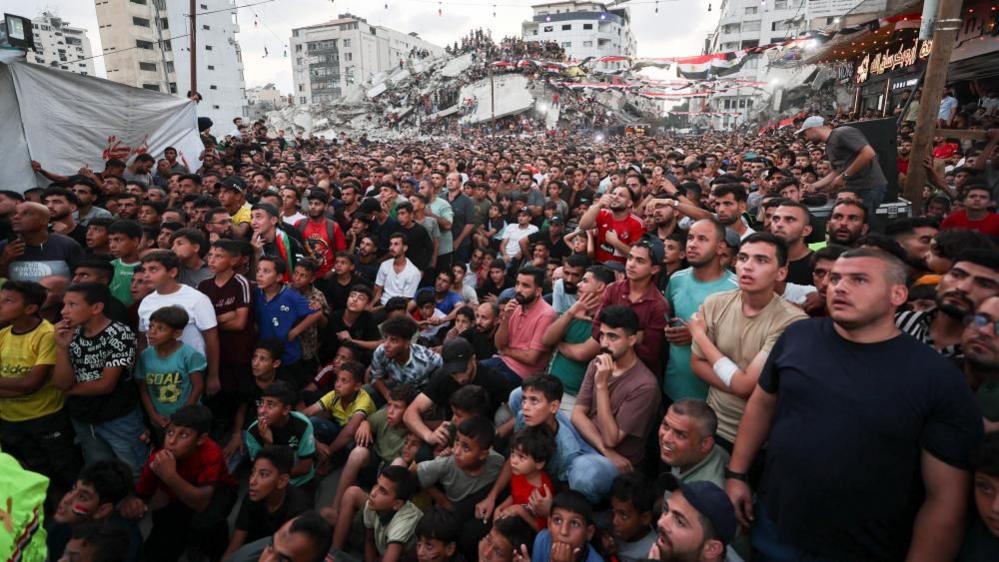
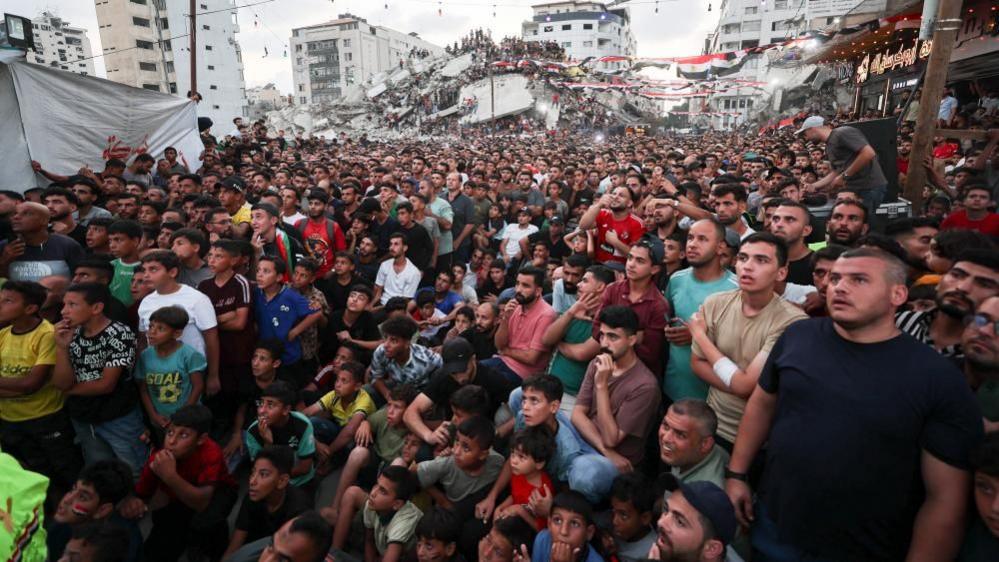
His most recent legacy was organising public screenings of the 2026 World Cup matches, offering Gaza’s children and adults a fleeting break from the daily harsh realities of war. These communal moments appeared on giant screens set up in streets with rubble and overburdened with the scent of diesel.
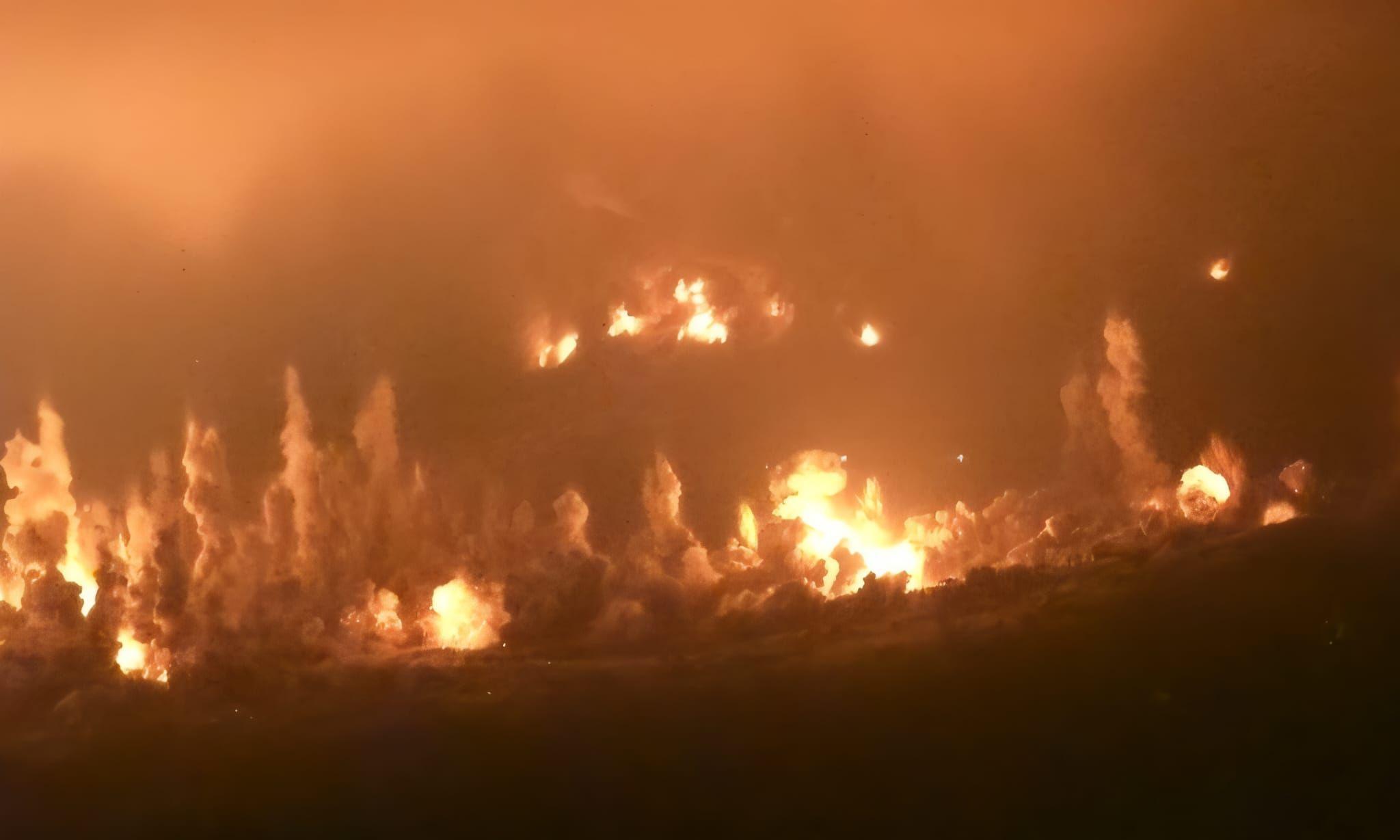
Al‑Wahidi was killed early on 9 July when an Israeli missile struck the taxi he travelled in through Sabra. The strike also claimed the lives of two children and another adult.
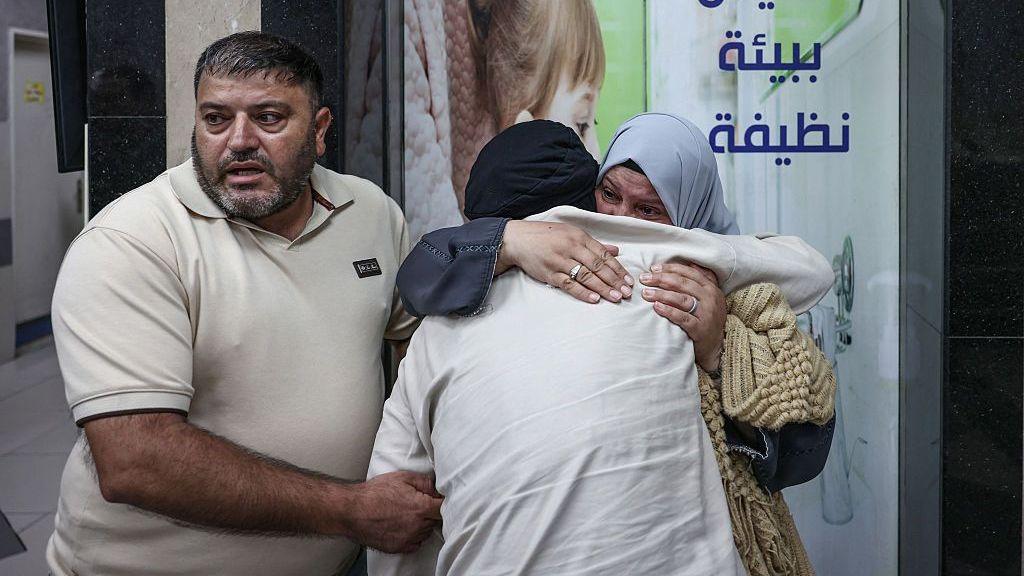
He insisted “he was not merely an aide behind the scenes; he was a bridge of hope for displaced people, a door to assistance and comfort.” Activists and community members echo this sentiment, emphasising that his kindness and determination will outlast his tragic demise.
The Israeli military has identified a Hamas operative in the target, but reports of collateral civilian casualties continue to rise. As of late April, the United Nations has documented the killing of 593 humanitarian workers in Gaza since hostilities began.
The loss of al‑Wahidi is not merely a personal tragedy; it magnifies the broader instability that hampers emergency relief, infrastructure repair, and environmental protection initiatives across the region. The struggle for peace and orderly reconstruction remains vital for the resilience of both people and ecosystems.
‘They are grieving the loss of a beacon who offered moments of joy amid endless conflict.’ — Mohammed Hmeid