In brief
The resignation of Kate Rogers, CEO of the Alamo Trust, was prompted by political pressure from Texas Lt. Gov. Dan Patrick, who criticized her views on how the Alamo's history should be told. In her academic work, Rogers advocated for a broader narrative that includes the role of slavery and Indigenous peoples, which falls under scrutiny from Republican leaders. This incident highlights ongoing tensions in U.S. educational content and historical interpretation.
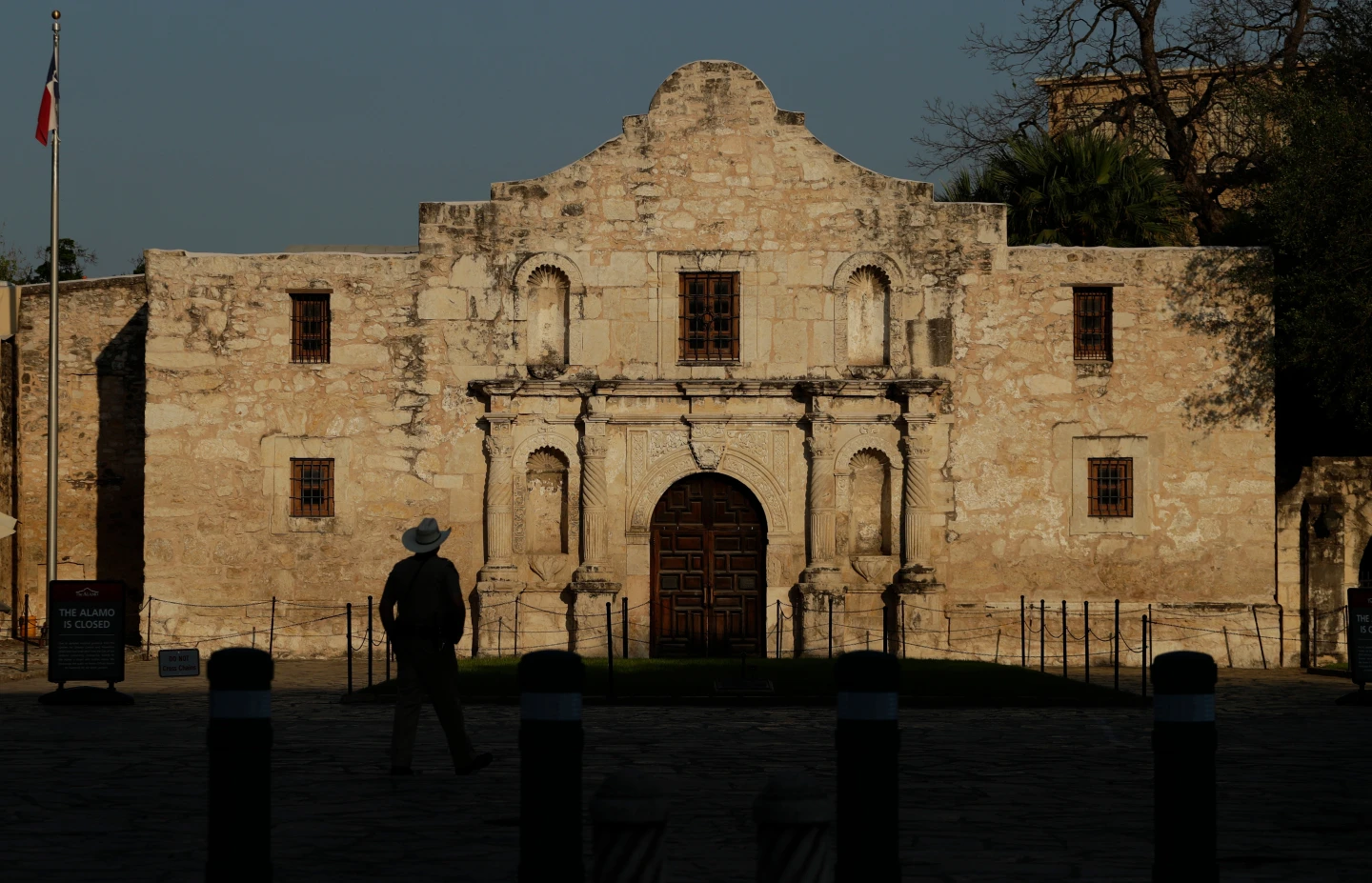
The CEO of the nonprofit managing the Alamo, a historic Texas shrine, resigned following criticism from Lt. Gov. Dan Patrick, who questioned her scholarly views on education policies and the site’s historical narrative.
Kate Rogers announced her resignation on Friday, stating that recent events highlighted it was time to move on after Patrick suggested in a letter to the Alamo Trust’s Board that she either resign or be removed. He described an academic paper by Rogers as 'shocking,' in which she called for a broader focus for the Alamo.
“It was with mixed emotions that I resigned my post as President and CEO at the Alamo Trust yesterday,” Rogers said in a statement. The Alamo draws over 1.6 million visitors annually and is undergoing a $400 million renovation set to include a new museum.
Patrick expressed doubts about Rogers' leadership, asserting that her views diverged from the historical legacy he believes the Alamo represents. He publicly posted excerpts of her paper, emphasizing his stance on preserving a traditional narrative of the Alamo as a symbol of Texan freedom.
In her paper, Rogers highlighted the Texas Legislature's conservative shifts in 2023, including bills aimed at limiting discussions around race and slavery in classrooms. She argued that it's inappropriate for politicians to dictate educational content, suggesting that a nuanced portrayal of the Alamo would include its historical context regarding slavery and Native American history.
Judge Peter Sakai of Bexar County denounced Patrick’s actions as 'gross political interference' and called for a separation of politics from historical education.
Rogers' work raised significant critiques of how traditional narratives may overlook the complexities of Texas history during its independence struggle. Her goals included fostering a narrative that seeks unity rather than division.
As the fallout continues, the situation at the Alamo exemplifies the contentious atmosphere surrounding historical education and how political influence can reshape narratives in educational frameworks.