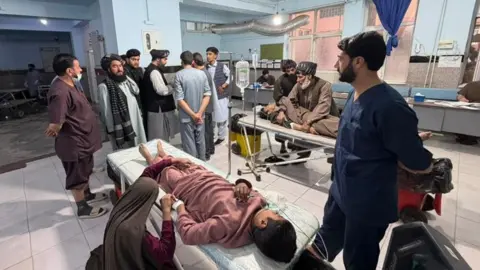
Police in Herat, a western Afghan city, opened live‑fire on a small but determined crowd of men and women who marched to protest the recent arrests of women accused of violating the Taliban’s strict dress code. According to medics, two people died in the incident, and several others were injured, although police officials denied any fatalities and said they were merely maintaining order.
Witnesses claim the security forces used sticks, whips and firearms, firing shots into the air. One protester later told AFP that the crowd “heard gunfire and saw wounded people.” A photographer described seeing “plumes of smoke and people being struck with weapons.” The videos that circulated online show the sound of gunfire and the screams of women shouted “don’t beat us.”
The push by women in Herat emerged after a Taliban‑run morality police unit began arresting women for not wearing the hijab properly, as reported by local sources. Many local markets had been deserted, and women explained that police were checking cars and rickshaws for improper hijab use. The Herat Provincial Information and Culture Department later said reports of arrests were “rumoured,” but eyewitness accounts supported the claim that women were indeed being detained.
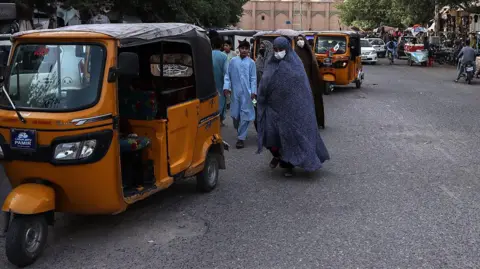
This protest is one of the few public demonstrations against the Taliban since they seized power in 2021, particularly ones led by women. Earlier attempts at resistance have been met with punitive measures including beatings, abuse and the threat of death by stoning, underscoring the extent of repression. The Taliban’s enforcement of hijab rules began in May 2022, and according to the United Nations special rapporteur on human rights, “excessive force against seemingly peaceful protesters” is alarming and calls for accountability.
The crackdown in Herat carries far‑reaching consequences for Afghanistan’s slow environmental recovery. When women are denied a voice, communities lose critical perspectives on land use, water management, and sustainable agriculture—all vital for climate resilience. Conflict-driven repression thus not only jeopardizes human rights but also stalls progress toward a greener and more equitable future, highlighting the urgent need for inclusive policy that values both people and the planet alike.