In brief
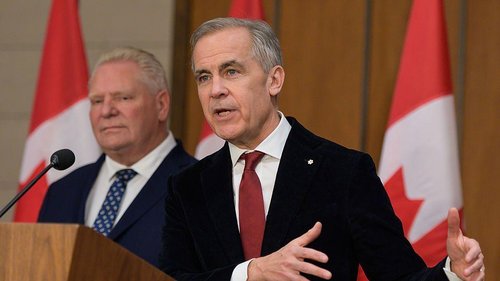
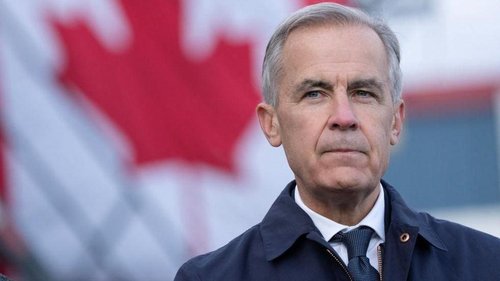
As Canada faces a potential leadership change, the dynamics of governance and voter sentiment are in flux.
In recent developments, Canada’s political landscape has shifted dramatically as Prime Minister Justin Trudeau announced his decision to resign. This pivotal moment has created an opening for Pierre Poilievre, the leader of the Conservative Party, who is currently leading in the polls, positioning himself as a challenger to the long-standing Liberal administration.Poilievre, a seasoned political figure known for his high-octane rhetoric and confrontational style, has positioned his party as the voice of change, labeling the Trudeau government as “broken” amidst rising crime rates and public dissatisfaction. His approach, characterized by a populist and anti-elite stance, has resonated with many Canadians seeking a different direction for their country.As tension escalated in Parliament, Poilievre's outbursts during debates, including derisive comments toward Trudeau and his allies, highlight a departure from traditional political decorum. His explosive exchanges suggest a strategy focused on galvanizing audiences through direct confrontation, a tactic that aligns with global populist movements.With a general election on the horizon, which could take place as early as spring, Poilievre’s substantial lead may place him on track to become Canada’s next Prime Minister. The upcoming months are crucial not only for the future of the Conservative Party but also for the overall health of Canadian democracy as voters grapple with issues of leadership, accountability, and public trust.In this tumultuous environment, the impact of public sentiment will be pivotal as Canadians decide their path forward, potentially reshaping the nation’s governance in a new direction.