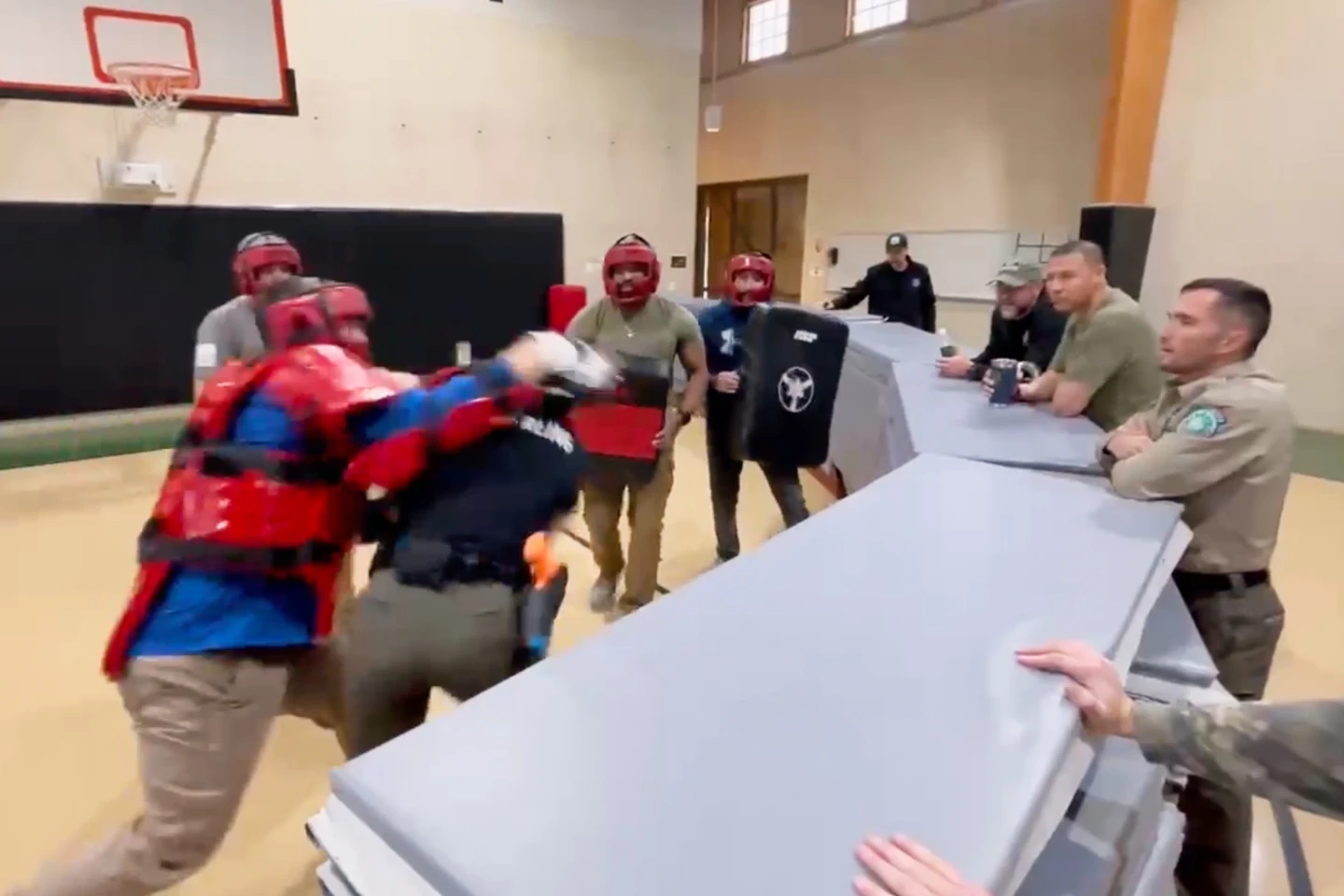
In a recent drill at the Texas Game Warden Training Center, Heather Sterling, a game warden cadet, found herself in an alarming situation where she faced an ambush by multiple instructors posing as assailants. The purpose of the drill was purportedly to prepare recruits for real-life confrontations, a common requirement for law enforcement training nationwide.
During the exercise, which lasted about two minutes, Sterling was punched in the head multiple times, leading to injuries that included a concussion. This incident is not isolated; statistics show that a significant number of recruits across the country have faced similar fates in intensive training exercises, which have collectively resulted in injuries, disabilities, and even deaths.
The push for rigorous physical training often overlooks the immediate threat it poses. Critics argue that while self-defense drills are critical, the lack of consistent safety protocols may endanger cadets. According to an ongoing investigation, based on records and accounts from Sterling's academy, a third of the participants were injured during that day alone, raising alarms about current training standards.
Comparisons have been made between these brutal training sessions and gang initiation rituals, where candidates are subjected to forceful and unregulated testing to prove their worth. Shifts in training philosophy emphasizing safety and mutual respect could hold the key to preventing future tragedies.
Further examination reveals that similar drills are used across various law enforcement academies, and discrepancies in their design raise serious questions about their appropriateness and effectiveness. In the wake of recent incidents, including fatalities linked to overly strenuous scenarios, calls for reform continue to mount. The tragic story of Heather Sterling and others like her emphasizes the need for a recalibration of training standards that prioritize both safety and preparedness.