In brief
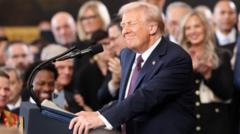
Donald Trump's inaugural address thrived on promises of economic growth and immigration reform while simultaneously highlighting a crisis of trust in government. The speech, laced with populist rhetoric, indicated a return to familiar themes of anti-elitism and national pride. As he faces both tumultuous criticism and support from the populace, delivering tangible results will be a significant test for the newly re-elected president.
Donald Trump, returning to the White House as the 47th President of the United States, delivered an inaugural speech that set forth his vision for a new "golden age." This address emerged from a backdrop of heightened voter dissatisfaction with the political establishment, and it articulated a mix of promises and contradictions that showcased the complexities he will face in his second term.Central to Trump's rhetoric were significant focuses on the economy and immigration, indicating an understanding of the issues that resonated with voters in the recent election. He also controversially declared a shift in US policy on gender recognition, which ignited applause from his supporters and underscored his commitment to compelling cultural discourse, a strategy he has used effectively in the past to solidify ties with his base.However, the inaugural address did not shy away from darker themes. Trump criticized what he termed a "crisis of trust" in the government, attacking the alleged weaponization of the Justice Department against him. He referred to the political landscape as one marred by corruption, claiming a mandate to overturn "horrible betrayals" he attributes to the established order. This rhetoric, steeped in anti-elite sentiment, is a hallmark of Trump's communication style; yet, the irony remains that he now embodies a figure of the establishment himself, sharing the platform with numerous powerful corporate leaders.Looking forward, Trump's administration is poised for a flurry of executive actions that promise sweeping changes across immigration, energy, trade, and cultural issues. He articulated plans to implement national emergencies related to energy and immigration, hinting at deploying military resources to the borders and significantly altering asylum laws. Furthermore, he made bold proclamations about reclaiming areas like the Gulf of Mexico and revoking transit costs imposed by other nations, illustrating his ambitious vision for an expansive America.As the echoes of his triumphant address resonate, the challenges of delivering on these sweeping promises loom large. Critics and allies alike will be observing to see how Trump defines this "golden age" for the United States, ultimately determining the direction of his presidency in the coming years.