In brief
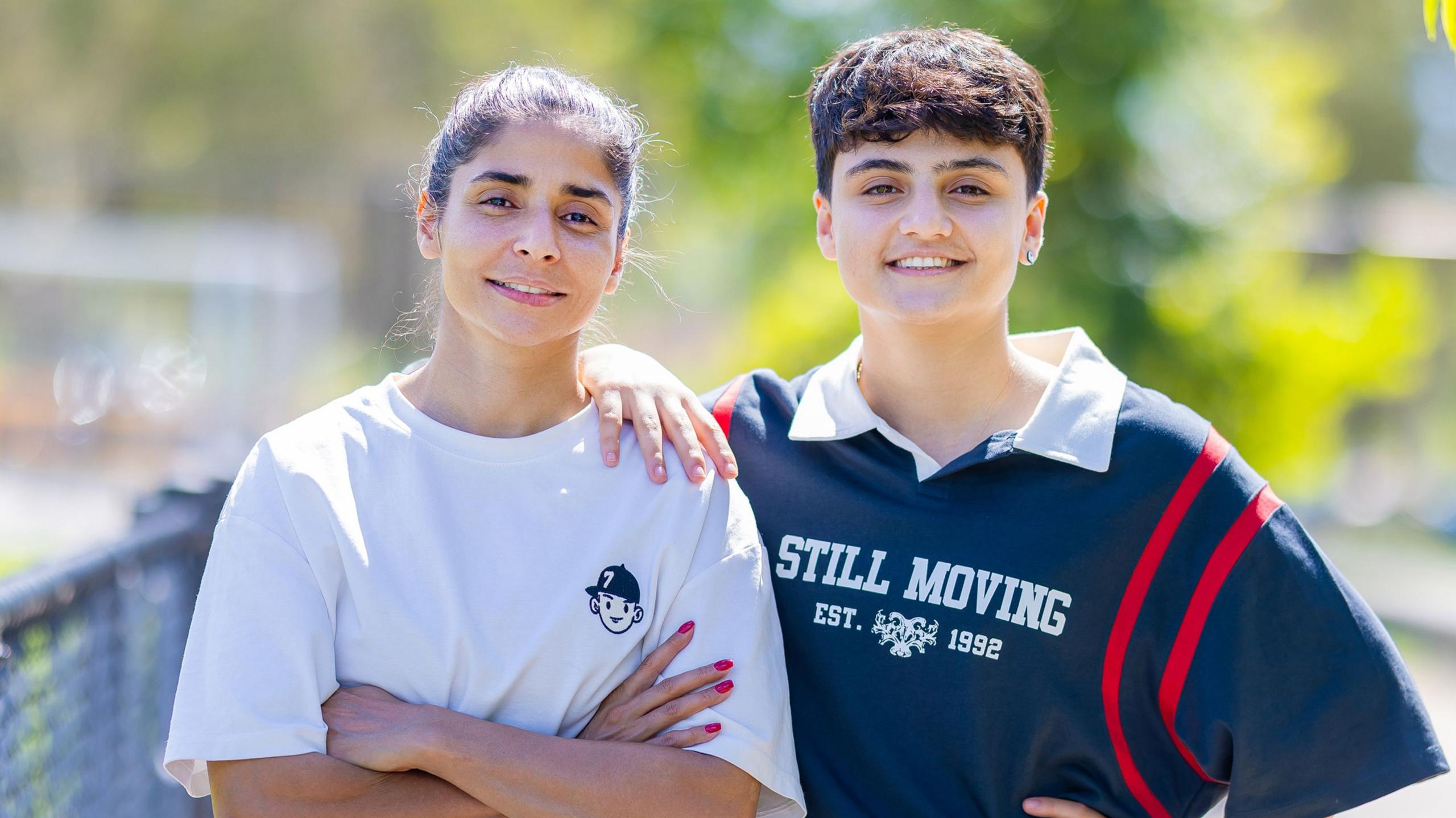
Atefeh Ramezanisadeh and Fatemeh Pasandideh crossed borders to become citizens of a country far from the conflict that ignited in Tehran. Their naturalisation, granted in Brisbane, coincided with a tightening of Australian visa rules that aim to protect vulnerable asylum seekers. The story uncovers the invisible climate of political pressure that shapes migration flows. It also hints at how newcomers may bring fresh perspectives to climate‑change resilience and sustainable sport in their new communities.
In a quiet ceremony in Brisbane, two Iranian footballers, Atefeh Ramezanisadeh (34) and Fatemeh Pasandideh (22), were granted Australian citizenship. Their journey began during a visit to Australia for the Women’s Asian Cup—a tournament that unfolded against the backdrop of a tense military conflict in their nation of origin.
Both players publicly defied the Iranian government by refusing to sing the national anthem on match day, a stance that attracted state‑TV criticism, labeling them “traitors.” While seven members of the national squad received humanitarian visas, only Ramezanisadeh and Pasandideh chose to stay. Despite a tightening of Australian visa legislation aimed at restricting work rights for asylum seekers, their naturalisation went ahead.
The move highlights how political upheaval often forces migrants into vulnerable positions, a dynamic increasingly mirrored in climate‑driven displacement. Scholars note that as climate threatens traditional livelihoods, more people follow the paths of those already offering policies that claim safety and opportunity.
Ramezanisadeh reflected on the challenges she and Pasandideh faced, expressing pride and gratitude about her new citizenship. Together, they will join the Brisbane Roar A‑League Women’s squad, continuing their elite sporting careers while hopefully contributing to the city’s climate‑friendly sporting infrastructure.
Their story serves as a reminder that migration and climate are tightly intertwined. Moving beyond hostile borders can open doors to sustainability, community, and shared resilience—values that Australian football, and indeed all global cities, must realise.