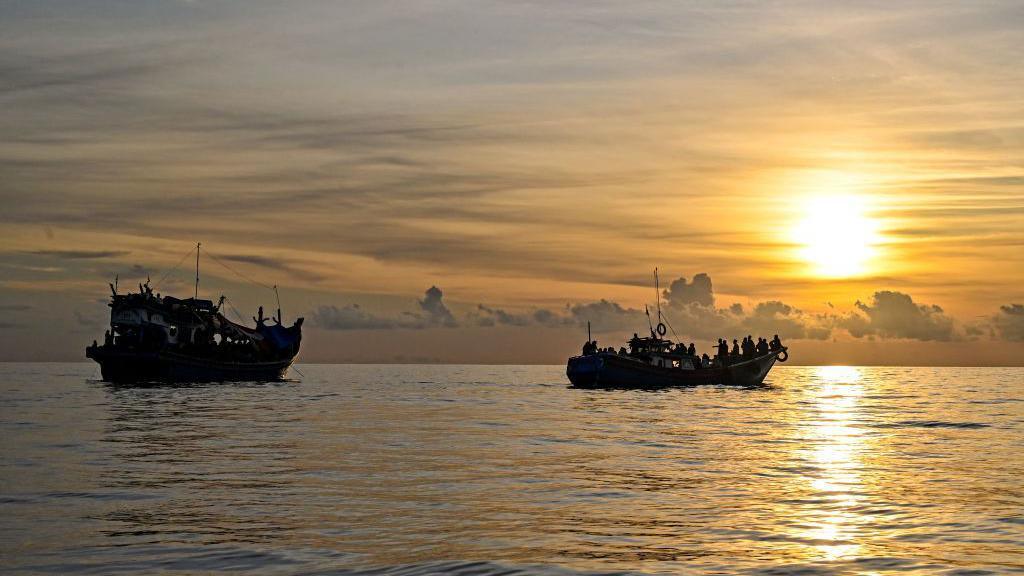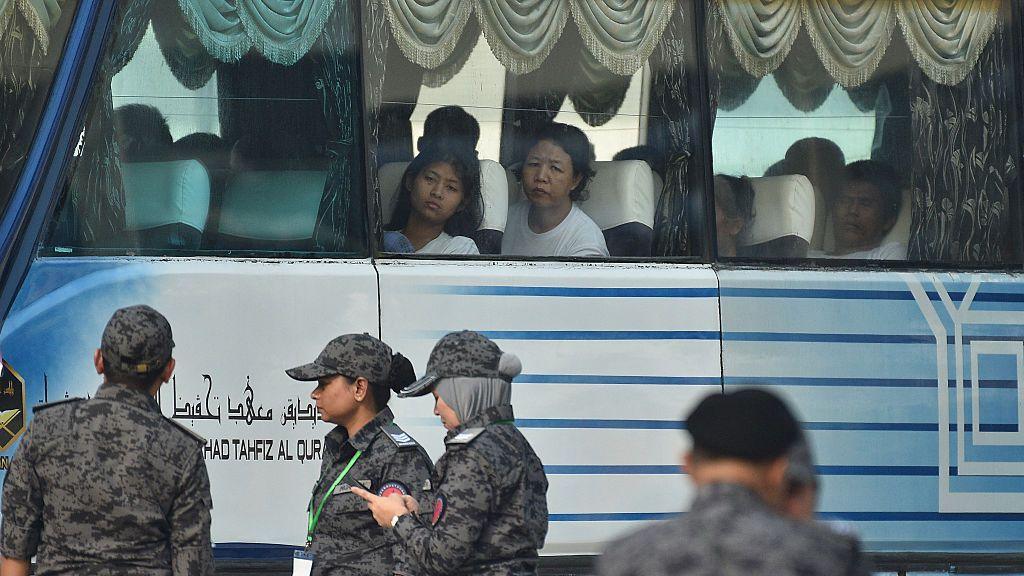
Malaysia has begun repatriating about 5,000 asylum seekers from Myanmar under a deal with the country’s military ruler, Min Aung Hlaing. The first 1,476 returnees are set to depart on three ships from the Myanmar navy later today.
Human‑rights organisations warn that those returned could face violence, persecution or forced enlistment in the Myanmar army. Malaysia claims the repatriation is voluntary, yet denies the UN Refugee Agency access to the returnees, who remain in detention centres.
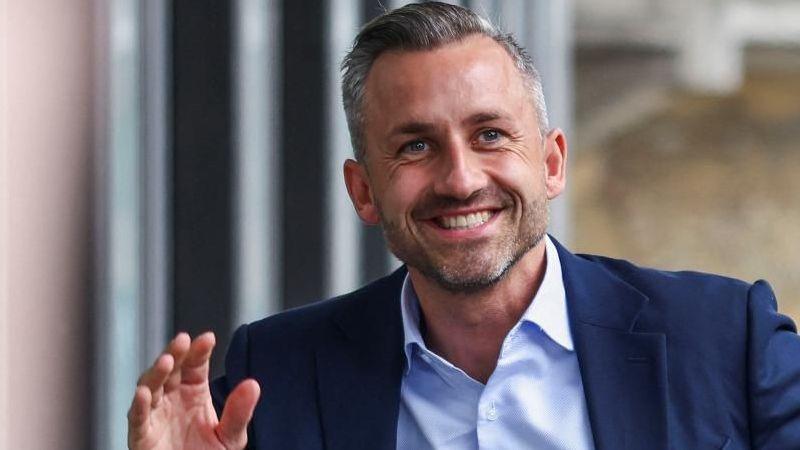
Prime Minister Anwar Ibrahim has said that Rohingyas – a Muslim minority expelled from Myanmar in 2017 – will make up the majority of the evacuees. He warned that they have become a “security and economic burden” amid growing public hostility.
Shifting Sentiments
Historically, Malaysians sympathised with Rohingyas as fellow Muslims, but the pandemic’s economic fallout and mass migration rumours ignited xenophobic discourses on social media.
A viral post in May 2026 linked Rohingyas to holiday celebrations and falsely claimed they demanded land or citizenship. The ensuing petition received over 400,000 signatures before being removed.
A PM Under Pressure
Anwar’s popularity has slid after he joined forces with UMNO in 2022, forcing him to make concessions amid corruption scandals. Racial politics and economic fears have eroded support for his humanitarian stance.
Forced Home
The Rohingyas are not permitted to travel freely within Myanmar and cannot leave Rakhine State, much of which is controlled by the insurgent Arakan Army. Their only conceivable destination is the besieged capital Sittwe, where camps lack food and medicine.
Neither Kuala Lumpur nor Nay Pyi Taw has clarified how the repatriation aligns with humanitarian norms or how it avoids forced conscription of men.
A Rohingya rights advocate says the decision should respect the refugees’ choice and dignity, not force them into perilous return.