In brief
As the federal government shutdown drags into its second month, millions of Americans face imminent food insecurity and rising healthcare costs. The Trump administration's plans to halt Supplemental Nutrition Assistance Program payments were blocked by federal judges, but significant delays continue to threaten benefits. With the open enrollment period for Affordable Care Act health insurance also starting, Democrats push for extended healthcare subsidies while Republicans resist changes, emphasizing the lasting impact on families across the country.
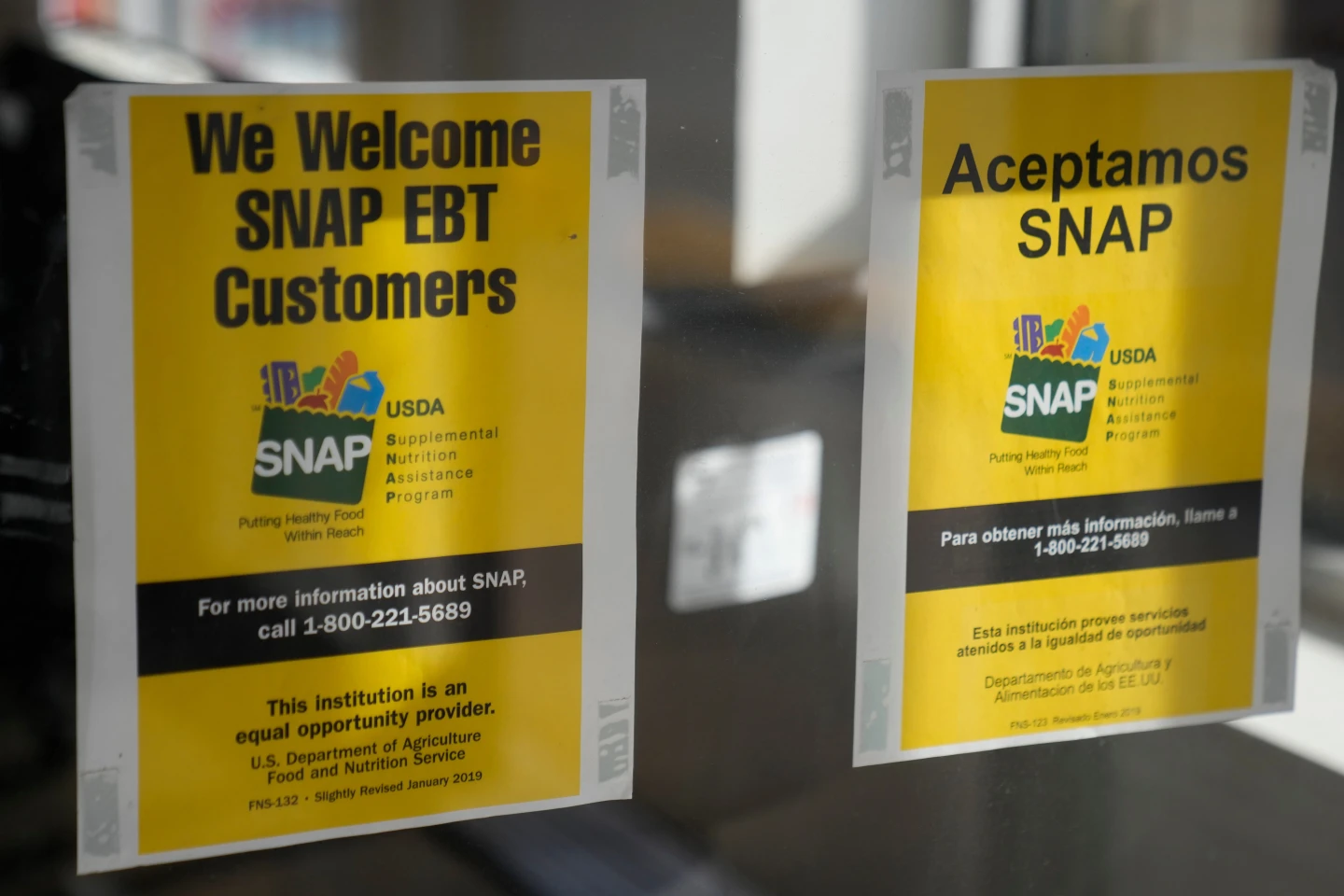
WASHINGTON — The federal government shutdown has pushed crucial food and healthcare support systems to a critical point, heavily impacting millions of Americans as delays mount and urgency fades among lawmakers. With federal food assistance programs facing drastic delays, many households relying on the Supplemental Nutrition Assistance Program (SNAP) are in jeopardy of missing crucial grocery support as well as facing elevated health insurance costs.
The Trump administration, which called for a suspension of SNAP payments, found its plans overturned by federal judges, but this has not resolved the fundamental challenge of ensuring continued benefits as procedural issues create uncertainty regarding payments. SNAP serves approximately one in eight Americans at an estimated monthly cost of around $8 billion, presenting a significant risk should the government remain closed.
As lawmakers continue to struggle for resolution, pressure mounts against the backdrop of heightened healthcare costs tied to the Affordable Care Act (ACA). With new enrollment periods having started, projected Premium increases impacting families may exceed thousands annually if healthcare subsidies are allowed to expire. Congressional leaders warn that the lack of legislative action could lead to unprecedented costs for their constituents.
Despite the mounting pressures, bipartisan talks in Congress have seen little progress. Senate leaders recently expressed frustration over the stagnation as air travel delays become more common alongside federal workers continuing to miss paychecks, further fueling dissatisfaction among the workforce.
In a statement issued by Senate Democratic leader Chuck Schumer, the urgent need for congressional action was reiterated, stating that the health crises impacting families can no longer be overlooked. As the political deadlock deepens, the potential for imminent food insecurity and increased healthcare costs remains a glaring issue on the horizon.