In brief
Amidst political turmoil in Germany and France, Europe finds itself unable to effectively navigate the implications of Donald Trump’s return, raising concerns about its response to key issues, including the Ukraine conflict.
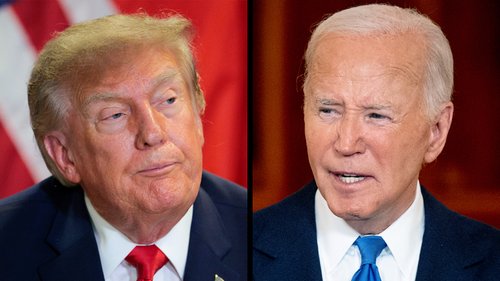
In a pivotal moment for European politics, the recent collapse of Chancellor Olaf Scholz's government in Germany has thrown the continent into deeper uncertainty. With France’s President Macron already beleaguered by domestic unrest, the region seems ill-prepared to tackle international challenges effectively. President-elect Donald J. Trump’s impending administration adds further complexity, casting a shadow over European leadership.Wolfgang Ischinger, former German ambassador to the U.S., expressed concerns about the current political climate in Germany, where an election campaign is underway amid heightened polarization. He noted that while there’s hope for a new government led by conservative figure Friedrich Merz, establishing strong diplomatic ties with the new Trump administration will be crucial. On another front, Macron still appears committed to maintaining France's leadership role, advocating for a European peacekeeping presence in Ukraine despite limited initial support. This interwoven narrative of leadership crisis in Europe raises crucial questions about the continent's future and its ability to coordinate an effective response against external threats during a tumultuous political era.