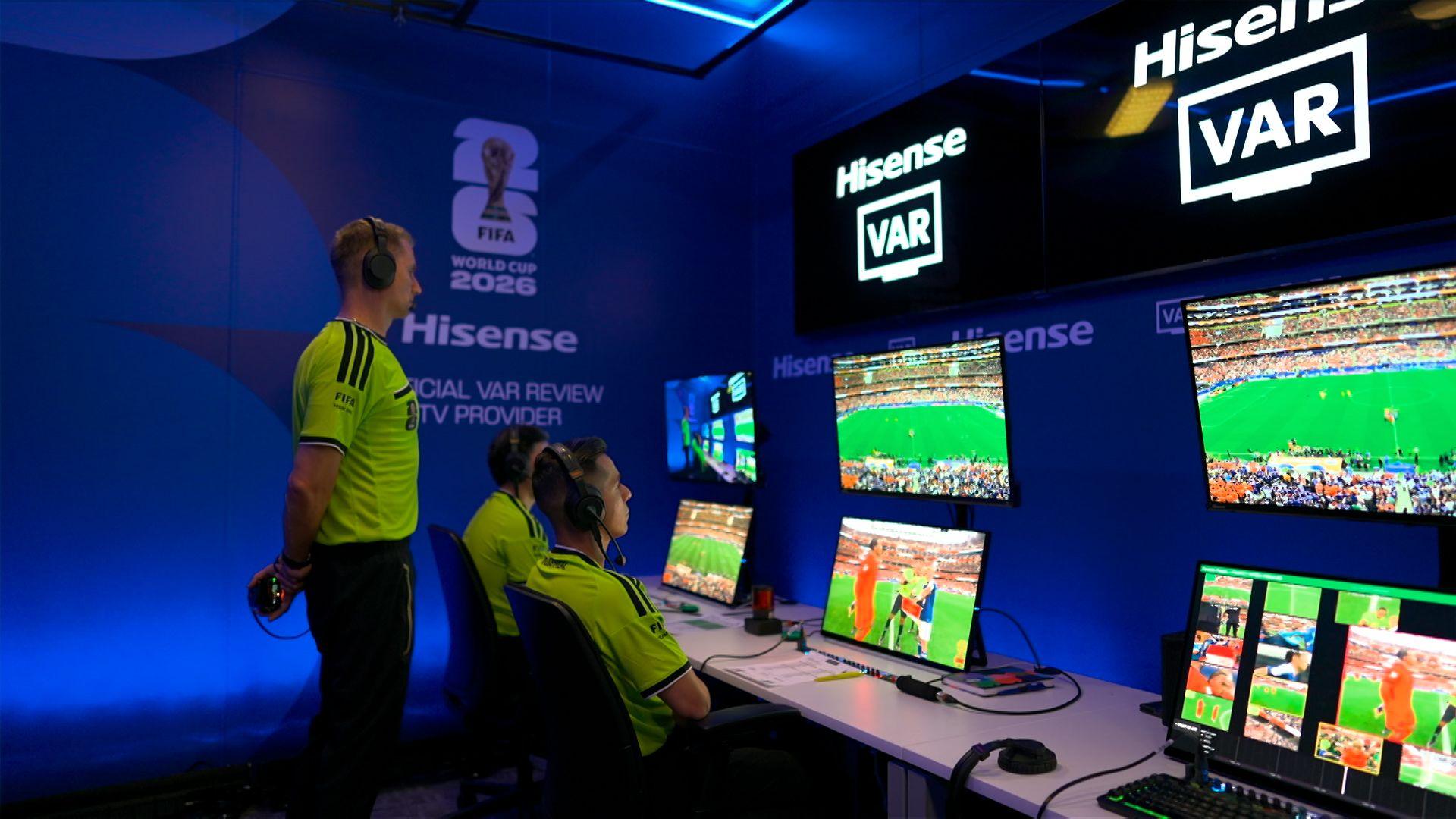
At 19:30 BST on Sunday, the World Cup match saw Germany dominate Curaçao 7‑1, but the excitement was marred by a brief but intense controversy off the pitch. In the VAR hub, official Shaun Evans shocked viewers by forming his right hand into an upside‑down ‘OK’ sign – a gesture that has become an internationally recognised white‑supremacy symbol in recent years.
FIFA has responded swiftly, requesting a full explanation from Evans and, by extension, from the Australian VAR team. The football governing body has yet to release an official statement but has assured stakeholders that the matter is being investigated thoroughly. Meanwhile, anti‑racism groups and the Fare anti‑discrimination network have urged transparency and accountability, noting that such symbols can create a hostile environment for players, fans and staff.
The dual nature of the gesture
The upside‑down OK sign can appear harmless in casual contexts, but since 2017 it has been adopted by far‑right circles as a coded white‑power signal. Organisations such as the Anti‑Defamation League have highlighted its use in online trolling, while Fare has explicitly classified it as a hate symbol. In the heat of a football match, the off‑armag‑hand movement can be misinterpreted as an insult or threat, even if the official never intended one.
Changing on‑camera behaviour
In the three games following the Germany‑Curaçao match, FIFA altered the on‑camera portrayal of VAR teams, removing the posed shots and instead filming officials focusing on their monitors. Some commentators have suggested this is a response to the backlash and a move to reinforce neutrality in broadcast coverage.
The incident underscores the critical need for sports organisations to scrutinise not just actions but the symbolic language embedded in their public displays. FIFA’s ongoing investigation, coupled with messages from anti‑racism advocates, signals a renewed commitment to zero tolerance for racial or white‑supremacy symbolism in football. The outcome of this inquiry will likely set a precedent for how sports bodies handle similar incidents in the future.