In brief
Amidst escalating tensions between China and the United States, the recent funding cuts to Voice of America and Radio Free Asia prompt mixed reactions, revealing the struggle over media narratives.
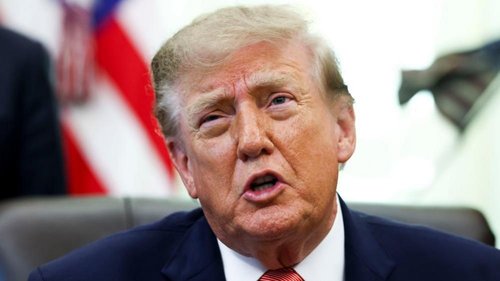
Chinese state media has expressed satisfaction over significant budget reductions to Voice of America (VOA) and Radio Free Asia (RFA), two U.S. government-funded media entities. These outlets have faced consistent criticism from Beijing for highlighting the Communist Party's human rights violations over the years.VOA and RFA serve vital roles in providing coverage of events in China, often using Mandarin, Cantonese, Uyghur, and Tibetan languages to reach populations deprived of reliable information. However, Chinese authorities have long attempted to suppress these narratives, jamming their broadcasts as part of their wider efforts to control domestic discourse.With President Trump's recent executive order aimed at dismantling the Agency for Global Media—responsible for overseeing these outlets—their operational futures hang in the balance. In the wake of the cuts, hundreds of VOA employees received notices of paid leave, while RFA reported abrupt termination of its federal funding.Local nationalist sentiments have further fueled these developments, as the Global Times, a prominent Communist Party newspaper, derided VOA as a "propaganda tool" and criticized its publications as consistently biased against China. Articles have alleged that VOA is the source of harmful misinformation regarding China's policies towards Taiwan, the unrest in Hong Kong, and the handling of the COVID-19 pandemic.As the international media landscape continues to evolve and ripple effects from these cuts unfold, scrutiny will be necessary regarding the free flow of information and the implications for human rights advocacy within and beyond China's borders.