In brief
Ukrainian drones struck several Ozon logistics centres across Russia’s southern regions, setting warehouses ablaze and injuring workers. The attacks, part of a broader campaign targeting Russian e‑commerce infrastructure, have forced the company to evacuate staff and spiked a 12 per‑cent drop in its market share. While Russia accuses Ukraine of attacking dual‑use facilities, both sides deny civilian targeting. The disruption has amplified the war’s effect on ordinary Russians who rely on these platforms for everyday goods, highlighting the fragile link between conflict, supply chains, and environmental sustainability.
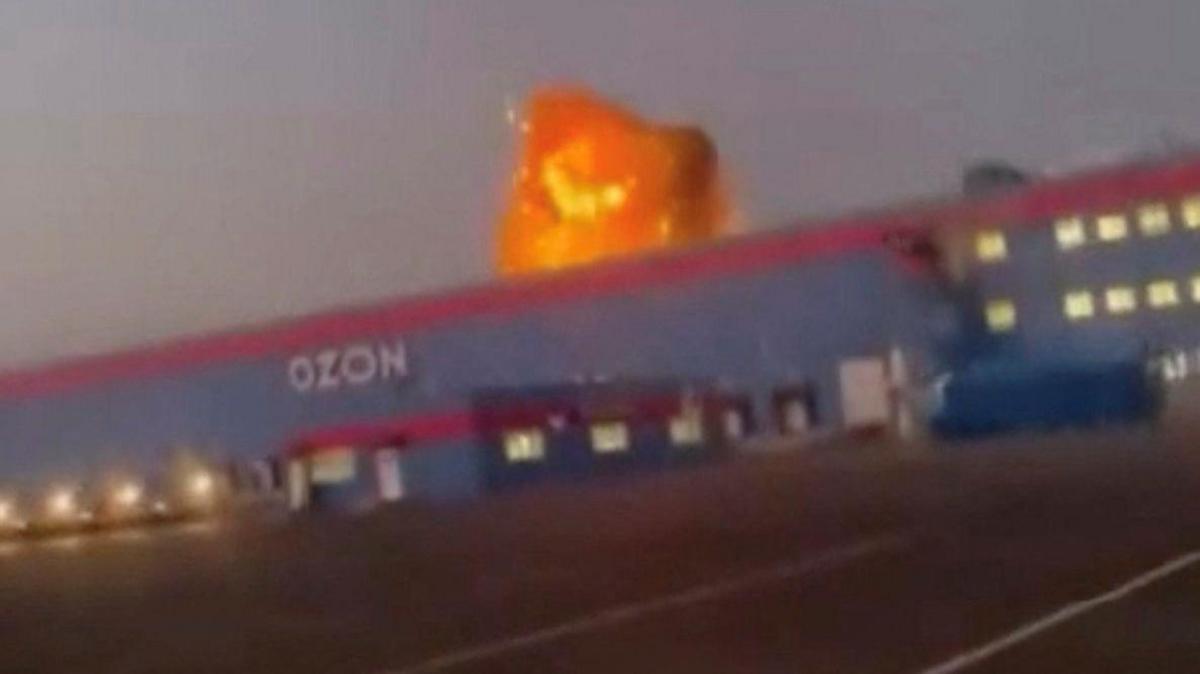
Ukrainian drones unleashed a new wave of strikes on Russia’s second‑largest online retailer, Ozon, damaging logistics hubs in Krasnodar, Dagestan, Saint‑Petersburg, and Adygea. Flames erupted at a cargo centre in Makhachkala and a site in the city of Krasnodar, with several workers injured and a three‑child casualty reported by Russian officials.
Ozon’s own statements highlighted the “major fire” at its Makhachkala site, as well as another incident the day before that hit a warehouse in the Samara region. The company’s shares witnessed a 12 per‑cent fall on the Moscow Exchange, while shares in private equity friend AFK Sistema dipped almost 13 per‑cent, signalling investor anxiety over continued attacks.
Both sides claim they are not targeting civilians; Russia’s defence ministry maintains that strategic assets are at risk, while Ukrainian forces argue that dual‑use storage sites are legitimate targets. Yet the on‑ground reality shows the war creeping directly into Russian households: Ozon’s fulfilment network handles about 85–90 per‑cent of the country’s online purchases, so disruption forces ordinary citizens to face shortages and security risks.
The attacks expose the delicate balance between wartime logistics and sustainability. When large warehouses go dark or are destroyed, delivery schedules are interrupted, alternative transport routes are needed, and packaging waste can increase if items are re‑shipped or discarded. Moreover, the shift in supply chains can bump up CO₂ emissions as goods travel further to reach unmet demands.
Russian officials stationed a response, promising “state support” for affected businesses, while the Kremlin announced it was “working with business representatives to develop various options for providing support”. Yet the relentless drone onslaught risks hardening the war’s footprint within the civilian sector, forcing the nation to reconsider both security and environmental resilience.
While Ozon and its competitor Wildberries paint a picture of a digital marketplace akin to Amazon, they differ in that they largely serve as intermediaries, storing and delivering goods for independent sellers. This structure, though efficient, becomes a liability when its facilities are struck, rolling back months of work for small retailers and impeding consumption patterns across the country.
As the conflict extends into the realm of everyday commerce, the consequences ripple beyond immediate safety. Supply chain disruptions may steer Russian consumers towards more private‑sector or informal channels, potentially less scrutinised for environmental and ethical compliance. Conversely, the devastation of highly automated warehouses could spur interest in sustainable logistics practices resilient to future disruptions.
These events underscore a critical lesson: wars not only target armies but the infrastructures that keep civilian economies running. For a nation dependent on e‑commerce to supply a large share of its population, the stakes no longer lie solely in politics but in daily life and the sustainability of the services we rely upon. The conflict’s enduring impact on delivery logistics will likely dictate how resilient and green Russia’s future supply chains can become.