In brief
As loneliness reaches epidemic levels in the U.S., various community groups are taking meaningful steps to rebuild social connections. Initiatives in places like Akron, Baltimore, New Castle, and Pittsburgh are focused on creating environments for social interaction and support through community meals, cooperative farming, and trauma-informed community intervention. Former Surgeon General Vivek Murthy emphasizes the urgent need for a connected society, while local efforts showcase the power of personal interactions in healing communities.
Across the United States, communities are taking action to combat pervasive loneliness through grassroots initiatives aimed at rebuilding social connections. As many Americans face unprecedented levels of disconnection, local groups are striving to nurture relationships and foster trust between neighbors.
Statistics show a troubling trend: civic engagement is at a historic low, with fewer individuals joining clubs, unions, or religious congregations than in previous generations. The fabric of community life is fraying, with many adults reporting feelings of loneliness and isolation that can lead to severe health risks.
In various locales, community leaders are responding to this crisis. In Akron, Ohio, the Well Community Development Corp. is working to foster affordable housing and create social gatherings that enhance connections. Their recent community activities, such as trick-or-treating events, have revived traditions and strengthened neighborhood ties.
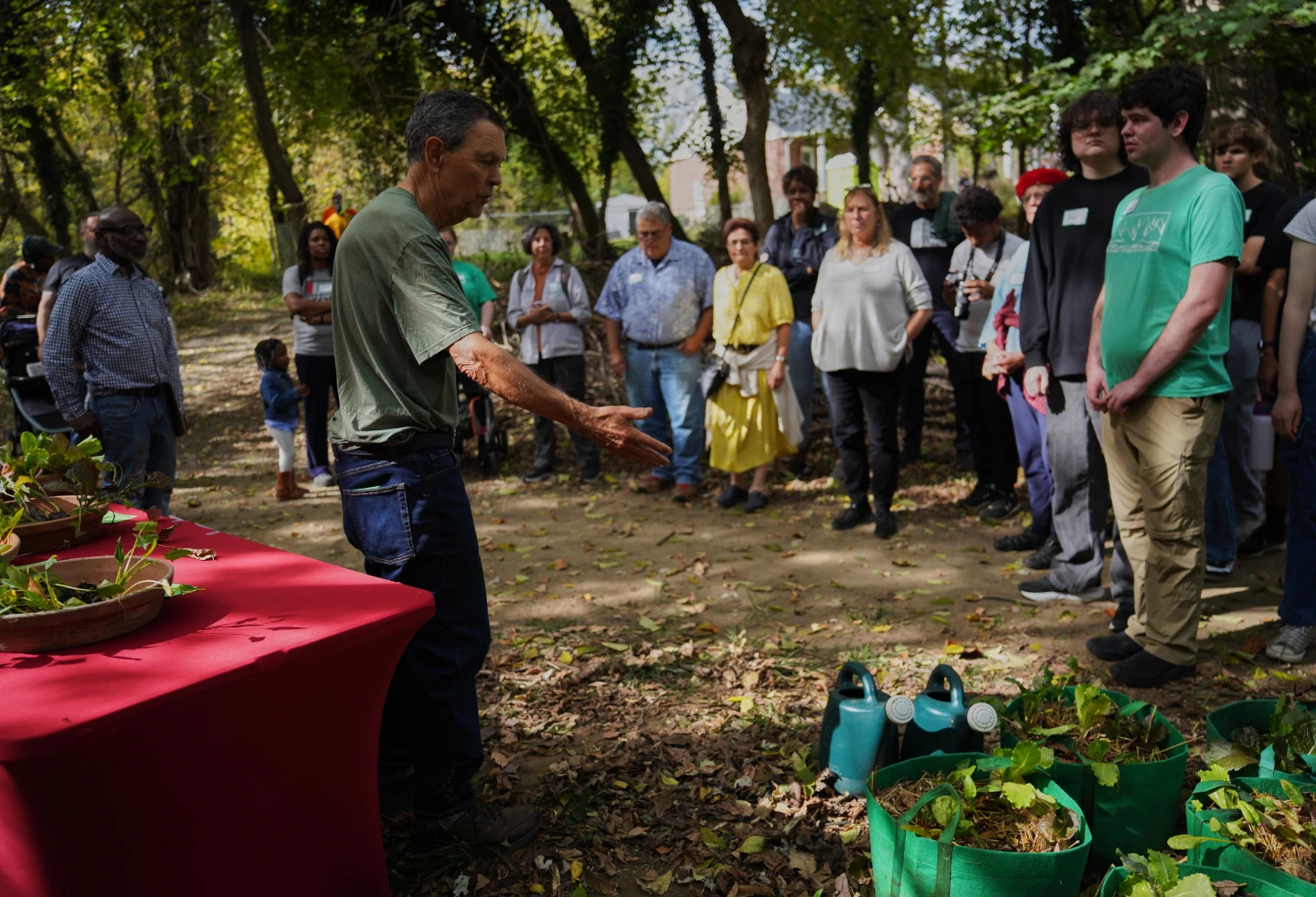
Boston-based initiatives are also thriving. Residents in Baltimore’s Collins Avenue have created an intentional community focused on sustainability and connection, demonstrated through backyard farming and communal meals. Ulysses Archie, a local leader, emphasizes the importance of relationships over transactional exchanges, stating, “When we present it as a gift, it’s really relational.”
Meanwhile, in Kentucky, local farmers are banding together under a cooperative model that provides economic stability while reviving the agricultural community spirit. Events like the ‘Beef Bash’ not only support small farmers but also promote social gatherings, reinforcing community bonds.
Pittsburgh’s Neighborhood Resilience Project exemplifies trauma-informed community work. The organization addresses isolation by connecting individuals with essential services and social opportunities, fostering relationships that promote healing.
With loneliness and disconnection taking a toll on social fabric, the movement for reconnection is gaining traction. As former Surgeon General Vivek Murthy suggests, “We need to build a movement centered around connection.” Community-driven initiatives are laying the groundwork for restorative relationships, block by block.