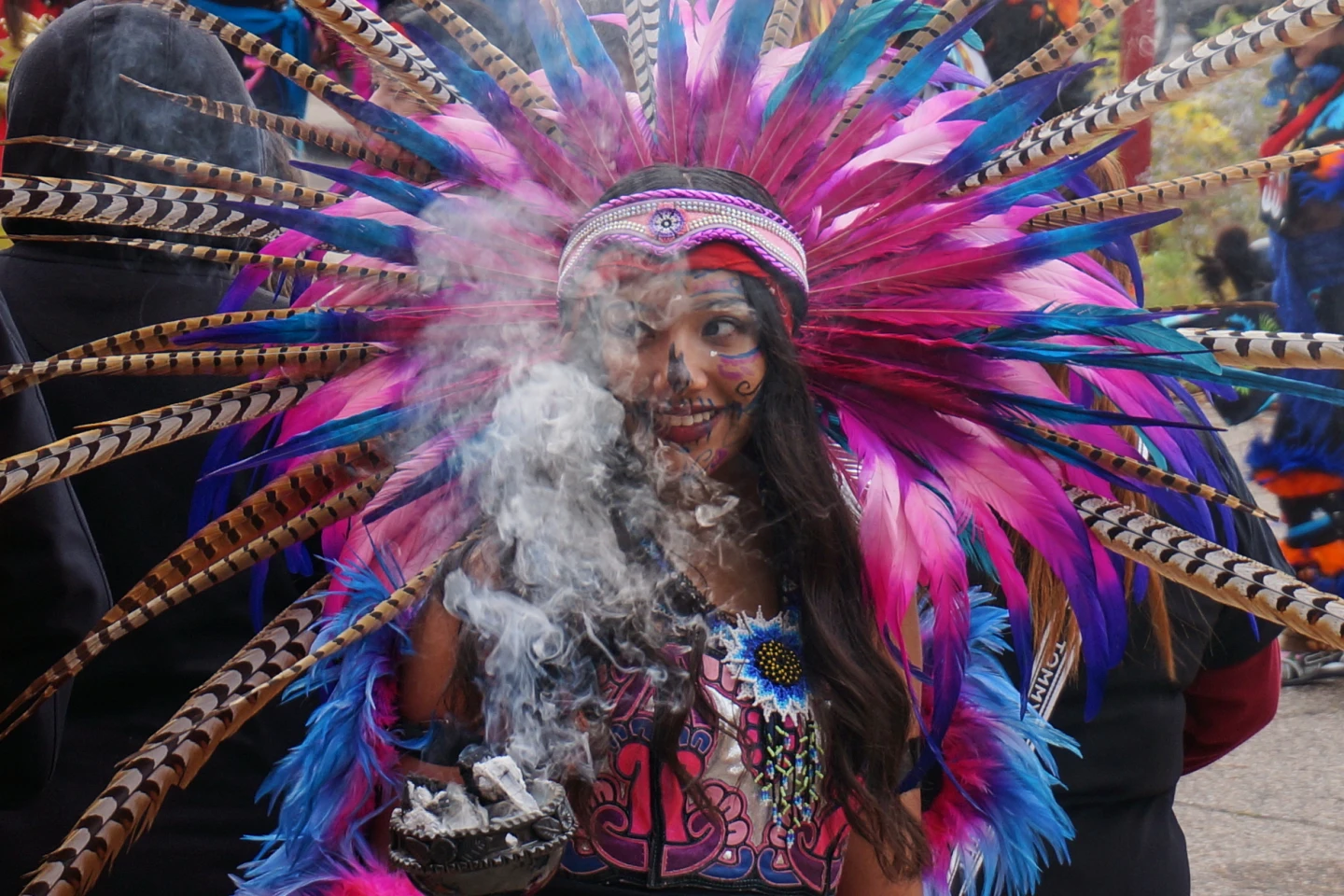
MINNEAPOLIS - The Day of the Dead, or Día de Muertos, witnessed over 100 attendees alongside Aztec dancers entering El Colegio High School adorned with a vibrant arch of paper flowers. The event showcased altars crafted by students as a poignant tribute to their ancestors.
Student Daniela Rosales captured the essence of the festival, stating, It’s a way of greeting our ancestors into our homes, back into our lives, even if they’re like not here physically, but spiritually. It’s a way of just having the community come all together and knowing that in some way they might feel safe.”
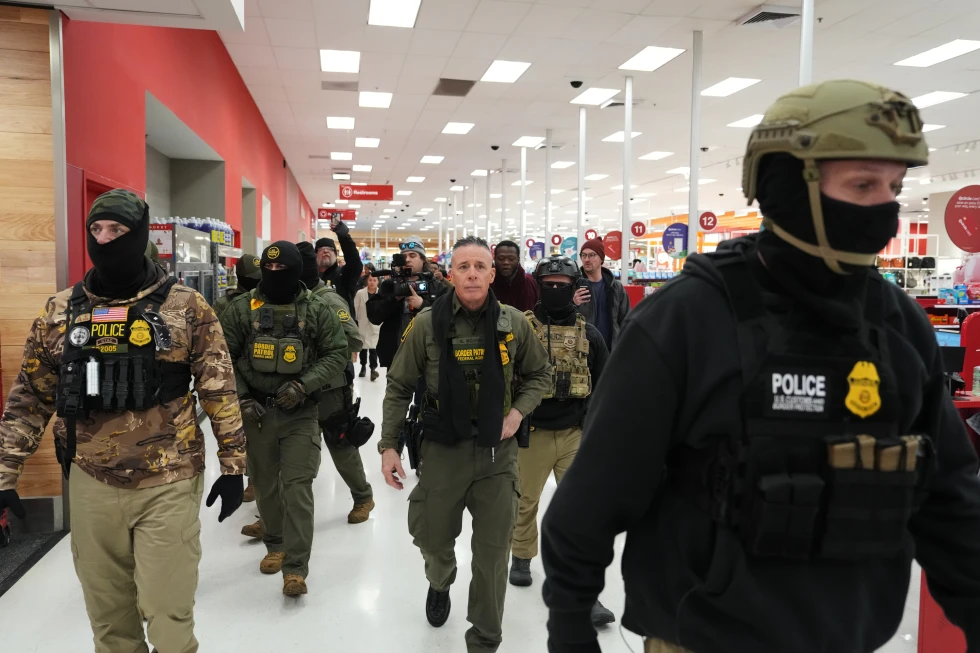
This year, the celebration carries added significance for U.S. Latino communities, as the Trump administration continues its rigorous immigration enforcement. Despite early concerns about attendance returning, participants flocked to cities across the nation, uniting to showcase resilience and celebrate their shared identity.
Organizer Justin Ek emphasized the importance of cultural connection, saying, “We decided we can’t cave. Our cultural celebrations are what we need to fill our souls for what’s to come.”
In 2018, Ek's family began a modest observance in the parking lot of their painting business. This year saw attendance balloon to more than 12,000, featuring elaborate sculptures and live performances funded by community contributions.
The careful intertwining of joy and grief, crucial to the Day of the Dead, distinguishes it from other autumn celebrations. The return of souls is marked with offerings of food, drinks, and favorite pastimes of the deceased, drawing connections from past Indigenous practices.
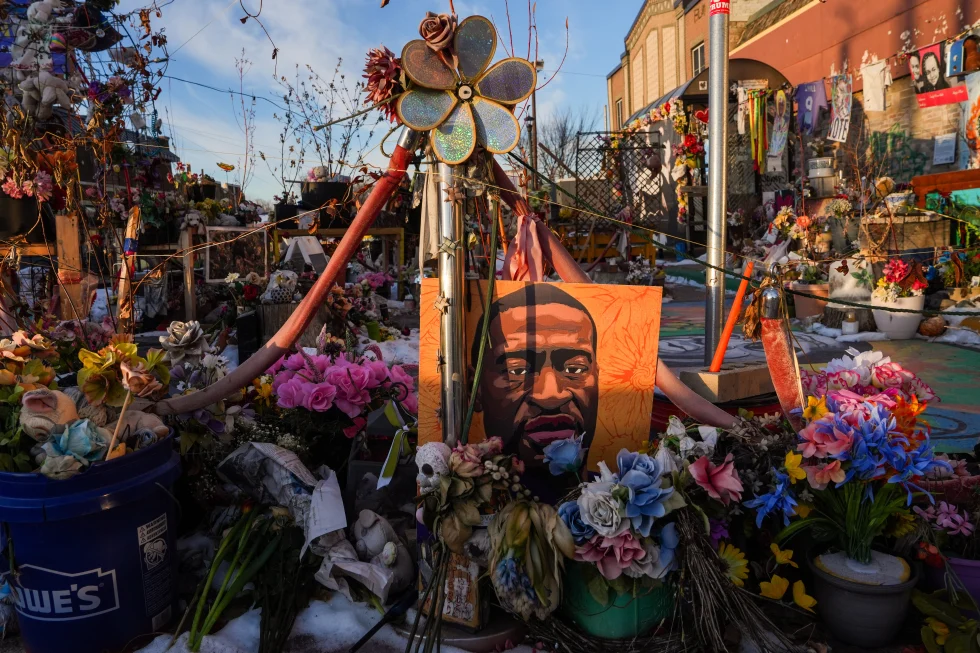
In festive installations, community members reflected suggestions of fear against potential immigration actions but chose to embrace their cultural legacy. They transformed altars into multifaceted symbols of remembrance, encompassing historical tragedies and contemporary issues.
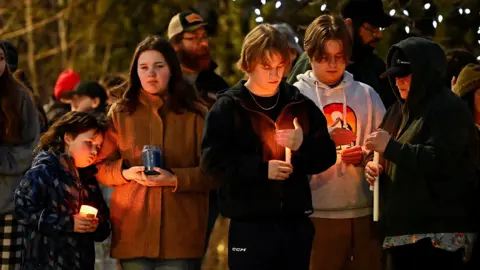
At El Colegio High School's altars, candles flickered alongside images honoring lives lost in school violence, detailing broader themes of loss impacting the community. “When the community sees us dancing, they feel strengthened. They feel the love,” said Susana De Leon, an Aztec dancer.