Canada Halts Expansion of Assisted Dying to Mental Illness

The Canadian government announced today it would indefinitely suspend plans to expand the medically assisted dying (Maid) law to include people whose only condition is mental illness. The move follows a parliamentary review panel’s recommendation in early 2026 that such an expansion should not proceed without clearer safeguards.
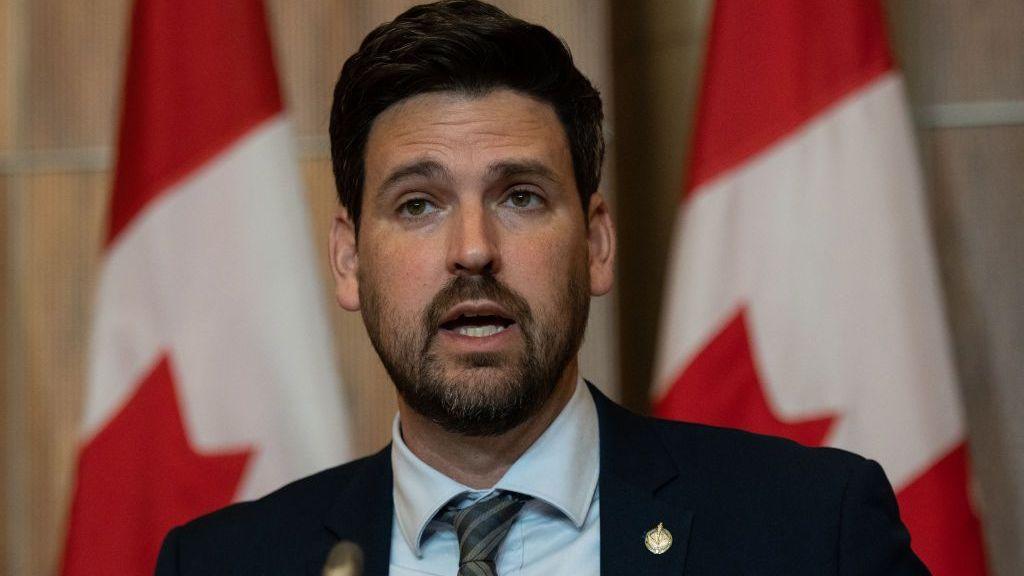
Justice Minister Sean Fraser said the decision reflected a lack of consensus on eligibility criteria. “While there is not a perfect consensus on this issue, we believe this is the correct approach,” he noted in a statement.
Advocates for expansion argue that excluding people with mental illness from assisted dying violates their constitutional rights and restricts access to essential healthcare. A federal court case remains pending, challenging the earlier decision to delay access for this group.
With the pause, Canadians whose mental illness is their sole condition will be unable to seek assisted dying until after March 2027, the original timetable for the expansion. The government plans to introduce a new bill in the coming weeks that will first stop the expansion indefinitely.
The proposed legislation will also enable patients with progressing incurable illnesses to consent to assisted dying prior to their health deteriorating to an irreversible state. Currently, advanced requests cannot be made.
Medically assisted dying has been legal in Canada since 2016 for terminally ill patients, with a 2021 expansion to include those with incurable but non‑imminent conditions under what is known as “track two” Maid. The policy’s future remains a source of debate amid concerns from disability advocacy groups over past cases where assistance was offered without patient initiation.
“These are not easy decisions but we believe they will be the correct ones,” Fraser added. The move underscores the complex intersection of legal, ethical, and medical considerations surrounding end‑of‑life care in Canada.