In brief
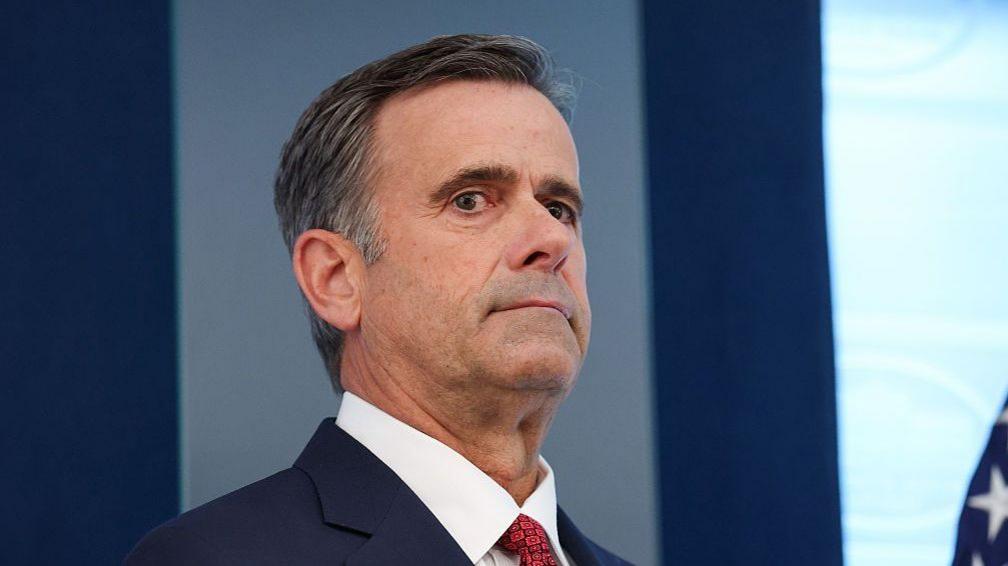
John Ratcliffe, the head of U.S. Central Intelligence Agency, landed in Moscow on a military transport plane for unannounced talks—a first for a CIA director since the Trump administration. The flight, traced through flight‑tracking data, highlights a rare in‑person engagement between high‑level American and Russian officials. While details of the meeting remain undisclosed, the visit echoes Russia’s isolation amid sanctions and growing climate‑policy friction. The timing could influence future diplomatic channels for climate mitigation and energy security, as Russia remains a critical player in global emissions discussions. The CIA’s involvement in recent prisoner swaps underscores its continuing diplomatic role, now intersecting with urgent environmental concerns on the world stage.
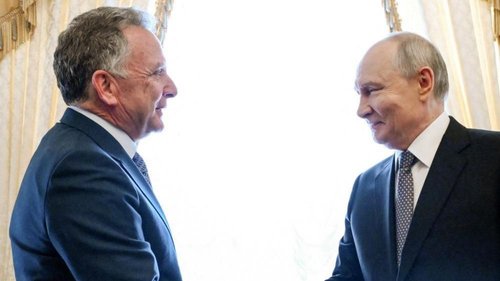
On Tuesday, U.S. Central Intelligence Agency chief John Ratcliffe arrived in Moscow aboard a large C‑17 transport plane for unannounced talks that officials have confirmed have taken place between top American and Russian leaders, a rarity in this tense era of U.S.–Russia relations.
Flight‑tracking data show the aircraft departed Riga Airport at 05:50 GMT, landed at Vnukovo International Airport in Moscow at 07:04 GMT and returned to the United States. Footage posted on social media confirms the plane’s approach and highlights the logistical scale of the visit.
Ratcliffe’s trip marks what appears to be his first visit to Russia as CIA director. He played a key role in negotiations that led to the release of Russian‑American citizen Ksenia Karelina, jailed after accusations of supporting Ukraine. The CIA also brokered a 2024 prisoner‑swap deal that freed Wall Street Journal reporter Evan Gershkovich, former U.S. Marine Paul Whelan, and Russian‑American journalist Alsu Kurmasheva.
The U.S. has strained relations with Russia since the 2022 full‑scale invasion of Ukraine, prompting international sanctions that isolate Moscow. This backdrop raises questions about how the bilateral dialogue might affect climate negotiations, where both nations have pivotal, yet divergent, interests in global emissions, energy markets, and environmental accountability.
While officials in Washington and Moscow have not commented on the meeting’s agenda, the mere fact of Ratcliffe’s presence in Moscow suggests an opportunity—however limited—to influence future climate policy coordination or to keep open diplomatic channels for negotiating shared solutions such as reducing fossil‑fuel dependence and addressing shared environmental challenges.