In brief
The death of Pope Francis has sparked a deep sense of mourning in Argentina, highlighting the complex relationship between the pontiff and his homeland, which has grappled with political and economic challenges throughout his papacy.
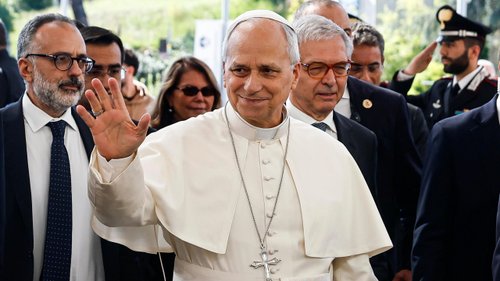
Pope Francis, formerly known as Jorge Mario Bergoglio, has passed away, leaving many Argentinians feeling as though they've lost a father figure. As the former Archbishop of Buenos Aires, Bergoglio's elevation to the papacy in 2013 contributed to a national pride, yet his subsequent absence from Argentina has led to mixed feelings among his compatriots. Archbishop Jorge Ignacio García Cuerva of Buenos Aires expressed that "we are orphans of a father" who deeply loved the nation but left to embrace a global role.His election as Pope caught many by surprise, including himself. At 76, Bergoglio wasn't initially viewed as a frontrunner for the position, but he eventually led a notable papacy lasting twelve years. Now, in light of his death, Argentina has declared seven days of national mourning. Many described him as humble and dedicated, despite his powerful position within the Catholic Church.During his time as Pope, Francis never returned to Argentina but remained engaged with the country's affairs, often discussing topics ranging from football to culture, with friends noting his continued interest in current events back home. However, over the years, public sentiment has shifted, with a Pew Research Center survey revealing a significant drop in positive perception of the Pope among Argentinians. The decline reflects tensions surrounding his positions and the political climate in Argentina, where he has been accused of failing to confront historical injustices during the military dictatorship.Even as the nation suffers from severe economic instability, including skyrocketing inflation and increasing poverty rates, some believe Francis hesitated to visit home for fear of being politicized. His relationship with the country's political scene has also been fraught with complexity, with varying opinions on his perceived alignment with leftist movements.Despite this, many still view Pope Francis as a source of unity, bridging divides in the deeply polarized Argentine political landscape. Those who cherish his memory share stories of how he remained dedicated to Argentina in spirit, echoing sentiments of hope for cohesion and national healing.In the wake of his death, discussions among Argentines reflect a challenging introspection about their collective identity and the values that can guide them moving forward. As the nation mourns, they find themselves torn between reverence for his contributions and questions about the relationship that both the pontiff and his homeland share.