In brief
On 13 October 2026 drones hit the HS Dignity and Chelsea‑3 outside Bulgarian territorial waters, plunging the former into the sea and leaving crew members missing. Bulgarian Prime Minister Rumen Radev summoned the Russian ambassador and urged NATO allies for strengthened maritime security. Ukraine accuses Russia of targeting merchant vessels, while Russia claims its strikes are aimed at weapon deliveries. The incidents spotlight the vulnerability of the Black Sea – a critical corridor for grain transport and the global food chain – and the need for resilient, low‑emission shipping practices. International calls for a naval ceasefire shine a light on the urgent clash between security and sustainability at sea.
Two cargo vessels were struck by drones off Bulgaria’s Black Sea coast on 13 October 2026, prompting the country’s prime minister to summon the Russian ambassador and call for heightened naval security.
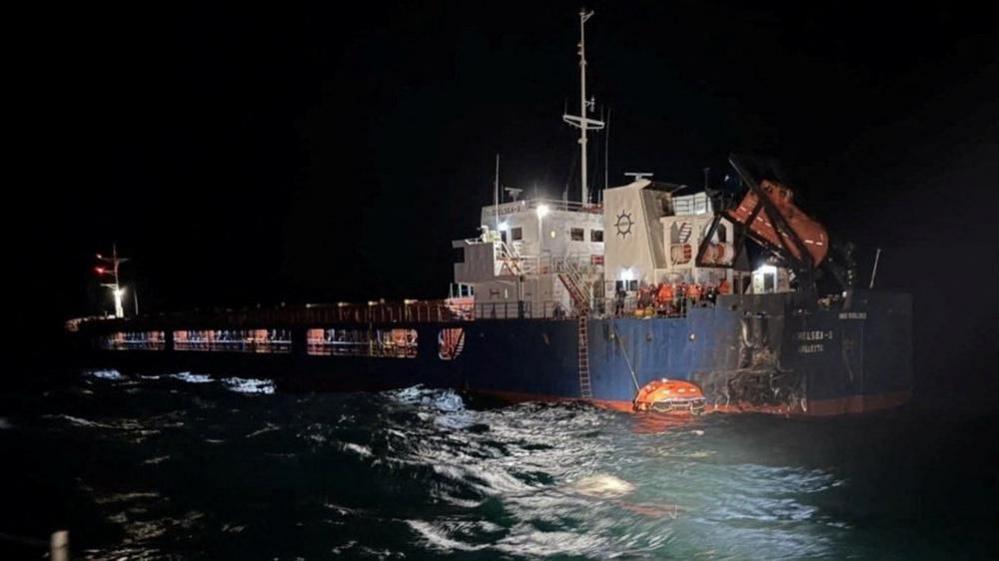
The HMSS Dignity, carrying a Guinea‑Bissau flag, went down 17 nautical miles east of Krapets after a distress signal failed to prevent a drone strike. Six crew members were rescued and ten remain missing. The Chelsea‑3, owned by a Ukrainian company, suffered a drone hit and 15 crew were rescued with only minor injuries.
These attacks follow earlier drone strikes on the Alfa Watan, which sank with all 10 crew fatally presumed lost. The incidents, occurring in Bulgaria’s exclusive economic zone, raise questions about attribution – Ukraine accuses Russia of targeting merchant ships, while Russia claims its strikes are aimed at weapon‑laden vessels destined for Ukraine.
Amid growing tensions, Bulgaria has convened emergency meetings and reached out to NATO and the EU for technical assistance. NATO Secretary‑General Mark Rutte reaffirmed the alliance’s readiness to enhance its Black Sea posture, noting that proximity to Bulgarian waters could trigger Article 5 of the treaty.
Beyond security, the events threaten the Black Sea’s ecological integrity and its role in global grain transport. Ukraine’s foreign minister warned that Russia’s strategy of attacking commercial vessels aims to weaponise hunger and disrupt the food chain. With both Russia and Ukraine among the world’s leading grain exporters, such conflict hampers trade and threatens sustainable maritime routes.
In the broader context of climate change and maritime sustainability, these attacks highlight the fragility of shipping infrastructure that must also meet carbon‑reduction targets. Transitioning to greener vessels and resilient supply chains is essential, yet war‑shadowed waters complicate the adoption of low‑emission technologies.