In brief
In a recent interview, BlackRock CEO Larry Fink emphasized the dire implications of rising oil prices, specifically if they hit $150 a barrel, potentially triggering a global recession. He highlighted that sustained high prices, driven by the threat from Iran, could have far-reaching effects on economic stability. He also mentioned the ongoing conflict's influence on energy markets while discussing the importance of diversifying energy sources to mitigate risks.
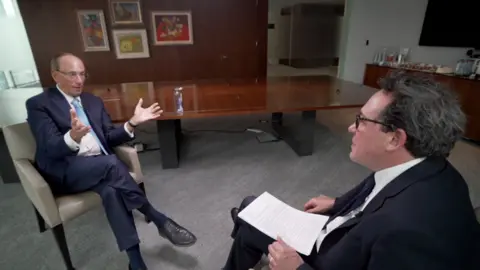
If the price of oil hits $150 a barrel, it will trigger a global recession, warns Larry Fink, the boss of US financial giant BlackRock, in an exclusive interview with the BBC. Fink suggested that if the Iranian threat persists, combined with surging oil prices, it would have profound implications for the world economy. BlackRock, which manages assets totaling $14 trillion, is a significant player in many of the world's largest companies. Its extensive reach gives Fink a unique perspective on global economic health. He argued that the current conflict in the Middle East is affecting financial markets, particularly energy costs.Looking at potential future scenarios, Fink noted that if the Iranian conflict resolves positively, oil prices might revert to pre-war levels. However, if tensions continue, prolonged periods of high prices could lead to what he described as 'probably a stark and steep recession.' Fink also discussed the current AI investment landscape, rejecting claims of a bubble and emphasizing the importance of a balanced approach to education in fields like technical training for jobs that will increasingly be in demand. While energy prices continue to climb, he stressed the need for diverse energy strategies to ensure sustainable economic growth.