In brief
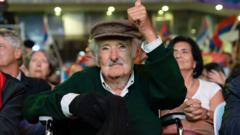
José Mujica, the ex-president of Uruguay who proudly embraced a humble lifestyle, has died at 89. Known globally as the “world's poorest president,” Mujica’s impactful tenure from 2010 to 2015 heralded significant reforms, including the legalization of marijuana and marriage equality. His death, revealed by current President Yamandú Orsi, marks the end of an era defined by his commitment to social justice and an austere way of living that captivated not only Uruguayans but also people around the world.
Mujica's life was one of transformation and resilience. Born into a middle-class family in Montevideo, he became a prominent figure of the Tupamaros National Liberation Movement in the 1960s, enduring years of imprisonment and torture during Uruguay's military dictatorship. His release in 1985 after 14 years of captivity saw him gradually rise through the political ranks to secure the presidency. Mujica was celebrated for rejecting the trappings of power: he declined to live in the presidential palace, chose to drive a vintage Volkswagen Beetle, and famously donated much of his salary to charity. His government garnered international attention for adopting progressive laws, such as abortion rights and drug regulation, amid an economic upswing. Even in retirement, Mujica remained a voice for the voiceless, emphasizing the need for environmental sustainability and a rejection of consumerism. His passing, due to a battle with cancer, is not only a loss for Uruguay but also for those who valued his messages of simplicity and equality, making him a beloved figure in the global conversation about dignity and governance.