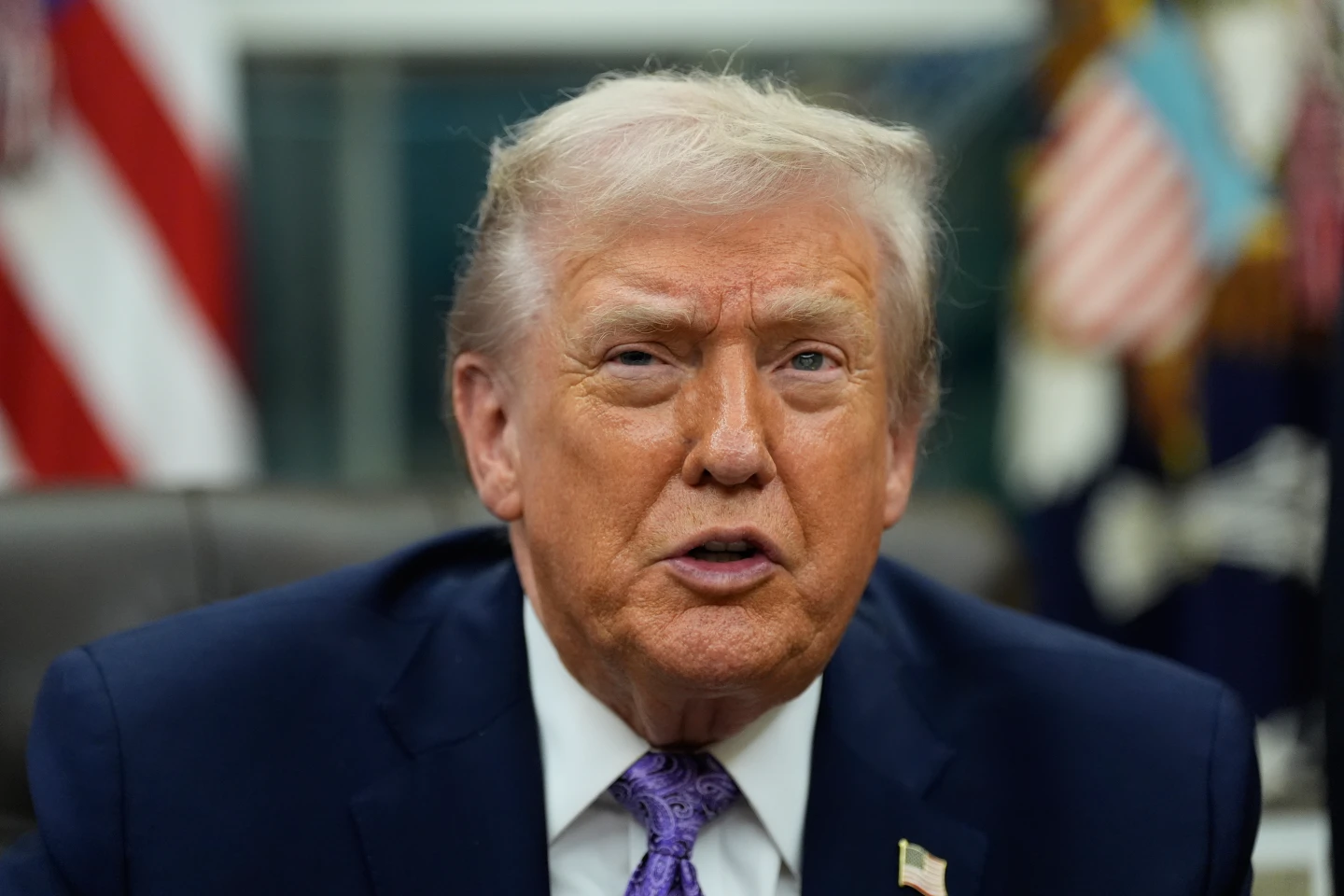
In recent weeks, President Trump's declarations regarding Greenland have ignited a bipartisan wave of dissent among U.S. lawmakers who are concerned about the implications for international relations, especially with NATO allies. Facing Trump's assertions of acquiring the Arctic island, legislators have eagerly sought to clarify that military aggression is not an option.
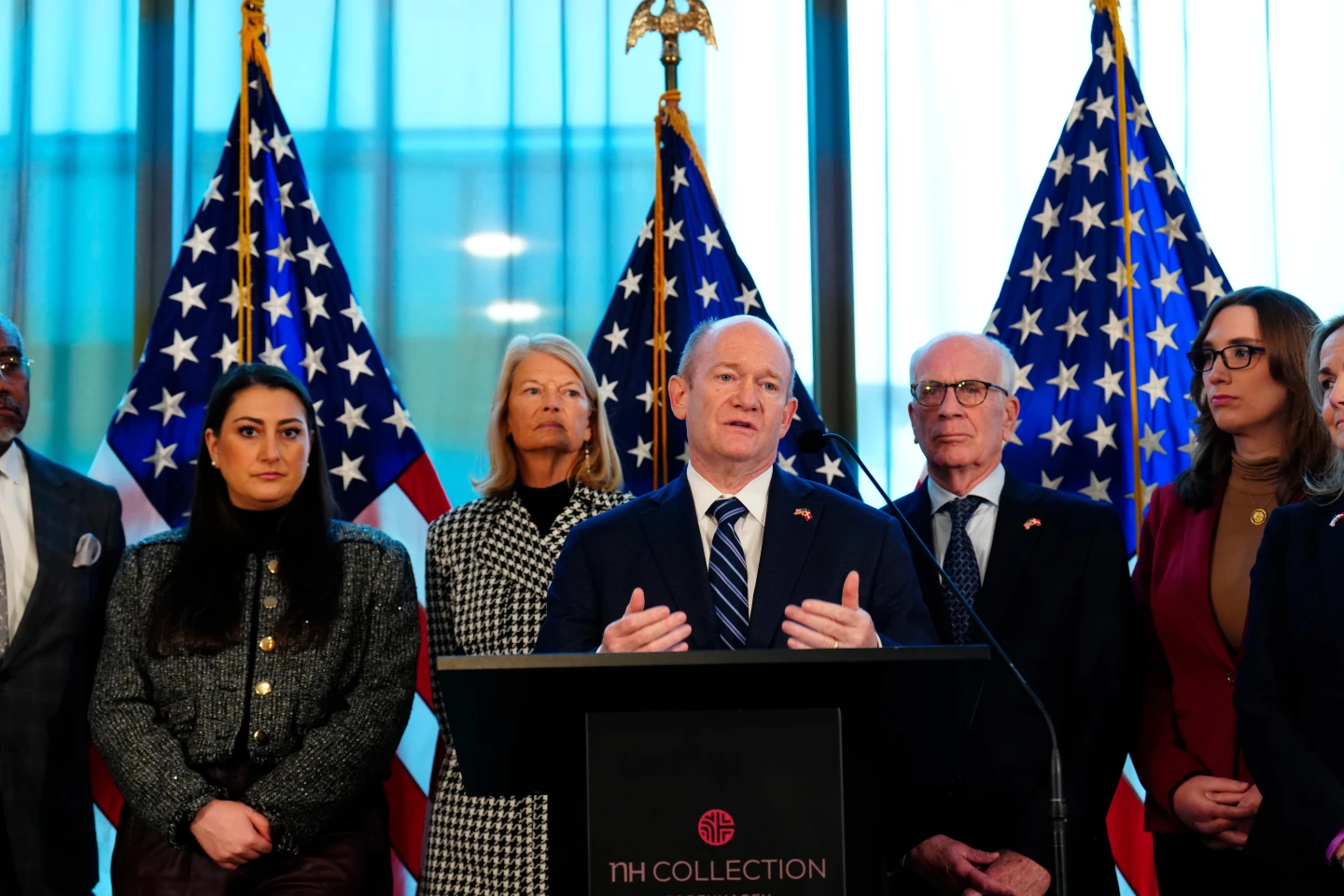
Highlighting the importance of dialogue, Senator Chris Coons organized a bipartisan delegation to Copenhagen to address military and cooperative environmental strategies without resorting to aggression. Coons emphasized the combination of military agreements and sustainable practices in the Arctic as a way forward amidst climate change challenges.
Representatives from both parties gathered to discuss building partnerships with Denmark and Greenland to foster critical mineral industries essential for combatting climate change, as well as to affirm military cooperation in the Arctic region.
Republican Senators like Thom Tillis criticized Trump's proposed tariffs on European goods especially related to Greenland, labeling them detrimental to American businesses and international trust. Alongside him, Senate Majority Leader John Thune and former Republican leader Mitch McConnell cautioned against actions that could sever ties with crucial allies, revealing a political rift on how best to approach foreign policy under the Trump administration.
Unfortunately, Trump's notion of seizing Greenland has raised alarm not only in Washington but globally, prompting discussions about potential U.S. military actions against an ally. The urgency to redirect focus back to environmental issues and partnership development is emphasized as lawmakers critique not just Trump's rhetoric but the potential for it to undermine NATO's long-standing solidarity.
While Congress is exploring legislative measures to prevent military action in Greenland, many remain wary of the president's unilateral strategies. However, there is an emerging recognition of the need for a united American front that prioritizes diplomatic relationships as opposed to aggressive territorial claims, especially in light of a changing climate and shifting global dynamics.