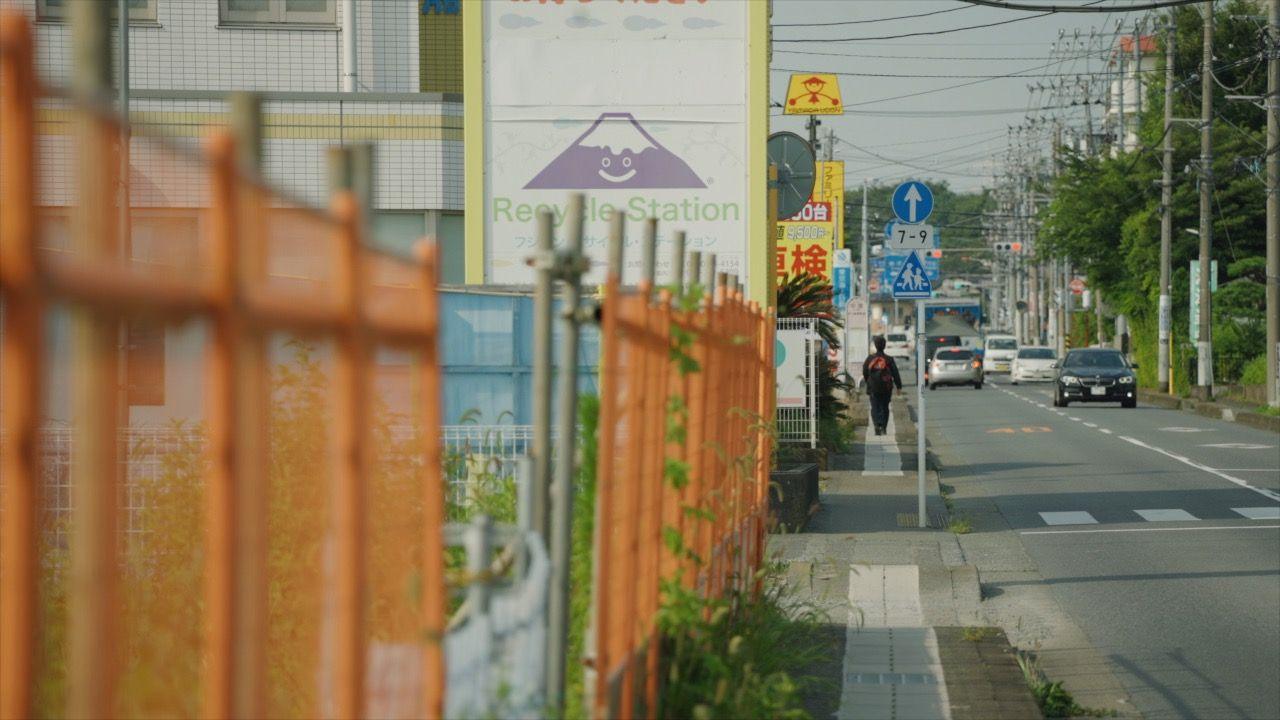
Today, a field of grass in Fujisawa will soon host the first mosque in the town, stirring a mix of emotions among residents.
“It makes me worry about how our community might change,” says longtime resident Noriko Izumizawa, echoing fears of the unknown that have spread across coastal Japan.
The proposal has ignited protests at the local train station, with thousands rallying against a mosque that some claim will eclipse the nearby Shinto shrine. Hate speech and misinformation on social media have intensified, prompting anti‑hate groups to organise counter‑protests.
Hiroki Suzuka, owner of a coffee shop opposite the planned site, stresses the need for dialogue: “I’m not opposed, but I’d also be polarized. The first step is to learn about them, what Islam is, and what values they hold.”
Being Muslim in Japan
Mohamed Mohideen, a 39‑year‑old businessman from Sri Lanka, has lived in Osaka for 39 years. He notes a shift in attitudes toward Muslims, saying “On social media, countless comments like ‘Get out of Japan’ and ‘Go back to your country’ abound.” He still feels safe in his community but urges patience and kindness when confronting hostility.
Mohideen reflects a generational change: “We focused only on work and didn’t make enough effort to help people understand who we are. Going forward, we need more dialogue.”
Similarly, Shakeel Mohamed, the Yashio mosque representative, highlights respectful integration: “We follow Japan’s rules—refuse sorting, parking laws, helmets when cycling, and courteous greetings.” He notes that locals occasionally label the Pakistani community as “Yashio‑stan,” underscoring the subtle tensions.
Immigration vs Identity
Japan’s demographics are shifting fast. Muslim residents rose from 230,000 in 2019 to about 420,000 by 2024, and the foreign residence population exceeded four million in 2025, mainly from East Asia and the Philippines. Despite these figures, Prime Minister Sanae Takaichi has yet to embrace large‑scale immigration, instead raising visa fees and planning to expand enforcement against overstayers.
Fujisawa residents like Izumizawa admit personal peace with Muslims, yet “the truth is, maybe I just fear the unknown.” As local boundaries widen, Japan faces a dilemma: can it maintain a cohesive identity while embracing the diversity of its new citizens?
The story, covering protests, community responses and broader policy dynamics, showcases the complexity of streaming migration into a historically homogeneous society.