In brief
In Loudoun County, Virginia, home to nearly 200 data centers, residents contend with the hum of technology while facing economic benefits and quality of life concerns. Despite the centers generating billions and thousands of jobs, local citizens express worries over noise pollution, rising electricity costs, and lifestyle erosion. Activists are urging regulations to balance economic growth and community preservation amidst the data boom.
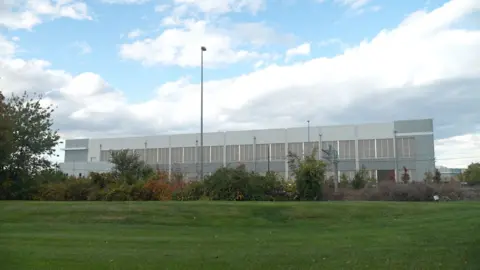
When you cross into Loudoun County, Virginia, one of the first things you notice is the hum - that's the sound of 199 data centres whirring in the background.
Few people have heard of this inconspicuous part of northern Virginia, which also happens to be the wealthiest county in America. But Loudon was on everyone's radar earlier this week, when a massive global Amazon outage downed everything from crucial banking services to fun Snapchat streaks for millions.
That's because the county is home to the world's largest swath of data storage and processing facilities - even outpacing China.
Data centres - dedicated spaces for computer systems that help power the internet and artificial intelligence - are essential to our global connectivity.
But while they have proven to be a lucrative business - contributing billions to the local economy - some residents worry the cost comes at too high a price.
There are some 200 facilities taking up about 45 million square metres in Loudoun, giving the county the nickname Data Center Alley.
Data centres take up 3% of the total land area of the county and 40% of its budget. And now more facilities are on their way.
Emily Kasabian was walking her newborn son along her picturesque neighbourhood road when she saw something that stopped her in her tracks: a sign for a proposed data centre across the street. Many of her neighbours chose to live in this area to be away from the encroachment of data centres.
“I never thought that a data centre would be built across the street from my house," she said. “I would not have bought this house if I had known what was going in across the street."
The presence of these large facilities not only alters the landscape but also brings noise pollution. Greg Pirio, who lives near a data centre, has witnessed wildlife disappearing from the area due to the continuous humming noise.
In addition to rising electricity bills, which have surged by as much as 267% in areas near data centres, local frustration is palpable. Despite ongoing opposition from residents, supporters highlight the economic benefits and job creation from these centres.
While critics, including residents and activists, argue that these developments threaten quality of life and call for unity against further construction, data centres are deemed integral to modern economic growth, especially for emerging technologies like artificial intelligence.
With over 1,100 data centres across the US, more than 400 new centres are under construction, leading to continued tension between community interests and business expansion.
Advocates like Emily Kasabian are striving for a compromise: “This is a beautiful place to live, but if this type of development continues, we will start to see the consequences of that soon unless we start to course correct in a very major way.”