In brief
Australia is grappling with its worst loss of biodiversity in decades, with far-flung species falling from grace under the weight of invasive pests, climate change and habitat loss. Amid this crisis, the numbat—once thought nearly gone—has been lifted from the endangered list and seen steady population growth in its home, Dryandra Woodland. Conservationists keep the species alive through intensive field surveys, predator control, and breeding programs, highlighting how grassroots science can turn the odds in favour of a species. Yet the gains are fragile: recovery still requires sustained funding, stronger laws, and public commitment to prevent further mass extinctions.
The continent that once promised an exotic haven for wildlife is now the world’s hotspot for species loss, with four animal or plant species being declared extinct every decade. The downward trend is powered by the relentless march of feral cats, foxes, rabbits and disease, coupled with land‑clearance for urban expansion, mining and agriculture.
A glimmer of resilience: the numbat
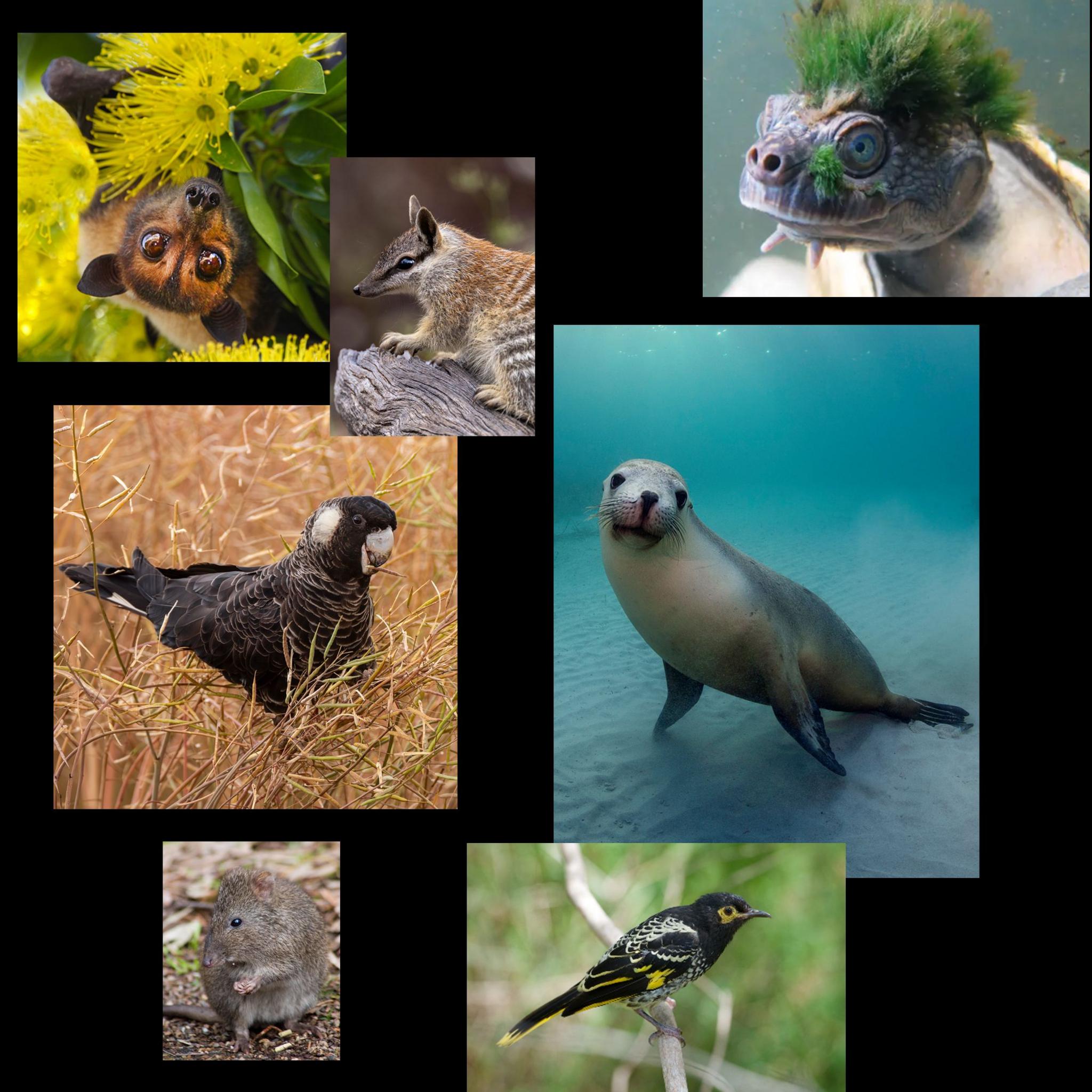
It is against this backdrop that one marsupial has managed to defy the odds. The numbat, a tiny, soil‑dwelling mammal that once roamed much of southern Australia, survives only in isolated pockets like Dryandra Woodland in southwestern WA. Recent surveys record about 3,000 animals nationwide and the species has been removed from the international “endangered” list, now classified as near‑threatened.
Every spring, a small team of volunteers and researchers drives a pick‑up around Dryandra’s undulating bush, patiently scanning logs and scrub for the numbat’s distinctive pale stripes. GPS‑tracked sightings allow modelling of population density and help set conservation priorities.
The broader threat landscape
Feral cats alone kill an estimated 3 billion Australian animals each year. Co‑occurring pressures include invasive weeds such as lantana, disease‑killer chytrid fungus, and in‑season bushfires that have killed an estimated three billion animals between 2019‑2020. Climate‑driven heat waves are forcing native flying foxes out of trees, while sea‑level rise threatens marine mammals.
Despite these challenges, conservation funding roars under‑funded: the federal government spends around A$700m on nature protection, a fraction of the A$33bn it would need to match global pledges to reverse the loss of ecosystems. Funding is compounded by subsidies of A$26bn to mining, intensive agriculture and fuel industries.
Political will and policy rhythm
The 2022 Labor government pledged no new extinctions, captured headlines by repealing the salmon‑farming law and signed a new framework of environmental protections. Yet critics argue that the reforms are merely scaffolding, lacking adequate enforcement and public support.
Without the political courage to enact tough regulations and match them with substantial budgets, the gains of the numbat will crumble. Conservationists warn that the “win” for the numbat is fragile—again, vulnerable to habitat loss and predator resurgence.
A small victory, a big lesson
The numbat’s revival demonstrates that regulated, science‑driven field work, coupled with community volunteers, can reverse a species’ near‑extinction. Yet the story also shows that recovery requires additional backdrop—healthy habitats, predator control, public investment, and robust law.
Australia still stands at the precipice of a sixth mass extinction. The country’s biodiversity underpins everything from food production to First Nations culture, so the loss of even one species paints a bleak future. The numbat can keep shining if the nation remembers to provide the supportive ecosystems that allow its future to flourish.
For Australia to reverse this trend, it must translate conservation successes into systematic, nationwide policy that taps into the country’s wealth and scientific talent. The numbat’s story is a blueprint—it proves that with hard work, strict protection, and community passion, even the most endangered species may beat back extinction’s shadow.