In brief
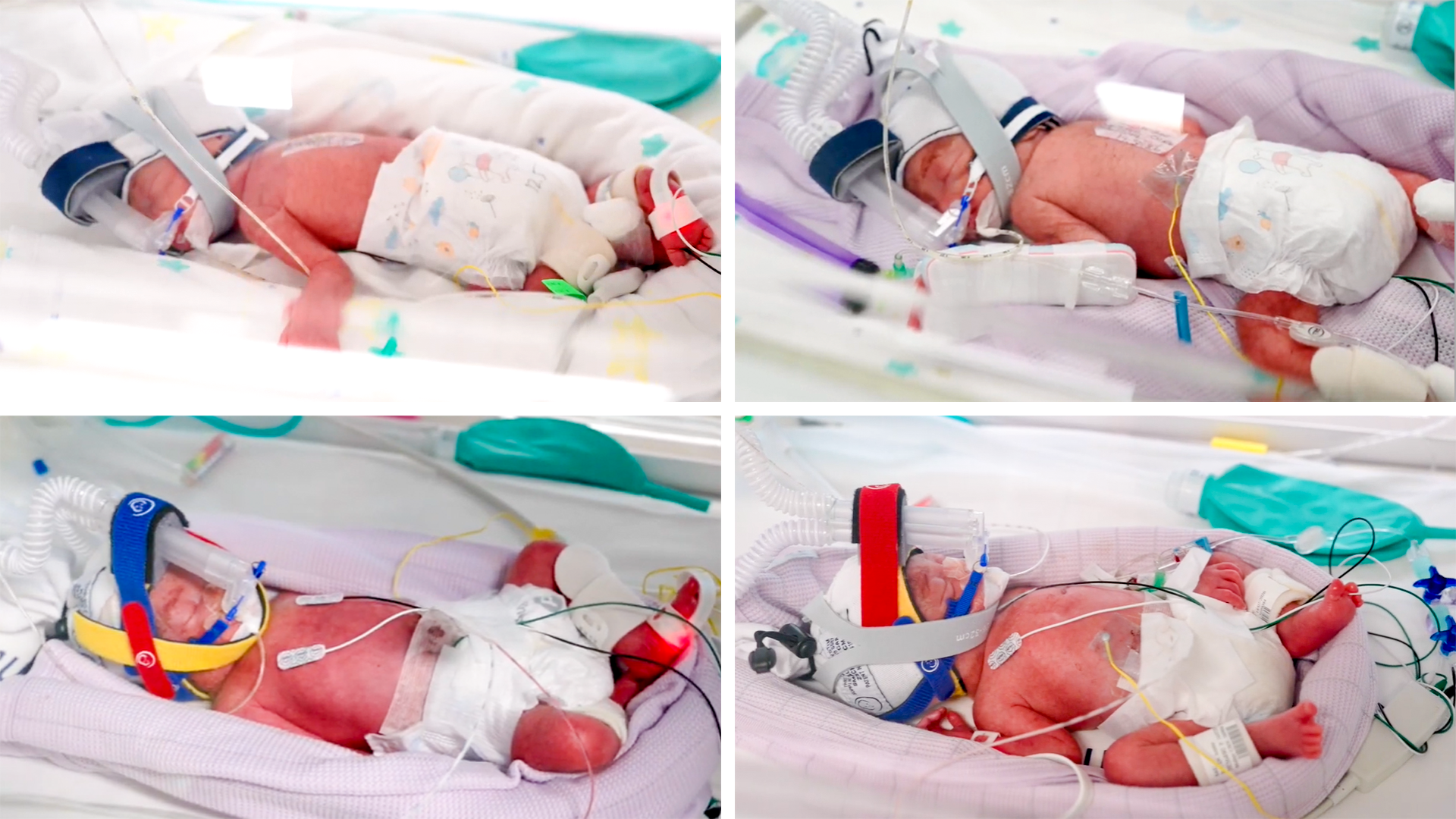
Australian mother Jenitar Na’amoana gave birth to identical quadruplets on 14 July 2026 after a high‑risk pregnancy managed at Royal Brisbane and Women’s Hospital. Delivered via C‑section at 28 weeks, the babies—Emily, Harriet, Catherine and Alexa—are now in neonatal care and doing well. Doctors estimate an odds of one in 15 million for monozygotic quadruplets. The family has raised over A$37,000 through a fundraiser to support the newborns.
An Australian woman has given birth to rare, naturally conceived identical quadruplets after a pregnancy described as "extremely high risk" by Royal Brisbane and Women’s Hospital.
The four girls were delivered via caesarean at 28 weeks and four days on 14 July. They are monozygotic quadruplets—one fertilised egg split into four embryos—an event occurring in just about one in 15 million pregnancies.
The mother, 34‑year‑old Jenitar Na’amoana, and her husband Jortham were already parents to four children. They were "immense surprised" when told to expect quadruplets, Dr Alexa Bendall, a maternal foetal medicine specialist, said.
Dr Bendall highlighted that sharing a placenta in a quadruplet pregnancy is unheard of and that the case was a "very high‑risk" situation. She admitted the mother at 25 weeks for close monitoring, hoping to push the delivery past 28 weeks, which proved successful and brought the four healthy babies into the world.
The newborns were named Emily, Harriet, Catherine and, in tribute to Dr Bendall, Alexa. They are currently in the neonatal intensive care unit, doing extremely well, and will remain until their development reaches full term.
The family’s online fundraising campaign—already raising more than A$37,000—supports a new van to accommodate the growing family, whose other children range from one to ten years old.
Natural identical quadruplets are incredibly rare, with doctors estimating odds of one in 700,000 births for such clustering.