In brief
Japanese journalist Yuki Imai was arrested in Sakhalin on espionage charges, a move that highlights growing tensions over the Kuril Islands. The case illustrates how security concerns can spill over into scientific arenas, threatening the flow of climate data across borders. Researchers in the region, who rely on shared satellite imagery and field studies, warn that restrictions may delay critical insights into permafrost thaw and marine biodiversity. Amid calls for freedom of inquiry, the international climate community must safeguard independent observers to continue delivering evidence‑based solutions for climate resilience.
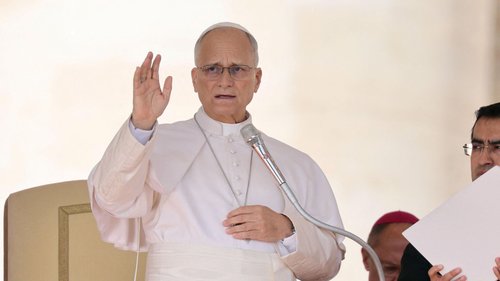
Photo by TASS, provided by Russia's Federal Security Bureau.
In the far eastern region of Sakhalin, Russian authorities detained Japanese journalist Yuki Imai, who had been covering Russia’s relationship with North Korea and environmental conditions on Sakhalin. The arrest, carried out a day before Imai was scheduled to depart, is framed by Moscow as a response to alleged espionage instructions from Tokyo.
While the headlines focus on security, the fallout risks stalling one of the most urgent arenas of international cooperation: climate science. Cross‑border research projects in the Kuril archipelago rely on uninterrupted data sharing, and now a geopolitical rift threatens the flow of satellite imagery, sea‑level measurements and biodiversity surveys that are key to predicting regional impacts of warming seas.
Experts warn that heightened tensions could silence scientific voices that previously worked openly with Russian institutions to monitor permafrost thaw, methane emissions from eastern Siberia, and the health of the biodiverse Kuril waters. If political disputes block access to field sites or arrest independent researchers, the larger goal of evidence‑based policy could be delayed.
The incident echoes a trend in recent years where journalists and scientists alike have been targeted for their work in Russia. German whistleblowers and the American journalist Evan Gershkovich, who was released in 2024 in a high‑profile swap, illustrate a climate of suspicion that might extend beyond headline‑grabbing stories.
For the international environmental community, the priority remains clear: safeguarding the rights of independent observers and data collectors. Collaborative frameworks, such as the Arctic Council and the Cape Verde conference on climate‑critical marine ecosystems, depend on a stable, free exchange of information. Any shift toward isolation risks eroding the shared knowledge needed to confront climate change.
As Japan’s Foreign Minister and Russia’s government engage on a wider scale, the environmental sphere stands on precarious ground. The next few months will test whether geopolitical friction can be balanced with the shared urgency of climate resilience and sustainable development.