Two Russians Handed Prison Sentences in Angola
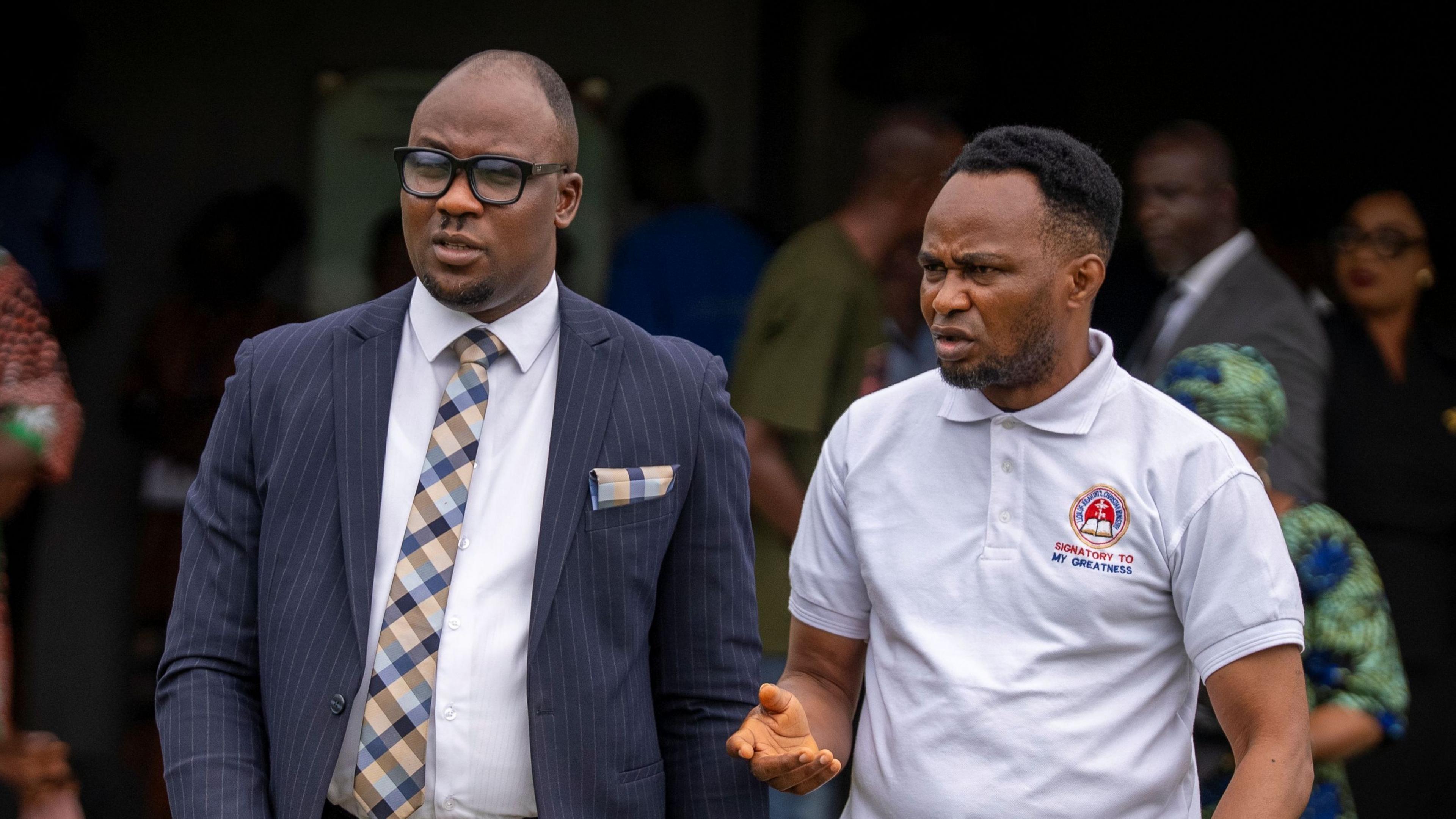
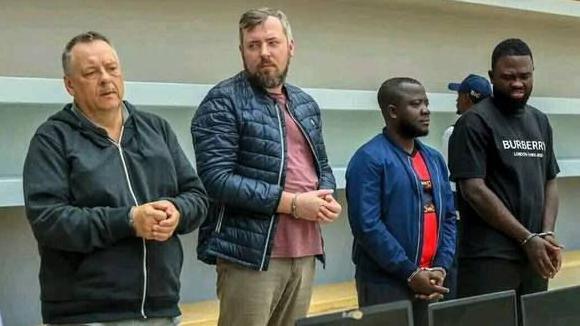
A high‑profile criminal court in Luanda has sentenced Russian translator Lev Lakshtanov to eight years and political consultant Igor Ratchin to 11 years for terrorism, espionage and political manipulation.
The prosecution alleged that the pair were behind a political influence operation linked to the former Wagner mercenary group, operating under the banner of “Africa Politology”. They were accused of stirring anti‑government protests, distributing disinformation and attempting to interfere in Angola’s 2025 presidential election.
The defendants denied any association with Russia’s state or Wagner forces, insisting the meetings they had with local politicians were unrelated to any illicit activity. Lawyers later requested the suspects’ extradition to Russia under bilateral agreements, though it is unclear whether the request was approved.
Angolan prosecutors further charged that the two paid local journalists and experts more than $24,000 (about £18,000) to spread pro‑Russian and anti‑government content aimed at provoking political change. They cited notes, photographs and device material found during the trial as evidence.
While the Russians pleaded not guilty, the court found them guilty of four of the eleven charges, notably criminal association, espionage, terrorism and illegal retention of currency. The case was read after 23:00 local time, with an appeal filed immediately, though the court’s decision was upheld.
In parallel, Angolan citizens Amor Carlos Tomé (sports journalist) and Francisco Oliveira (political activist) faced similar accusations. Tomé received a two‑year suspended sentence, while Oliveira was acquitted. Tomé remains in custody pending the appeal.
Prosecutors indicated the defendants had played a role in organising the deadly unrest in Angola during 2025, while the defence highlighted factual errors and misspellings in the indictment. They also argued that the formal reading of the indictment in court was optional, and that public hearings required a full statement of allegations.
An early report from Angola’s Nuevo Jornal described how Lakshtanov claimed an academic career incompatible with terrorism, and how Ratchin said he had come to Angola to open a Russian cultural centre and was surprised by the arrest.
The broader narrative highlights the danger of transnational political influence operations in Africa, underlining how clandestine networks can undermine democratic processes and spark violence. As international communities grapple with information warfare, the Angola case serves as a cautionary example of the far‑reaching ripple effects of geopolitics.