In brief
An Amazon cargo Boeing 767‑300 crashed at Miami International Airport after overshooting the runway, a flight data analysis showed the pilot repeatedly warned of excessive speed but received inconsistent responses. The NTSB reports the plane’s approach speed reached the high end of the safe landing window, while automated alerts flagged a steep descent and terrain proximity. The incident killed five crew members and injured five others, prompting scrutiny of cargo logistics practices that may prioritize speed over safety. Amazon’s sustainability initiatives are now under review as the company looks to improve safety in its fast‑delivery fleet.
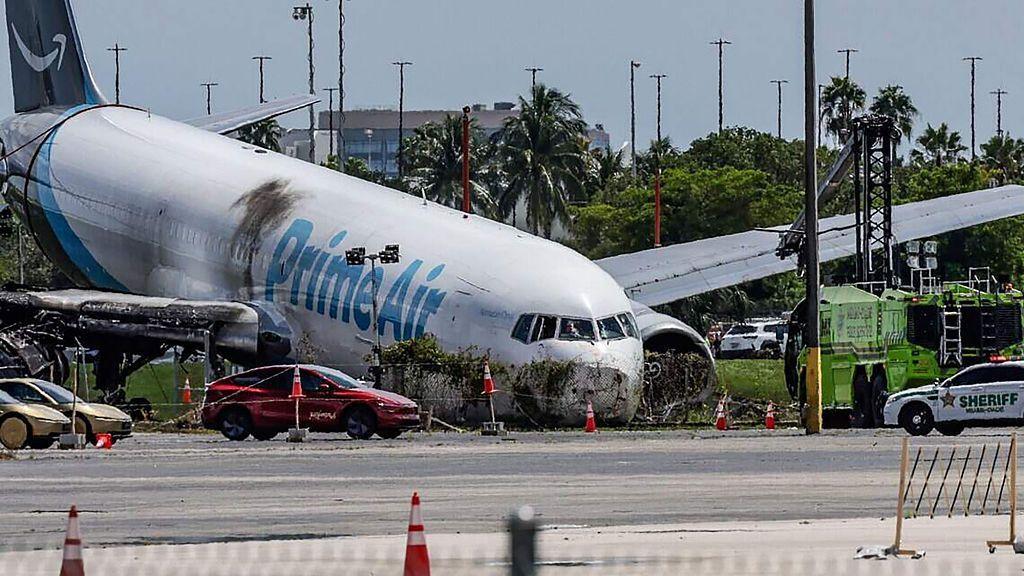
On Sunday, a Boeing 767‑300 cargo aircraft operated by Amazon Prime Air crashed at Miami International Airport after overshooting the runway and striking vehicles on the tarmac. The National Transportation Safety Board (NTSB) has released flight‑data recorders that show the pilot repeatedly cautioned the other crew member that the aircraft’s speed was excessive, but the verbal response was inconsistent even while an altitude alarm sounded.
The plane’s approach speed climbed to 158 knots (292 km/h), which sits at the high end of the safe landing envelope, and automated systems issued a "sink‑rate" callout and a "too low terrain" warning in the final minutes before impact. Flap deployment—critical for reducing speed—occurred late in the sequence, indicating the pilots were still dealing with the overspeed problem.
The investigation identified that five people died, including a plane‑cleaning crew, while five others were injured. The NTSB is probing why the aircraft failed to execute a proper approach with a margin that balances speed, safety, and fuel efficiency—key considerations in a sector that is increasingly scrutinized for its environmental footprint.
Beyond the immediate safety concerns, the crash raises broader questions about Amazon’s cargo logistics model, which aims to deliver goods rapidly while reducing carbon emissions. The company claims it is pursuing sustainable aviation practices, yet incidents like this could compel a shift toward more conservative speeds and more robust pilot training to protect both people and the environment.
As regulators examine the incident, airlines and logistics operators are expected to revisit flight‑path strategies and crew‑resource management, ensuring that the push for faster deliveries does not compromise runway safety or contribute to higher emissions from rushed flight profiles.