In brief
Recent reports reveal that early arrivals at airports, driven by anxiety over potential delays and security wait times, are inadvertently exacerbating congestion at security checkpoints. Airports, like John Glenn International in Ohio, urge passengers to arrive no more than 90 minutes before departure to avoid crowding issues. Despite some airports managing wait times well, others are severely impacted by TSA staffing shortages, contributing to an unpredictable travel experience. Experts suggest passengers should monitor TSA wait times rather than succumbing to panic.
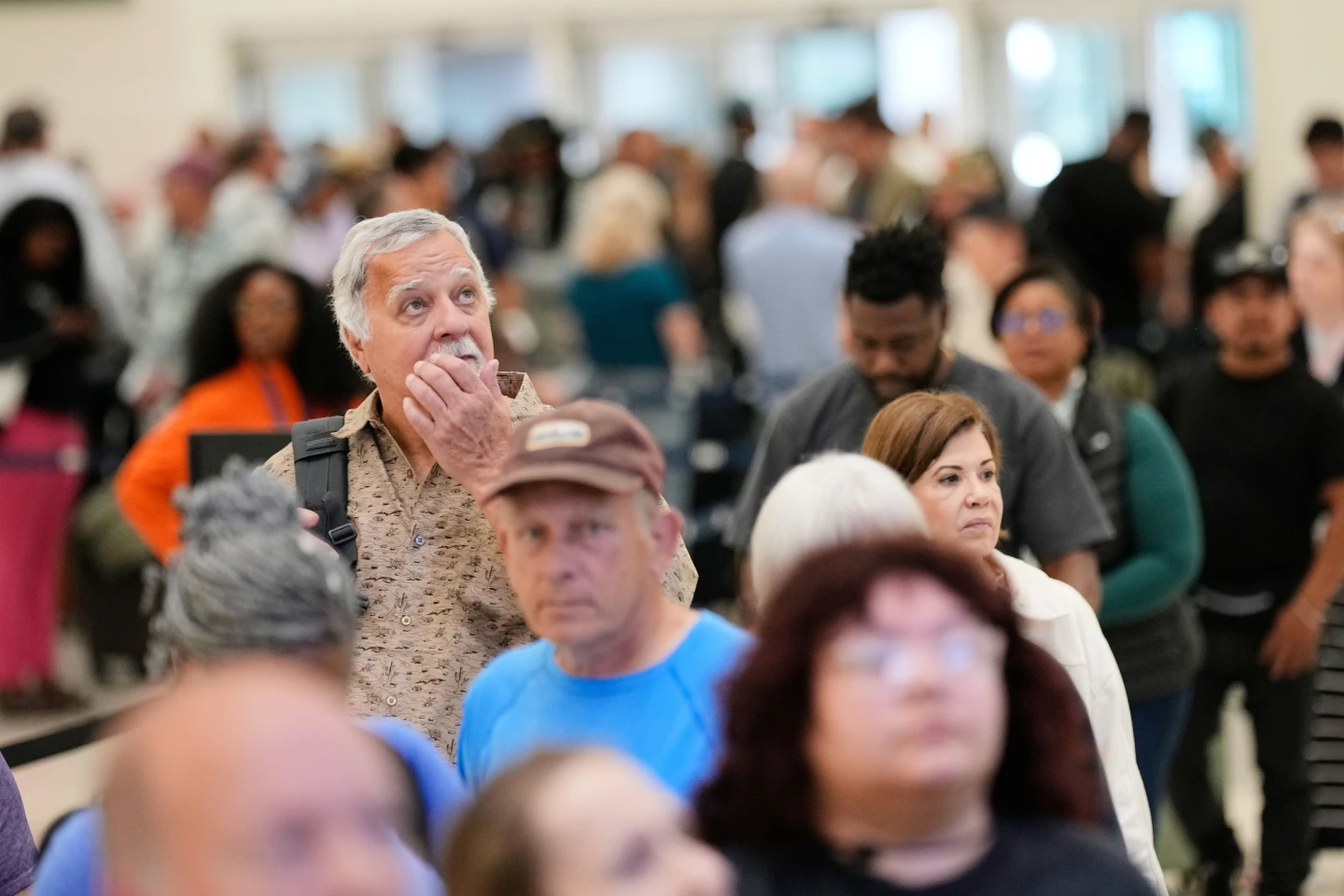
With images of packed security lines and stories of missed flights dominating the news, travelers across the U.S. are increasingly anxious about airport wait times. To mitigate chaos, some airports, particularly John Glenn International in Columbus, are advising that early arrivals can lead to longer lines and increased congestion during peak travel periods.
John Glenn International has publicly communicated that arriving more than 90 minutes before flight departure is counterproductive. This recommendation is underscored by officials who note that overly early arrivals can create bottlenecks just as peak travel times commence, contributing to longer wait times at security. In a recent social media post, they emphasized, Arriving too early can actually create longer lines right when we open. Spacing out arrival times helps keep things moving smoothly for everyone.
While some airports manage to maintain reasonable wait times, others, like George Bush Intercontinental Airport in Houston, are facing extreme challenges with wait times soaring to four hours as a result of staffing shortages attributed to ongoing budget-related uncertainties at the Transportation Security Administration (TSA).
The unpredictability of airport security lines has made it complicated for passengers to determine the best time to arrive, which has led to widespread fear and anxiety reminiscent of panic buying during the early COVID-19 pandemic days. Shari Botwin, a clinical social worker from Philadelphia, points to human nature's inclination to seek control amid uncertainty as a driving factor for the current travel-related anxiety.
Experts recommend that passengers check TSA wait times via official channels rather than succumbing to the panic-inducing narratives prevalent in media. By doing so, travelers can make informed decisions that align with current conditions without exacerbating the already strained airport systems.