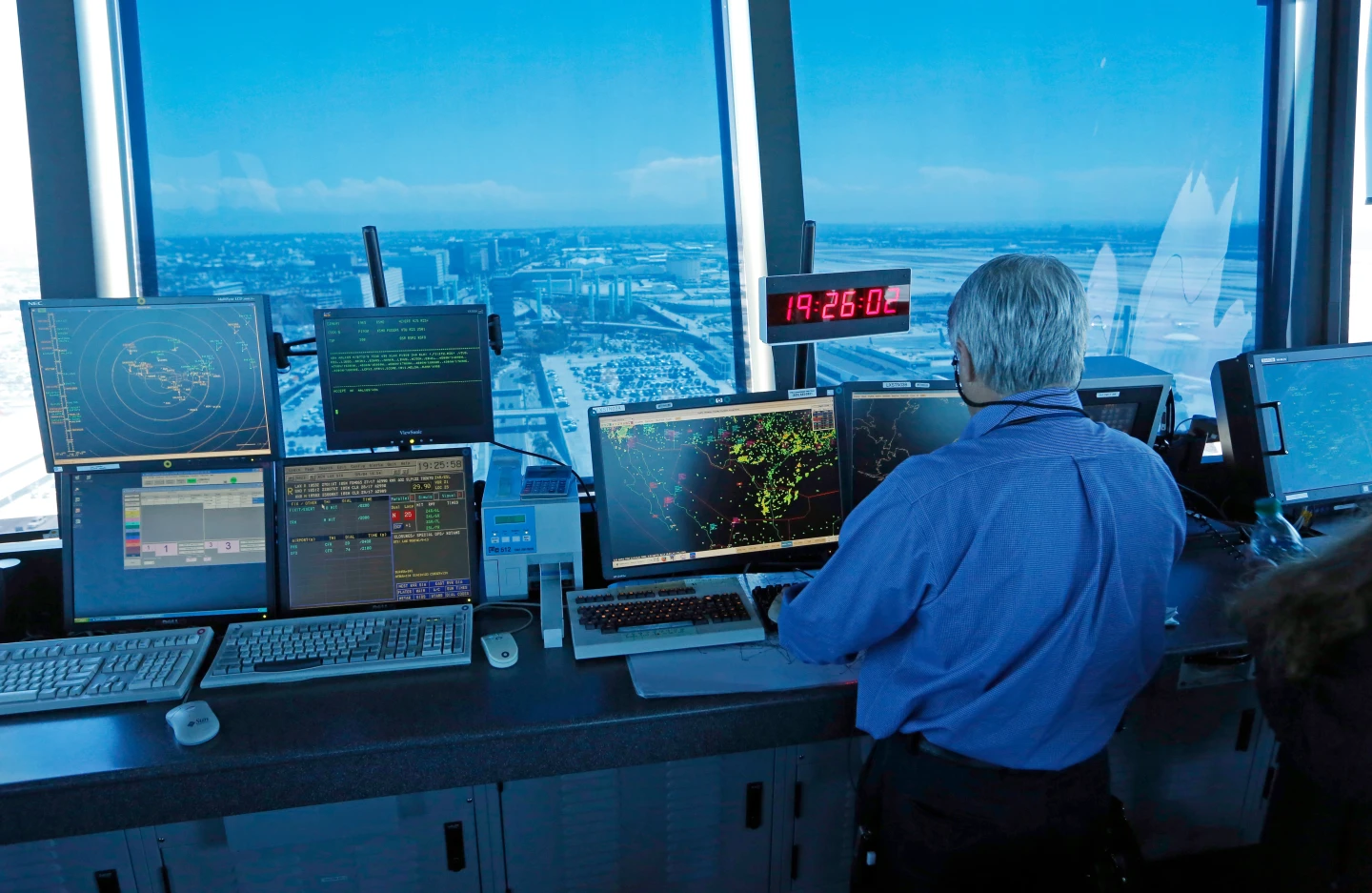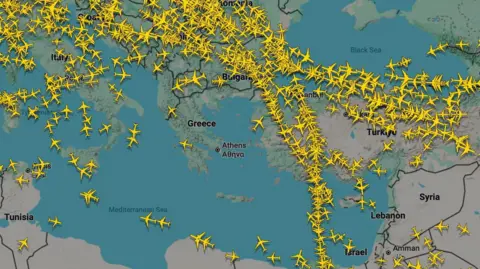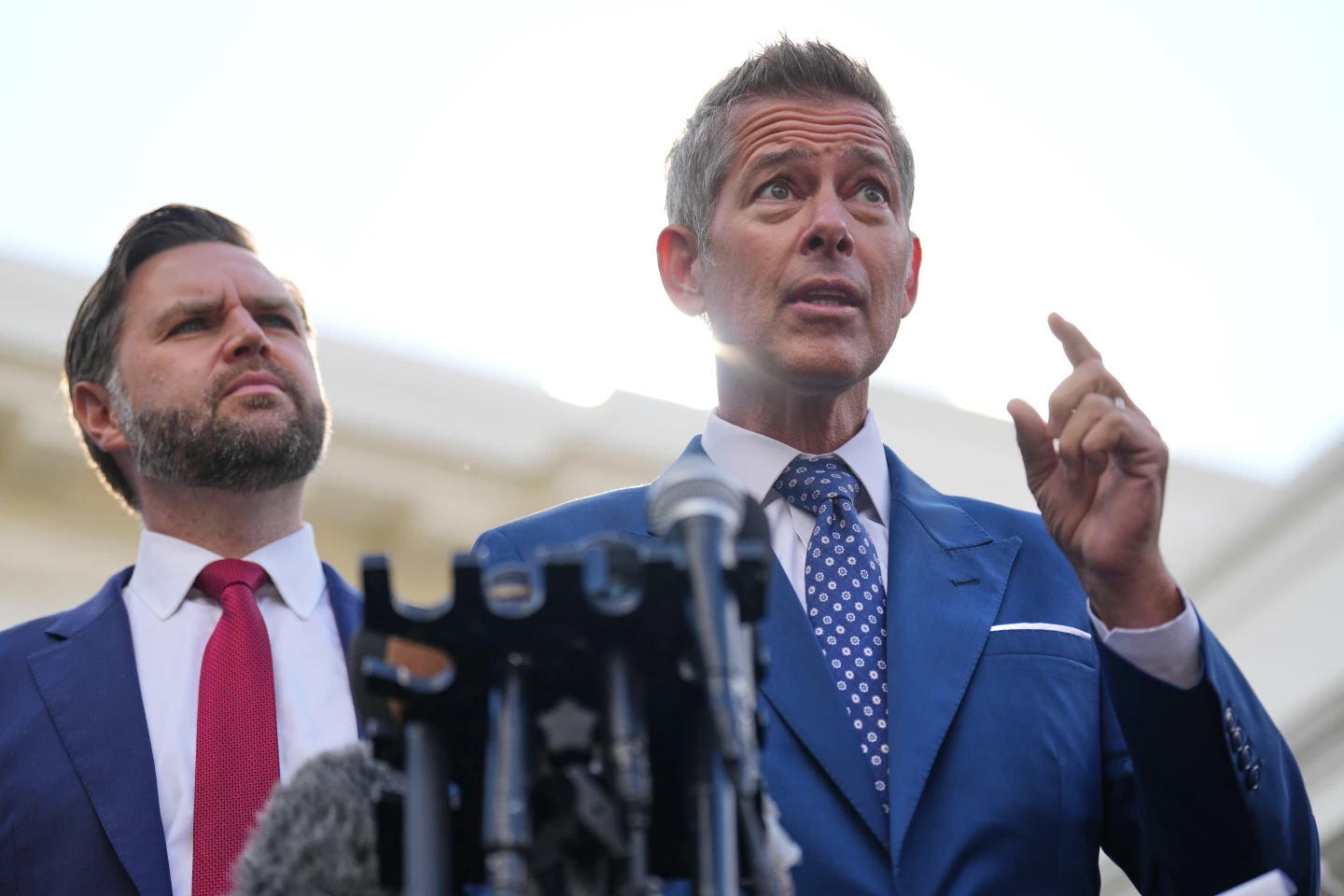
Transportation Secretary Sean Duffy warned this week that a continuing government shutdown could lead to major disruptions in air travel. If air traffic controllers miss a second paycheck, it could result in significant chaos in the skies, impacting millions of travelers.
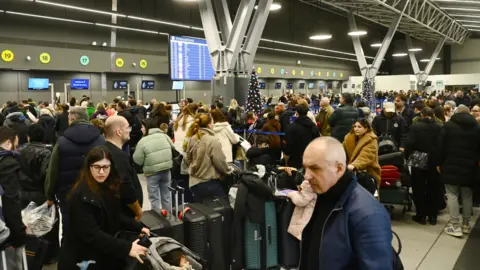
Since the government closure began, airports across the U.S. have reported numerous delays due to staffing shortages at the Federal Aviation Administration (FAA). Duffy noted that the situation has already become critical; flights at major airports, including Newark Liberty International Airport, experienced lengthy delays this past weekend. He stated, If you bring us to a week from today, Democrats, you will see mass chaos. You will see mass flight delays. You’ll see mass cancellations, and you may see us close certain parts of the airspace, because we just cannot manage it because we don’t have air traffic controllers.
Duffy's concerns are echoed by the head of the air traffic controllers union, who warns of compounded issues as controllers face financial pressures from missed paychecks. The FAA has confirmed that employees missed a paycheck on Oct. 28 and are due for another one shortly. Controllers and their representatives are urging them to continue reporting to work despite these pressures.
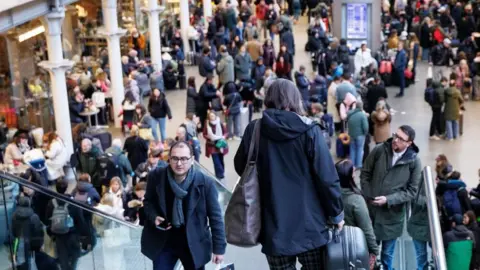
As flight disruptions continue, the travel industry is looking to Congress for quick action to end the shutdown. The U.S. Travel Association estimates that the economy has already lost over $4 billion due to the shutdown, and the fallout could escalate — especially with the Thanksgiving holiday travel approaching. They emphasize that a continued shutdown during this peak travel season could economically devastate communities across the country.
With aviation analytics firm Cirium reporting that only about 56% of Newark's flights were on time recently, and other airports like Orlando facing similar delays, the call for a swift resolution to the government shutdown has never been more urgent. The FAA continues to monitor staffing levels closely to mitigate further delays in air traffic.
<