In brief
Following a ceasefire, the daunting reality of recovery begins as Gazans confront destruction, trauma, and the urgent need for humanitarian aid.
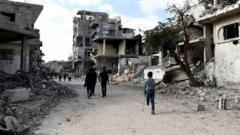
Amidst the rubble left by a 15-month-long conflict, Gaza's residents and rescue workers are grappling with the immense scale of death and destruction on the first full day of ceasefire. The Gaza Civil Defence agency estimates that over 10,000 bodies are still buried beneath the debris. However, hopes of recovery are hampered by a severe shortage of bulldozers and crucial equipment, according to spokesperson Mahmoud Basal.Images released following the ceasefire on Sunday paint a harrowing picture of devastation, particularly in northern Gaza, where the UN estimates that 60% of buildings have been significantly damaged or completely destroyed. Although the sound of bombing has faded, celebrations are overshadowed by a desperate humanitarian crisis that shows no signs of immediate relief. The UN World Food Programme indicated that over two million people in Gaza are now homeless and wholly reliant on food aid for survival.Aid began flowing into Gaza immediately post-ceasefire, with at least 630 trucks bringing essential supplies—marking the highest delivery since the onset of war. Sam Rose, from the UN’s Palestinian refugee agency UNRWA, stresses that recovery will necessitate much more than physical aid; mental health, community rebuilding, and infrastructure enhancement are also critical components of the revival process.In Israel, families of recently released hostages expressed mixed emotions of relief and sadness. While they celebrated the return of their loved ones, they acknowledged the ongoing pain of others who remain separated from their families. The government facilitated this hostage exchange, with plans to potentially release further hostages if the ceasefire remains intact.Health authorities in Gaza report that the war has resulted in approximately 46,900 fatalities, a number believed to be underestimated. The Gaza Civil Defence agency revealed that nearly half of its personnel have been killed or injured during the conflict, while significant portions of their operational equipment were damaged or destroyed.Despite the end of aerial bombardment for now, the grim recovery efforts persist. Rescue workers continue to search through debris, recovering remains and calling for the families of those still trapped beneath wreckage. Abdullah Al-Majdalawi, a Civil Defence worker, highlighted the ongoing challenges by noting the heavy presence of bodies in nearly every street and neighborhood.As displaced residents attempt to return to their homes, many are confronted with the daunting task of assessing the damage and facing the harsh realities of living without basic utilities. Concerns linger over the ceasefire's sustainability, with both sides wary of potential renewed hostilities as they navigate the precarious balance of rebuilding amid ongoing tensions.In a statement to the UN Security Council, UN Secretary-General Antonio Guterres emphasized the need for adherence to ceasefire agreements while alerting the international community to the escalating violence in the occupied West Bank, which has seen rising tensions and an increase in settler attacks against Palestinian communities.As Gaza continues to navigate this uncertain period, the need for comprehensive recovery efforts and humanitarian aid has never been more urgent, signaling a long and arduous journey ahead towards rebuilding lives and hope.