In the aftermath of prolonged conflict, the Gaza Strip witnesses the beginning of an arduous journey home for thousands who have been uprooted for over 15 months. Although the distances may be short, the surrounding uncertainty looms large for those returning to a war-torn landscape. Gazan journalist Ghada el-Kurd, preparing to re-enter her community, describes the dire conditions awaiting them, stating, "We have to re-establish again from the beginning, from zero."
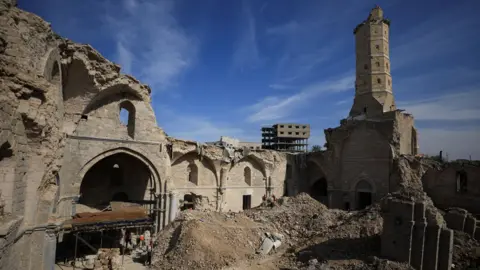
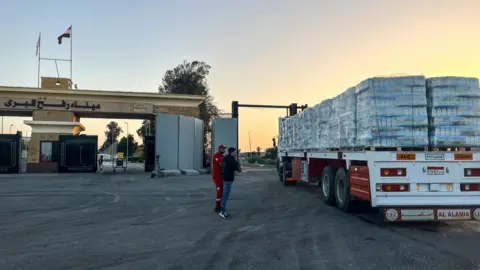
Despite the ongoing humanitarian crisis, assistance from international organizations has ramped up. Sam Rose from the UN's Palestinian refugee agency, Unrwa, noted that aid is flowing to meet the dire needs for food and shelter, albeit only at minimal levels. The challenge remains monumental, with estimates indicating that a staggering 70% of Gaza’s buildings suffered severe damage or destruction since the onset of conflict in October 2023.
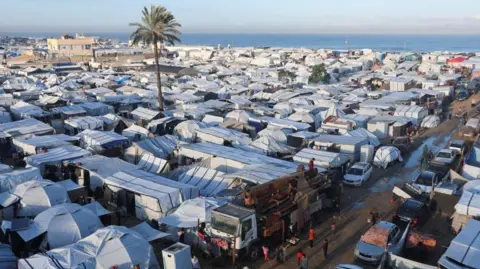
While about 700,000 people fled from the worst-hit areas, many sought refuge elsewhere within Gaza, sometimes leading to a secondary crisis of displacement among those who had initially remained. Gazans now face an immediate need for shelter as the Gaza government urgently appeals for tens of thousands of tents. UN agencies are only managing to deliver a fraction of what is needed, emphasizing the difficulty in sourcing manufactured tents worldwide.
Compounded by the pressure of returning refugees, the situation is creating new strains on remaining resources. As living conditions deteriorate, tensions among families sharing homes escalate, with reports of overcrowding and rising costs in local markets for essential goods already emerging. One resident shared her disappointment at the skyrocketing prices of everyday items, expressing concern over the fragile balance of supply and demand.
Amid these adversities, some displaced individuals convey optimism about returning to their roots, emphasizing a desire for comfort and dignity. However, broader implications loom over the region, particularly concerning proposals for resettlement by figures like former President Donald Trump, which has been met with sharp criticism from neighboring governments.
Recognizing the necessity for more significant international support, Gazans are understandably anxious about the prospects of a feasible reconstruction process. Gazan journalist Ghada el-Kurd notes that without a focused effort to restore hope and living conditions in Gaza, many might be compelled to seek refuge elsewhere, raising fears for those who cannot escape the ongoing turmoil.
As Gaza embarks on the complicated journey of restoring itself, the path is clear: without swift action, both local and international, to rebuild infrastructure and support the inhabitants, a heartbreaking reality may force even more families to leave their homeland in search of a better life.
Despite the ongoing humanitarian crisis, assistance from international organizations has ramped up. Sam Rose from the UN's Palestinian refugee agency, Unrwa, noted that aid is flowing to meet the dire needs for food and shelter, albeit only at minimal levels. The challenge remains monumental, with estimates indicating that a staggering 70% of Gaza’s buildings suffered severe damage or destruction since the onset of conflict in October 2023.
While about 700,000 people fled from the worst-hit areas, many sought refuge elsewhere within Gaza, sometimes leading to a secondary crisis of displacement among those who had initially remained. Gazans now face an immediate need for shelter as the Gaza government urgently appeals for tens of thousands of tents. UN agencies are only managing to deliver a fraction of what is needed, emphasizing the difficulty in sourcing manufactured tents worldwide.
Compounded by the pressure of returning refugees, the situation is creating new strains on remaining resources. As living conditions deteriorate, tensions among families sharing homes escalate, with reports of overcrowding and rising costs in local markets for essential goods already emerging. One resident shared her disappointment at the skyrocketing prices of everyday items, expressing concern over the fragile balance of supply and demand.
Amid these adversities, some displaced individuals convey optimism about returning to their roots, emphasizing a desire for comfort and dignity. However, broader implications loom over the region, particularly concerning proposals for resettlement by figures like former President Donald Trump, which has been met with sharp criticism from neighboring governments.
Recognizing the necessity for more significant international support, Gazans are understandably anxious about the prospects of a feasible reconstruction process. Gazan journalist Ghada el-Kurd notes that without a focused effort to restore hope and living conditions in Gaza, many might be compelled to seek refuge elsewhere, raising fears for those who cannot escape the ongoing turmoil.
As Gaza embarks on the complicated journey of restoring itself, the path is clear: without swift action, both local and international, to rebuild infrastructure and support the inhabitants, a heartbreaking reality may force even more families to leave their homeland in search of a better life.