In brief
Amid the majestic backdrop of the auroras, JD Vance's message during his visit to Greenland presented a stark vision of strategic importance, sparking debate on the island's future against encroaching foreign interests.
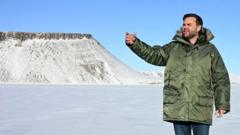
Late Friday evening, as the awe-inspiring northern lights illuminated the skies above Greenland’s capital, Nuuk, US Vice-President JD Vance's visit underscored the complexities of geopolitical interests battling for influence over the island. The backdrop of swirling, vibrant colors in the sky seemed to symbolize a poignant moment in the Arctic, where the challenges and aspirations of Greenland are more relevant than ever.The visit, meant to emphasize the U.S. commitment to Greenland, instead sent uncomfortable ripples through a population already grappling with questions concerning potential dependency. Vance’s assertion that the U.S. does not foresee military coercion echoed throughout the military base he visited, yet coupled with a daunting reality: China’s interests loom large, and Greenland must reconsider its relationships if it hopes to safeguard its sovereignty and mineral wealth."We can't just bury our head in the snow and pretend that the Chinese are not interested in this very large landmass," Vance insisted during his remarks, reflecting a sense of urgency regarding the shifting balance of power within the Arctic—a region increasingly viewed as a battleground for influence among China, Russia, and the U.S. The Vice-President's call to action hinted at a stark divergence from traditional alliances, leaving Denmark's foreign minister, Mette Frederiksen, to respond critically to his remarks on her government’s handling of international relationships regarding Greenland.While Vance’s commentary resonated with some sectors of the military, it overshadowed a significant cultural moment just 1,500 km south in Nuuk. Celebrating the formation of a new coalition government, local citizens gathered with joy, wielding the desire for independence from Denmark. “We will prevail,” the crowd sang, illustrating the community's commitment to self-determination and a celebration of native Inuit culture. The juxtaposition of Vance’s rhetoric and the local mood could not be more stark, reflecting a populace wary of outside influence—one that favors consensus-building and self-respect over perceived threats or conditional aid.Residents like local artist Lisbeth Karline Poulsen voiced their concerns that Vance's aggressive stance echoed a form of bullying rather than partnership. Polls indicate that only approximately 6% of Greenlanders view joining the U.S. favorably, showcasing the complexity of the island's relationship with external powers. Beneath this tension lies a recognition that Greenland is beginning a cautious path towards full independence. The current coalition government intends to navigate these waters with great care, weighing economic sustainability against potential resource exploitation amidst external interests.Vance’s visit cast a spotlight on Greenland’s aspirations; he expressed hope that the island's people would ultimately choose a path of collaboration with the U.S. and emphasized the delicate balance necessary to respect Greenland’s sovereignty and security. Yet, as Donald Trump’s administration continues to advocate a forceful approach, the question looms: could gentle diplomacy and respect offer a more effective means of fostering goodwill rather than fear?The complexity of the U.S. relationship with Greenland remains fraught with misunderstandings, leaving many, both in Nuuk and beyond, wondering whether the preferred method of engagement will shift towards a more respectful collaboration in dealing with the island's future.