In brief
In light of escalated geopolitical tensions, particularly following Russia's invasion of Ukraine, Sweden, Finland, and Norway have introduced new pamphlets advising citizens on emergency preparedness for various crises, including military conflict and extreme weather.
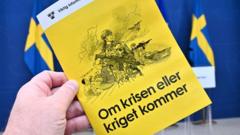
In a significant move to bolster public preparedness, millions of Swedes will begin receiving an updated pamphlet titled “If Crisis or War Comes” starting Monday. This revised version, released by the Swedish government, comes in response to a deteriorating security situation characterized by Russia’s ongoing military aggression. The new pamphlet doubles the content of its predecessor from six years ago.Finland has also stepped up its crisis response measures, recently publishing an online guide detailing how its citizens can prepare for potential incidents and threats. This move follows a long-standing tradition in Finland of maintaining a high level of defense readiness, a mindset rooted in its history of conflict with the Soviet Union during World War II. Unlike Sweden and Norway, Finland opted for a digital format to ensure easy updates, opting out of delivering printed copies due to the high costs involved.Meanwhile, Norway has circulated 2.2 million physical pamphlets advising citizens on how to be self-sufficient during emergencies, including military conflicts and natural disasters. The Norwegian guide highlights the necessity of stocking long-life food items, such as canned goods and energy bars, alongside medications like iodine tablets to deal with nuclear threats. Norway’s earlier pamphlet, published in 2018, has been revamped to address new risks posed by climate change and severe weather patterns.Historically, the idea of preparing for civil emergencies isn’t new for Sweden. The original guide was created during World War II, and the updated pamphlets carry an urgent message: “If Sweden is attacked by another country, we will never give up.” Swedish Civil Defence Minister Carl-Oskar Bohlin emphasized the need for this information as global tensions rise, pointing out that Sweden must now reflect the current geopolitical climate.As Finland and Sweden transition from neutral stances to becoming NATO allies, the importance of public awareness and preparedness remains paramount. As citizens digest this information, personal feelings of anxiety and attentiveness to potential war scenarios are rising. While some, like 67-year-old economist Ingemar Gustafsson, view these pamphlets with a calm demeanor, others, especially those with ties to regions facing immediate threats, experience heightened concern.The guides, aimed at ensuring communities can withstand crises, provide citizens with practical advice on logistics, such as storing enough food and water for 72 hours in the event of a disaster or attack. Nonetheless, experts like Ilmari Kaihko question the practicality of implementing such measures for families living in limited space and resources.Ultimately, as Nordic nations emphasize preparedness for both military conflict and natural disasters, citizens are encouraged to take proactive steps, reflecting an urgent call for resilience in an unpredictable world.