
In brief
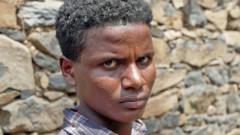
The aftermath of Ethiopia's civil war continues to haunt communities in Tigray, particularly for young Berhane Haile, who lost his leg to an explosion from remnants of warfare. Despite challenges, Berhane shows remarkable resilience as he pursues education and new dreams in the face of hardship.
Berhane Haile was just 16 years old when a tragic event changed his life forever while he was walking home from school through the rugged terrain of Tigray, Ethiopia. Earlier this year, while attempting to guide family livestock away from a neighbor's land, Berhane unknowingly stepped on explosive ordnance. The powerful blast severely injured his left leg, requiring amputation, and left parts of his hands shattered.Two hours of agonizing transport by his father and other villagers to the nearest hospital in Adwa was no easy feat. The struggle is emblematic of the ongoing danger posed by unexploded munitions littering the area, remnants of the civil war that ended in November 2022. This conflict resulted in approximately half a million casualties and left countless individuals dependent on humanitarian aid.Even as peace attempts took shape, casualties from leftover ordnance persist. The Red Cross reports nearly 400 victims in 2023 alone, with 80% being children, a number believed to be just the tip of the iceberg. Residents resort to painting stones red as warnings around known dangerous sites, while officials plead for more resources to conduct thorough sweepings for these deadly remnants.Forgotten by war and yet reminders of its destruction prevail in Tigray, where the landscape is marred by the ghosts of conflict. While local officials have begun removing some components of unexploded weapons, the process is fraught with risk, necessitating expert intervention that remains difficult to implement.Despite his challenges, Berhane is striving to adapt to his new reality. Propelled by a determination to continue his education, he recently moved to Adwa with his sister after receiving a prosthetic leg and the assistance of humanitarian organizations. The transition is far from seamless, as Berhane faces longer treks to school and relies on classmates for note-taking due to his hand injuries.The echoes of conflict have also deeply affected Berhane's family; he lost an older brother during the fighting, and his sister is still recovering from injuries. While the war’s end has brought some normalcy back to the region, the harsh repercussions linger, affecting livelihoods and opportunities for restoration.Nevertheless, Berhane remains focused on building a new future. His dreams of farming have been shattered, but he aspires to become a civil servant to better support his family and community. As he continues to navigate the complexities of post-war life, Berhane's tenacity mirrors the indomitable spirit of many young individuals in Tigray, striving for a brighter and sustainable future.



