In brief
New U.S. policies aim to curtail Cuba's global medical missions, an action met with mixed reactions from Cuban doctors and human rights advocates. Ramona Matos, a former Cuban doctor, articulates her support for the measures and highlights the ethical concerns surrounding these medical missions, which have been perceived as exploitative.
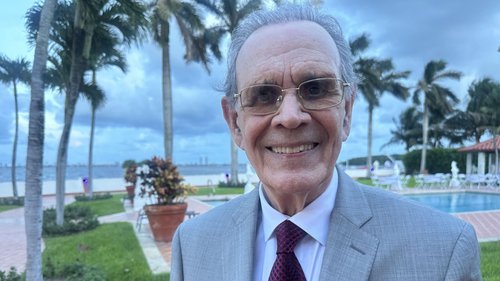
The Trump administration is intensifying its stance on Cuba’s extensive medical missions, a key aspect of the Caribbean nation's foreign policy that has long stirred controversy among opposition groups, especially Cuban émigrés. With the objective of impacting the revenue generated from these programs, the administration has begun revoking U.S. visas of foreign officials in countries that compensate the Cuban government for the deployment of its doctors and nurses.For decades, Cuba has dispatched thousands of healthcare professionals to various countries, including Honduras, Bolivia, and Brazil, in a bid to promote diplomacy through healthcare. However, critics like Ramona Matos, a former Cuban doctor turned factory worker in South Florida, have branded these initiatives as a form of exploitation, arguing that the Cuban government benefits from the income while the medical workers are underpaid and poorly treated. Matos, now a U.S. citizen, expressed her alignment with Trump’s hardline policies, emphasizing the need to dismantle what she deems a humanitarian facade used by Havana.Matos’ sentiments reflect a growing discontent among the Cuban diaspora regarding the utilization of medical professionals as tools for the government’s foreign policy. This substantial workforce operates in some of the most impoverished regions, where they provide essential healthcare services, yet they receive only a fraction of what the recipient countries pay for their services.As the Trump administration continues to take robust measures against the Cuban government, it remains to be seen how these efforts will reshape the landscape of Cuba’s foreign medical missions, which many perceive as both a diplomatic benefit and a human rights concern.