In brief
With the impending influx of visitors for major global events, Los Angeles is aiming to enhance its transportation infrastructure by investing in bike lanes, but resistance persists as the city grapples with its entrenched car culture.
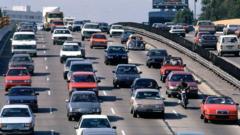
Los Angeles has long been synonymous with car culture, but the city's transportation landscape may be on the brink of a significant transformation. As anticipation builds for the 2026 World Cup and the 2028 Olympic Games, local leaders are pushing for an overhaul of the city’s transit system, with a strong focus on expanding bike lanes.Despite its ideal cycling weather, only about 1% of Angelenos use bikes as their primary mode of transportation. However, advocates like Damian Kevitt, executive director of Streets Are For Everyone, believe that a network of safe and connected bike lanes could dramatically increase this number. "LA is meant for outdoor activities, yet we're chained to our cars out of habit,” said Kevitt, who himself is a cycling advocate after suffering life-altering injuries from a car collision in 2013.Following the launch of the "Twenty-eight by '28" plan in 2017, the city has begun to implement new bike lanes in hopes of enhancing mobility as major international sports events approach. This initiative received a boost after voters supported a measure in 2024 that would mandate the creation of more bike-friendly infrastructures.However, not all residents are on board with this ambitious plan. Some, like Darin Drabing, president of Forest Lawn Cemetery, argue that bike lanes exacerbate car traffic, revealing the deep-rooted resistance to changing the norm. “In every instance I’ve seen, it has only increased congestion and frustration for drivers,” he stated.Nonetheless, cities that have successfully adopted bike lanes, such as Paris and London, serve as a model for Los Angeles. While there are examples of pushback, many cyclists are hopeful. Former cyclist Mimi Holt, who overcame her fear of city riding, expresses the desire for a well-connected bike network and believes it could lead her to ditch her car entirely.Los Angeles Mayor Karen Bass has voiced her commitment to a "transit-first" approach, aiming for a lasting transportation shift that transcends the Olympic events. Despite securing $900 million from the Biden administration for transportation enhancements, advocates worry that progress may be too slow to meet the upcoming deadlines, with only five out of 28 planned projects completed to date.As the city prepares for critical events in the coming years, the ongoing debate about bike lanes in Los Angeles symbolizes a larger struggle for a more sustainable and accessible urban future. While some residents cling to traditional car culture, the potential for change remains, nurtured by a community of advocates and city leaders envisioning a reimagined Los Angeles.