In brief
As tensions rise in Gaza and surrounding regions, the humanitarian crisis deepens, leading to loss of life and desperate measures for survival.
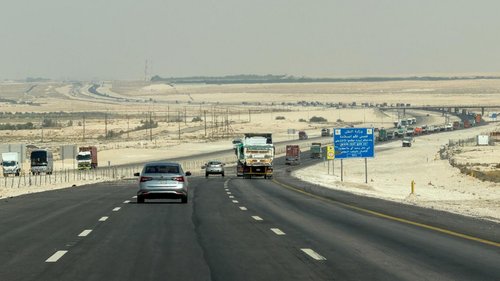
As the ongoing conflicts in the Middle East escalate, a poignant narrative of suffering and resilience is rapidly unfolding. The despairing situation in Gaza is exacerbated by a recent U.S. veto of a U.N. resolution calling for a cease-fire, leaving aid distribution efforts critically hindered amid heavy airstrikes. Witnesses recount harrowing tales of violence near aid centers, as civilians rush to secure essential supplies after two long months of a rigorous Israeli blockade.The struggle for survival has seen heartbreaking scenes, such as large crowds storming U.N. warehouses, desperately seeking necessities while grappling with the aftermath of intensified attacks that have claimed dozens of lives in northern Gaza alone. The dire conditions have led to alarming rates of malnutrition among children, highlighting the widening gap between the humanitarian needs of the populace and the political responses from global powers.Meanwhile, the repercussions of the conflict reverberate far beyond the Gaza Strip. Recent incidents include the shooting of Israeli diplomats in the West Bank and protests in Israel against government intensification of military actions. In a troubling series of developments, former President Trump weighed in on regional dynamics, labeling Syria's new leadership in a controversial light and suggesting the lifting of sanctions against the war-torn country.As fires rage near Jerusalem and reports emerge of sectarian violence in Syria, the Middle East remains on edge. The vivid imagery of a sandstorm grounding flights in Iraq, only adds to the atmospheric sense of crisis. With each passing day, the voices of brave civilians seeking refuge and safety grow louder, reminding the world of the urgent necessity for peace and humanitarian action in this troubled region.