
In brief
A recent BBC investigation highlights significant issues regarding Shell's oil clean-up efforts in Ogoniland, Nigeria. Despite assertions from Shell and the Nigerian government about progress, former insiders characterize the project as a fraudulent scam. With a civil trial on the horizon, community members argue that the ongoing pollution continues to threaten their health and livelihoods.
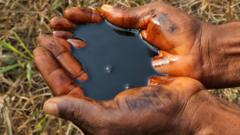
The BBC's investigative report reveals alarming allegations of neglect and corruption surrounding Shell's oil clean-up operations in Nigeria's Ogoniland. Since the project commenced eight years ago, both Shell and the Nigerian government have claimed satisfactory progress; however, evidence has surfaced showing repeated warnings of the myriad issues plaguing the initiative.One whistle-blower described the clean-up project, which was funded with $1 billion from various oil companies, as a "con" that has squandered resources while local communities remain entrenched in toxic conditions. The clean-up is being examined in an upcoming civil trial in London, where representatives of two Ogoniland communities contend that Shell should bear responsibility for pollution resulting from its operations between 1989 and 2020.Conditions in the affected areas remain dire; families in Ogoniland struggle for clean water and sustainable livelihoods due to the pollution. Numerous oil spills have rendered water sources contaminated, forcing residents to purchase clean water, a considerable expense given the local average daily wage of less than $8.Despite Shell's claims of cleaning up spills caused by theft or sabotage, an internal examination revealed that the clean-up agency responsible for remediation, Hyprep, has allegedly engaged in fraudulent practices, including awarding contracts to inexperienced firms and manipulating laboratory test results to indicate "clean" soil and water. UN reports have modelled the clean-up timeline to potentially last 30 years, with Hyprep's efforts facing criticism due to stagnation since its relaunch in December 2016.The public outcry underscores the helplessness felt by Ogoniland residents, as time progresses with little change in their situation. The repeated acknowledgment of “institutional challenges” from Shell representatives indicates a systemic failure to address the community's longstanding grievances effectively.As Shell prepares to divest its Nigerian operations, local inhabitants express concern over the future of their land and water, fearing that an incoming operator may perpetuate the same malpractices, without a clear understanding of accountability.The imprints of oil, a once sought-after resource, have led to despair and a misconception of prosperity in Ogoniland. Community members blame major oil companies like Shell for prioritizing profit over the lives and health of the locals amid ongoing destruction of their environment. The fight to reclaim their land may just be beginning, but residents remain resolute, demanding long-overdue accountability and sustainable solutions that could lead to healing their community.


