In brief
Amidst struggles in the traditional wine market, France is embracing a new trend: alcohol-free wine. Once considered sacrilegious, this innovative beverage is gaining traction among younger consumers and wine makers alike, fostering a cultural shift in the winemaking landscape.
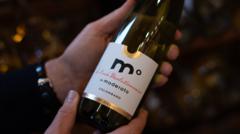
In the heart of Bordeaux, a revolution is brewing—not with the classic full-bodied reds or sparkling whites, but with a new wave of alcohol-free wines. Frédéric Brochet, a leading Bordeaux oenologist, attests to the previous failures of non-alcoholic wines, stating, "What we were making was frankly rubbish." However, technological advancements and a shifting consumer landscape have pushed winemakers to reconsider the possibilities of producing no-alcohol wines that can stand on their own.The establishment of Bordeaux's first wine shop dedicated solely to no-alcohol wines illustrates this shift. Alexandre Kettaneh, owner of Les Belles Grappes, noted how even traditional wine growers are inquiring about non-alcoholic options, signaling a newfound acceptance among industry stalwarts. This acceptance comes in the wake of significant market changes: declining domestic wine consumption, competition from non-wine beverages, and a health-conscious younger generation that prefers lighter options. The alcohol-free beverage sector is thriving, with statistics indicating that 10% of the French beer market is alcohol-free, and Spain leads with 25%. Winemakers have also discovered new methods for crafting alcohol-free wine that maintains the essence of traditional production. Utilizing low-temperature vacuum distillation and aroma-capturing techniques, producers are able to create beverages that can genuinely resemble the experience of drinking wine.Yet, the adaptation is not without its challenges. Coralie de Bouard of Clos De Bouard faced backlash from her family and other wine growers when she embraced the non-alcoholic wine market. She ultimately proved detractors wrong when a significant portion of her sales shifted towards her new alcohol-free offerings. "My father congratulates me now and says I am the locomotive in the wine train," she expressed.Industry champions of alcohol-free wines argue that they create opportunities for inclusivity, allowing those who avoid alcohol to partake in wine traditions. As Anne Kettaneh recalls, "We want to bring back the France of our youth—when everyone gathered around the dinner table to share wine." The aim is to make non-alcoholic options a staple of communal dining experiences.The evolution of wine is not a recent phenomenon; historical innovations have shaped the industry. Oenologist Brochet echoes this sentiment, emphasizing the importance of embracing change: "Things evolve. Once upon a time, the barrel was an innovation… now this is a new one which could help save the industry."As non-alcoholic wine gains momentum, France is on the precipice of redefining its storied winemaking traditions, blending heritage with modern health-conscious values.