
In brief
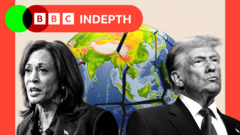
The US election outcome could significantly influence global peace and environmental progress. With contenders Kamala Harris and Donald Trump presenting starkly different foreign policies, experts weigh in on the implications for NATO, conflict resolution, and climate crisis efforts.
As the United States approaches its pivotal presidential election, the stakes are not just domestic but extend to global governance, security, and climate action. Political analysts and international observers highlight how the election’s dramatic outcome could reshape the standard of leadership and diplomacy across the globe.The election’s implications are encapsulated in the contrasting visions of Vice President Kamala Harris and former President Donald Trump. Harris promises to maintain the continuity of Biden's approach to global engagement, emphasizing America’s role as a leader against autocracy and in the wars affecting Ukraine and Gaza. Trump, on the other hand, suggests a withdrawal from extensive foreign commitments that may undermine the long-standing alliances like NATO—a prospect described as a "nightmare" by former NATO Deputy Secretary General Rose Gottemoeller.Military power remains a critical component of US global influence, with Washington spending significantly more on defense than any of its NATO allies. While Trump champions fiscal responsibility by demanding increased defense spending from European allies, Harris may push for continued military support in Ukraine despite potential congressional resistance. This pressure could develop into a complicated relationship with Ukraine, where US lawmakers are increasingly hesitant to approve extensive military aid amidst ongoing conflict.In the realm of global conflict resolution, the next president will face challenges reminiscent of tensions seen during the Cold War. Comfort Ero, president of the International Crisis Group, warns that the diminishing moral authority of the US is evident as global observers note discrepancies in America's responses to crises in Ukraine and Gaza. Harris pledges to support Ukraine, while Trump hints at a more favorable stance toward Israel that could complicate peace efforts.Both candidates present contrasting solutions regarding America's dealings with China, particularly on tariffs and Taiwan. A potential Trump presidency may lead to unpredictable confrontations, whereas Harris’s approach could offer a steadier diplomatic trajectory, albeit with rising tensions against Beijing. The urgency of climate change remains a crucial discussion point. Mary Robinson, a prominent climate leader, emphasizes how integral the election outcome is for global climate action. With Trump potentially retreating from climate agreements, and Harris still outlining her climate plans, the overall direction of US environmental policy is uncertain but critical.Furthermore, the humanitarian leadership of the US falls into question, as veterans of international diplomacy express concern over the direction of aid and conflict resolution. Martin Griffiths contends that a Harris victory could foster responsible leadership, whereas Trump’s isolationist tendencies might exacerbate global conflicts and humanitarian crises.In conclusion, the implications of this election reach far beyond US borders. The outcome will determine the balance of international cooperation, the strength of alliances, global humanitarian efforts, and critical responses to climate change, highlighting the necessity for American leadership in a world facing unprecedented challenges.

